Stoicism: How Should We Use the Power of Judgment?
TL;DR
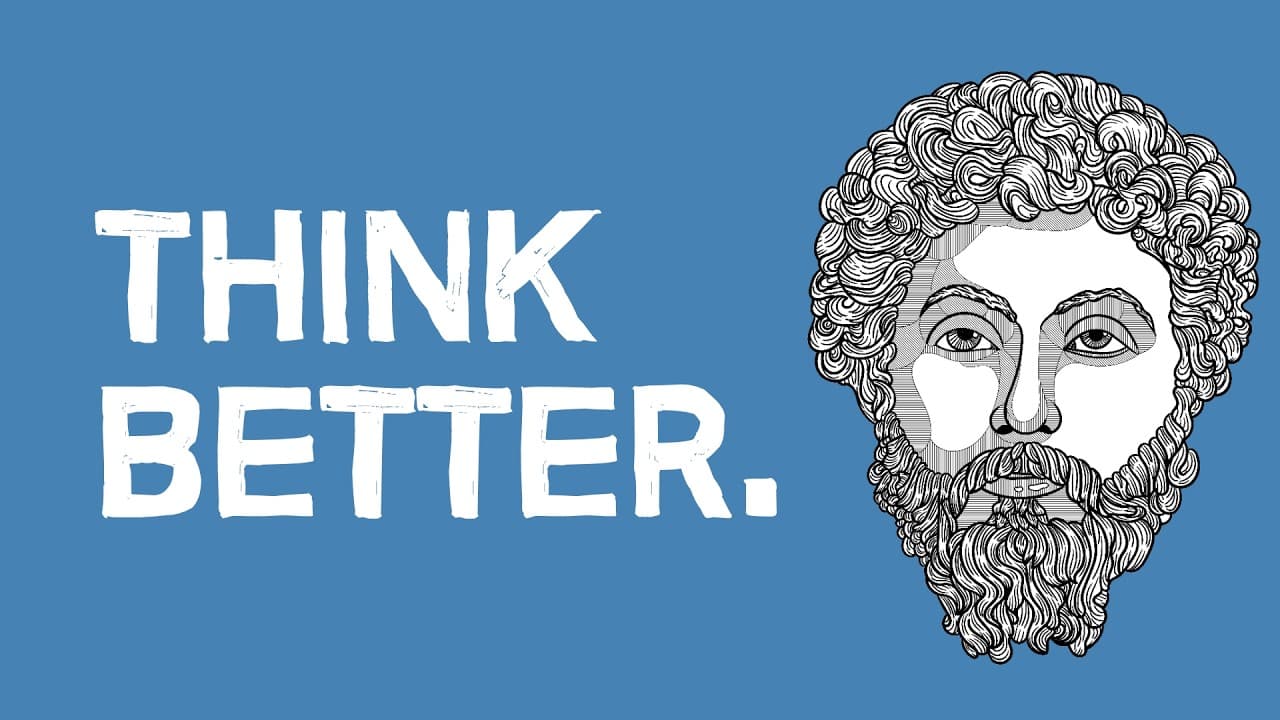
Stoicism teaches us to judge our own actions rather than external events and outcomes we cannot control. Judgment labels things good or bad, creating preferences, cravings, and aversions that can become sources of misery. Evaluating whether our actions align with nature helps us learn from mistakes and make better choices. Read on to see how Marcus Aurelius, amor fati, and the speaker’s cryptocurrency experience illustrate this approach.
Transcript
in earlier videos I talked about the things that are up to us and the things that are not up to us in this video I want to go a bit deeper into how we approach life by a powerful yet dangerous tool in our toolbox our judgment first of all Thank You Jacob and thank you Daniel for supporting me on patreon I appreciate it guys now let's talk about sto... Read More
Key Insights
- ⛔ The things that are up to us are limited to our own actions.
- ❓ Judgment categorizes reality and influences our perception of it.
- 🥺 Strong preferences and aversions generated by judgment can lead to misery.
- 🤯 Non-judgment and acceptance of the outcome can bring peace of mind.
- 👻 Judging ourselves allows for self-improvement and alignment with nature.
- 🎮 Stoicism encourages focusing on what we can control rather than external events.
- 🥺 Misperceptions and misjudgments can lead to blame and negative emotions.
Install to Summarize YouTube Videos and Get Transcripts
Explore YouTube Video Summarizer or Get YouTube Transcript Extractor
Questions & Answers
Q: How should we use the power of judgment according to Stoicism?
We should judge what is up to us, our own actions, rather than events and outcomes outside our control. Self-judgment lets us evaluate whether our actions align with nature, learn what we did wrong, and make better choices.
Q: What can we truly control in life according to Stoicism?
The things that are up to us are surprisingly few and do not extend beyond our own actions. Our ability to judge is one of those things, while outcomes such as becoming wealthy or poor are not fully under our control.
Q: Why can judgment be dangerous?
Judgment categorizes reality as good or bad, desirable or undesirable, and fun or boring. Strong preferences and dislikes can then produce cravings and aversions, both of which are potential sources of misery.
Q: How does judging money affect happiness?
Judging wealth as good and poverty as bad can create a craving for money and an aversion to poverty. This can lead to greed, fear, worry, and misery when wealth does not arrive or poverty does.
Q: What did the speaker learn from cryptocurrencies?
The speaker became hung up on cryptocurrencies two years earlier, with their mood rising when the market rose and falling when it declined. Recognizing this vicious cycle and making an effort to detach from it helped break that dependence on the market’s outcome.
Q: What did Marcus Aurelius say about judging things outside our control?
Marcus Aurelius argued that defining uncontrolled things as good or bad leads people to blame the gods and hate those they hold responsible when events go badly. He proposed limiting good and bad to our own actions instead.
Q: How can non-judgment restore peace of mind?
The speaker reminds himself that he does not control the outcome of whatever he pursues. This practice of accepting the outcome, identified as amor fati, has helped him regain peace of mind during periods of worry.
Q: Why do Stoics practice self-judgment?
Stoics aim to live virtuously because virtue leads to happiness. By judging whether their own actions align with nature, they can identify mistakes and choose better actions in the future.
Summary & Key Takeaways
-
Our control over the world is limited to our own actions.
-
Judgment categorizes the universe and influences our perception of reality.
-
Strong preferences and aversions lead to cravings and misery.
Read in Other Languages (beta)
Share This Summary 📚
Summarize YouTube Videos and Get Video Transcripts with 1-Click
Try YouTube Summary with ChatGPT & Claude or YouTube Transcript Generator
Explore More Summaries from Einzelgänger 📚

Summarize YouTube Videos and Get Video Transcripts with 1-Click
Try YouTube Summary with ChatGPT & Claude or YouTube Transcript Generator