Why Did Hollywood Protect Its Most Abusive Stars?
TL;DR
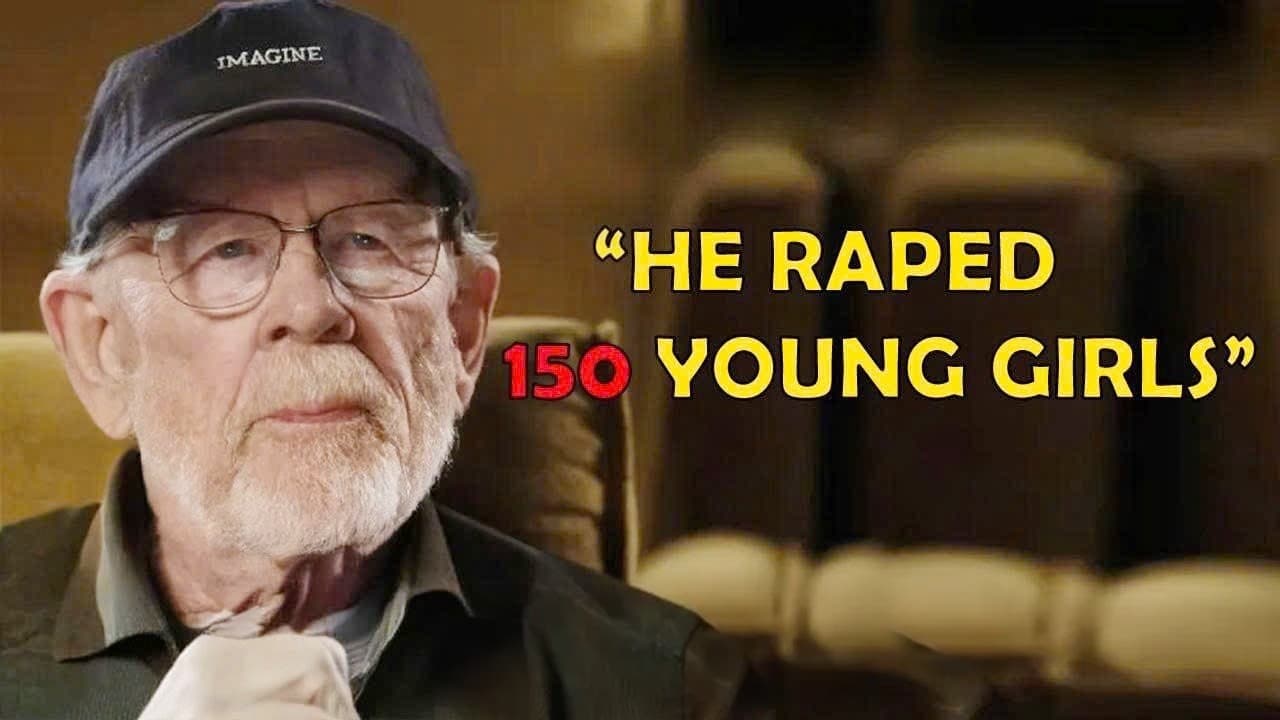
Hollywood repeatedly protected powerful stars by using legal resources, institutional silence, and public mythology to separate celebrated performances from alleged or documented misconduct. The account presents Errol Flynn, Kirk Douglas, Faye Dunaway, John Wayne, and Roman Polanski as examples of how fame, control, prejudice, and artistic prestige could shield harmful behavior or preserve a public legacy.
Transcript
Ron Howard has always been the calm center of chaos, a director who believes in dignity, restraint, and kindness. But when he was asked about the darker side of the business that raised him, his expression changed. You wouldn't believe what those legends did when the cameras stopped, he once said quietly. To him, the golden age of Hollywood wasn't ... Read More
Key Insights
- Hollywood's protection system is portrayed as a combination of powerful studios, elite lawyers, devoted fans, and institutional silence. The narrative argues that these forces preserved valuable public images even when serious accusations or reports of cruelty threatened the careers behind them.
- Errol Flynn was acquitted after two teenage girls accused him of statutory rape in 1942. The account says he mocked the charges, received support from Warner Brothers and elite lawyers, and continued destructive behavior involving addiction, arrogance, and the mistreatment of women.
- Kirk Douglas is depicted as an intensely driven performer whose anger frightened and humiliated people on film sets. The transcript also presents Lana Wood's claim that he raped Natalie Wood when she was 16, while emphasizing that Douglas was never charged.
- Faye Dunaway's reputation is described as the result of repeated control, humiliation, tantrums, and alleged physical aggression toward colleagues. Her declining career is presented as evidence that sustained cruelty can eventually isolate even a highly acclaimed and formerly powerful performer.
- John Wayne's public heroism contrasted with reported intimidation and openly prejudiced statements. The account cites his treatment of workers and performers, as well as his 1971 Playboy interview, to argue that his image of American strength concealed bullying and intolerance.
- Roman Polanski pleaded guilty to unlawful sex with a minor after the 1977 sexual assault of 13-year-old Samantha Gaye. He fled the United States before sentencing, while parts of Hollywood continued defending him by separating his acclaimed filmmaking from his conduct.
- Artistic talent is presented as neither proof of good character nor a defense against accountability. Each profile contrasts admired screen work with alleged or documented behavior, challenging the idea that professional brilliance should outweigh harm inflicted away from the camera.
- Power without empathy is portrayed as corrosive to both workplaces and personal legacies. The account connects Flynn's charm, Douglas's rage, Dunaway's control, Wayne's intimidation, and Polanski's prestige to a broader culture that repeatedly placed famous people above those they harmed.
Install to Summarize YouTube Videos and Get Transcripts
Explore YouTube Video Summarizer or Get YouTube Transcript Extractor
Questions & Answers
Q: How did Hollywood protect powerful stars from accountability?
Hollywood protected powerful stars through studio influence, expensive legal representation, institutional silence, and carefully maintained public images. In Errol Flynn's case, Warner Brothers hired elite lawyers, fans gathered outside the courthouse, and the transcript alleges that executives secretly paid witnesses to disappear. The broader argument is that profitable fame encouraged the industry to excuse or conceal damaging behavior.
Q: What accusations were made against Errol Flynn in 1942?
Two teenage girls, Peggy Satterly and Betty Hansen, accused Errol Flynn of statutory rape in 1942. The resulting trial attracted national newspaper coverage and divided the public. Flynn was acquitted after receiving strong legal and studio support. The account says that his conduct later worsened and that private letters revealed in 1978 contained boasts about conquests and mockery of frightened women.
Q: Why is Kirk Douglas portrayed as an abusive Hollywood figure?
Kirk Douglas is portrayed as a powerful actor whose intense drive became anger, domination, and fear on film sets. Crew members reportedly found him impossible to please, and actress Deborah Paget said he wanted to dominate everyone in a scene. The account also repeats Lana Wood's allegation involving Natalie Wood, while clearly noting that Douglas never faced charges.
Q: How did Faye Dunaway's conduct affect her career?
Faye Dunaway's reported tantrums, demands, humiliations, and aggressive behavior gradually made colleagues unwilling to work with her. The account describes objects being thrown, workers being screamed at, assistants being demeaned, and production being disrupted. By the 2000s, Hollywood had largely stopped calling, and directors reportedly considered her unmanageable, turning professional isolation into the consequence of her reputation.
Q: What did John Wayne say in his 1971 Playboy interview?
John Wayne reportedly said that Native Americans were selfishly keeping land, that Black people were not yet responsible enough for self-government, and that films needed men rather than whiners. The account treats these statements as evidence of prejudice that contradicted his heroic public image. It also connects those views to reports that he belittled women and marginalized performers.
Q: Why is Roman Polanski's case central to the argument?
Roman Polanski's case demonstrates the account's claim that artistic brilliance can coexist with serious wrongdoing. In March 1977, he was arrested for sexually assaulting 13-year-old Samantha Gaye after a photo shoot at Jack Nicholson's home. He pleaded guilty to unlawful sex with a minor, fled the United States before sentencing, and continued receiving support from some industry figures.
Q: What common pattern connects the five people discussed?
The five profiles share a contrast between celebrated public identities and damaging conduct described behind the scenes. Flynn represents predatory charm, Douglas unchecked rage, Dunaway humiliating control, Wayne intimidation and prejudice, and Polanski criminal sexual misconduct. Together, their stories support the argument that Hollywood repeatedly valued profitable talent and cultural mythology above empathy, safety, and accountability.
Q: What lesson does the account draw about fame and talent?
The account argues that fame and talent should never be treated as evidence of moral character or as excuses for harmful behavior. Public charm, acclaimed performances, and influential films can obscure cruelty rather than cancel it. Lasting professional power also depends on institutions and admirers who remain silent, defend the famous person, or separate artistic achievement from personal accountability.
Summary & Key Takeaways
-
The account argues that Hollywood's studio system allowed fame to excuse cruelty and exploitation. Errol Flynn's charm survived a widely publicized 1942 statutory rape trial, while allegations surrounding Kirk Douglas remained buried. Their stories are presented as examples of power shielding prominent actors from accountability.
-
Faye Dunaway and John Wayne represent harmful conduct expressed through workplace control and intimidation. Dunaway allegedly humiliated colleagues and made extreme demands, while Wayne reportedly bullied workers and publicly expressed prejudiced views. The narrative argues that talent and iconic status cannot compensate for an absence of empathy.
-
Roman Polanski's case demonstrates the conflict between artistic acclaim and personal accountability. After pleading guilty to unlawful sex with a minor, he fled the United States before sentencing. The account condemns defenders who emphasized his art while overlooking the harm suffered by the 13-year-old victim.
Read in Other Languages (beta)
Share This Summary 📚
Summarize YouTube Videos and Get Video Transcripts with 1-Click
Try YouTube Summary with ChatGPT & Claude or YouTube Transcript Generator
Explore More Summaries from The Prime Film Retro 📚


Summarize YouTube Videos and Get Video Transcripts with 1-Click
Try YouTube Summary with ChatGPT & Claude or YouTube Transcript Generator