How to Master Your Emotions and Build Resilience?
TL;DR
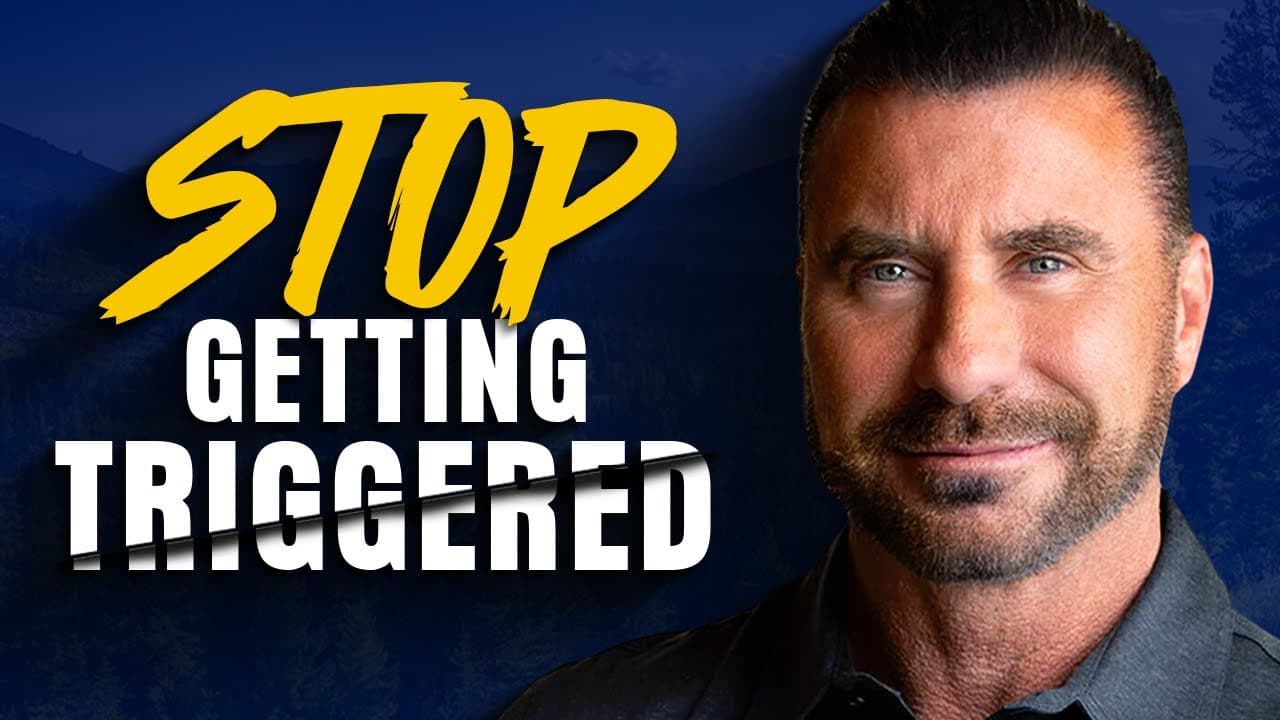
To master your emotions and build resilience, focus on emotional control and self-awareness. Embrace all feelings as essential teachers and develop inner strength by responding gracefully to external challenges. By recognizing your emotional patterns and extending kindness, you cultivate a more resilient mindset, enabling personal growth and improved well-being.
Transcript
so hey guys listen we're all trying to get more productive and the question is how do you find a way to get an edge I'm a big believer that if you're getting mentoring or you're in an environment that causes growth a growth-based environment that you're much more likely to grow and you're going to grow faster and that's why I love growth day growth... Read More
Key Insights
- Rod Carew emphasizes the importance of maintaining emotional control in high-pressure situations, using mental strength as a key tool for success.
- Dr. Susan David highlights that emotions are essential teachers, urging us to embrace even uncomfortable feelings for personal growth.
- JP Sears discusses the dangers of emotional numbness and advocates for vulnerability as a path to a more authentic and joyful life.
- Thais Gibson explains how core beliefs influence emotions and actions, offering strategies to reprogram limiting beliefs.
- The episode challenges the myth of 'positive thinking,' suggesting that facing difficult emotions can lead to deeper meaning and strength.
- Rod Carew's approach to overcoming slumps by focusing on small adjustments and mental resilience can be applied to both business and life.
- Dr. Susan David's concept of emotions as data, not directives, allows for healthier responses to life's challenges.
- The conversation underscores the importance of self-compassion as a foundation for taking risks and exploring personal growth.
Install to Summarize YouTube Videos and Get Transcripts
Explore YouTube Video Summarizer or Get YouTube Transcript Extractor
Questions & Answers
Q: How did Rod Carew maintain emotional control during his baseball career?
Rod Carew maintained emotional control by developing what he calls 'the sixth tool,' which is mastering his mindset. He focused on staying positive and making small adjustments, such as bunting to get on base, to overcome slumps. This mental strength allowed him to perform under pressure and view challenges as opportunities for growth.
Q: What does Dr. Susan David say about the role of emotions?
Dr. Susan David explains that emotions, even the difficult ones, are essential teachers that signpost what we value most. She challenges the myth of 'positive thinking,' arguing that sitting with and understanding our emotions can lead to greater personal insight and resilience. Emotions are data, not directives, and should be embraced as part of a meaningful life.
Q: How does JP Sears view emotional numbness?
JP Sears views emotional numbness as a dangerous state that disconnects us from our true selves. He believes that masking feelings with humor or avoidance keeps us from experiencing the full spectrum of life. By embracing vulnerability, we can reclaim emotional authenticity, leading to a more joyful and purposeful life.
Q: What strategies does Thais Gibson offer for emotional mastery?
Thais Gibson offers strategies that focus on identifying and reprogramming core beliefs that drive our emotions and actions. She explains that our belief patterns create thought patterns, which then influence our emotional states and behaviors. By changing these core beliefs, we can transform our emotional and behavioral patterns, leading to healthier responses to life's challenges.
Q: Why is self-compassion important according to Dr. Susan David?
Dr. Susan David emphasizes that self-compassion is crucial because it provides a secure base from which we can explore and take risks. When we have our own back, we are more likely to pursue opportunities and learn from failures. Self-compassion is not about being weak or lazy; it's about creating a supportive environment for personal growth and resilience.
Q: What does the episode say about the myth of 'positive thinking'?
The episode challenges the myth of 'positive thinking,' suggesting that it can be detrimental to our well-being. Instead of pushing aside difficult emotions, we should embrace them as they provide valuable insights into what we care about. Facing these emotions head-on can lead to greater personal growth and a more authentic experience of life.
Q: How can emotional agility improve personal and professional life?
Emotional agility, as described by Dr. Susan David, involves being healthy with our thoughts and emotions, allowing us to navigate life's challenges more effectively. By being curious, compassionate, and courageous with our emotions, we can make better decisions, improve relationships, and achieve greater success both personally and professionally.
Q: What is the main takeaway from the episode?
The main takeaway is that true strength and resilience come from mastering our emotions, not avoiding them. By understanding and embracing all our emotions, we can navigate life's challenges with grace and build a more meaningful and fulfilling life. The experts provide actionable strategies to help listeners achieve emotional mastery and personal growth.
Summary & Key Takeaways
-
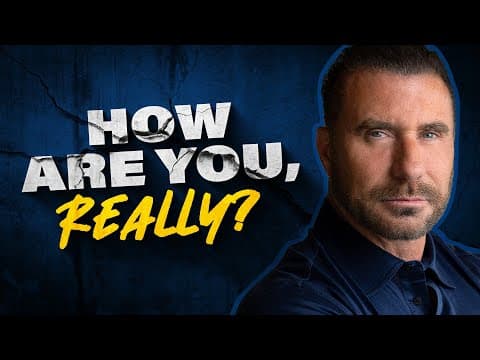
This episode explores the mastery of emotions and resilience, featuring insights from Rod Carew, Dr. Susan David, JP Sears, and Thais Gibson. Each expert provides transformative strategies to help listeners take control of their emotional lives.
-
Rod Carew shares how he maintained emotional stability during his baseball career, emphasizing the importance of mental strength and small adjustments to overcome slumps.
-
Dr. Susan David, JP Sears, and Thais Gibson discuss the significance of embracing all emotions, reclaiming authenticity, and rewiring limiting beliefs to transform emotional and behavioral patterns.
Read in Other Languages (beta)
Share This Summary 📚
Summarize YouTube Videos and Get Video Transcripts with 1-Click
Try YouTube Summary with ChatGPT & Claude or YouTube Transcript Generator
Explore More Summaries from Ed Mylett 📚

Summarize YouTube Videos and Get Video Transcripts with 1-Click
Try YouTube Summary with ChatGPT & Claude or YouTube Transcript Generator