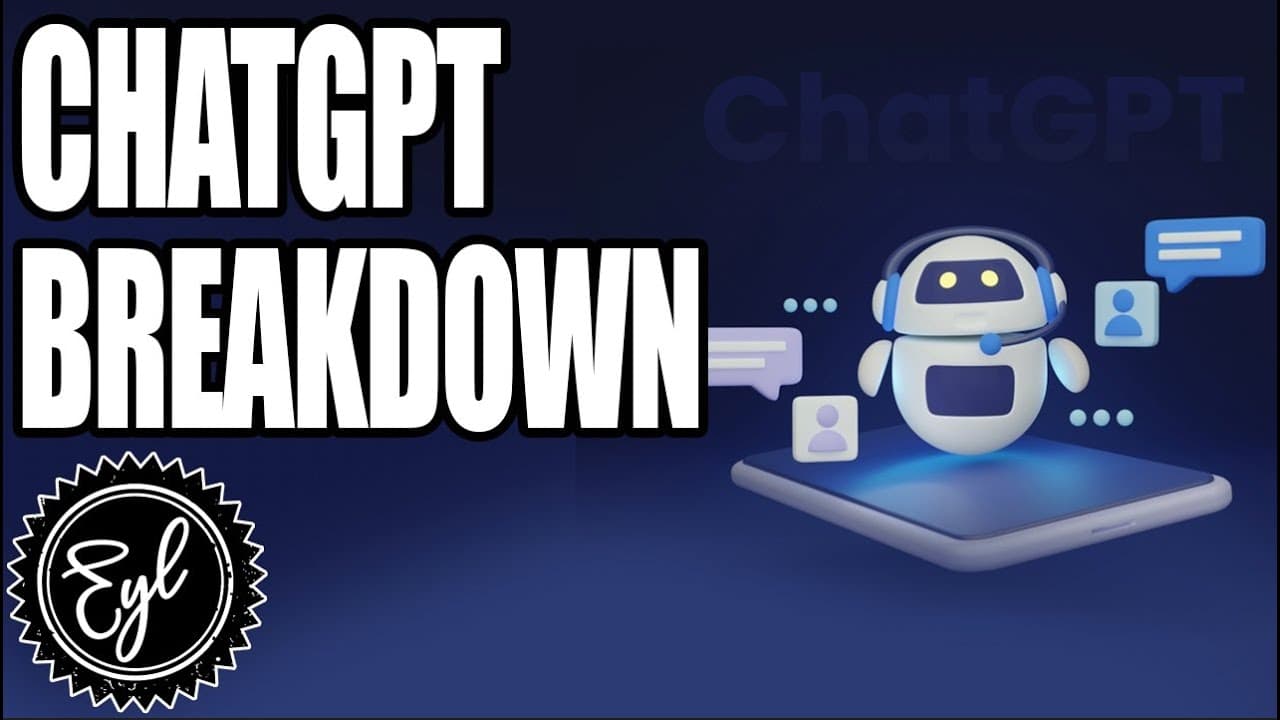
ChatGPT Explained: What Are the Copyright and Deepfake Risks of AI?
TL;DR
AI raises serious copyright and deepfake concerns because it can reproduce a person’s writing style, voice, inflections, and visual appearance. One speaker describes a company offering voice cloning for about $10,000, while the discussion warns that realistic fabrications could make people appear to say things they never said. Read on to understand the risks, possible uses, and growing need for verification.
Transcript
the danger here's the danger though too copyright laws that's why I want to go oh dangerous this is dangerous because I'm thinking and I sent this article yesterday to shoddy right New York City did ban it but Bill Gates said this is the most important technology since 1980. so like think about all the things that have come to the world since then ... Read More
Key Insights
- ©️ Deepfake technology is regarded by Bill Gates as one of the most important advancements since 1980, but its copyright implications pose challenges.
- 🤨 Companies can clone voices and create deepfake audio, raising concerns about misrepresentation and manipulation.
- ❓ Deepfakes have the potential to create false evidence, spread misinformation, and cause reputational damage.
- ©️ Copyright infringement is a significant concern with deepfakes, as they often rely on using someone else's likeness or voice without permission.
- 🥺 Voice manipulation through deepfake technology can lead to individuals being held responsible for statements they never made.
- 🫥 Deepfake technology has the potential to blur the lines between reality and fiction, making it difficult to determine authenticity.
- 😀 The court of public opinion often disregards truth and can result in individuals being canceled or facing backlash based on manipulated deepfake content.
Install to Summarize YouTube Videos and Get Transcripts
Explore YouTube Video Summarizer or Get YouTube Transcript Extractor
Questions & Answers
Q: What are the main dangers of deepfake technology?
Deepfakes can make fabricated audio or video look and sound so realistic that people cannot easily identify it as fake. The speakers warn that this could falsely portray someone saying something, damage reputations, trigger public backlash, and create potential liability.
Q: What copyright concerns does AI create?
The discussion describes copyright as a challenging part of AI because systems can pull information and reproduce content in another person’s format. Similar concerns arise when a company clones someone’s voice or visual likeness for new material.
Q: How can AI clone a person’s voice?
A speaker says a company could teach AI to speak like him, including his inflections, vocal rises, and vocal falls. Another person could record an audiobook, and the company could then change that recording to sound like the speaker’s voice.
Q: How much did the described voice-cloning service cost?
The speaker recalls that the company quoted a price of about $10,000. He considered the service for producing audiobooks in his voice from recordings made by someone else.
Q: Why did the speaker find voice cloning appealing?
He was intrigued by the possibility of creating audiobooks in his voice without personally recording every passage. He also connected a computer’s ability to keep speaking like him with a form of immortality.
Q: Why are realistic deepfake videos difficult to verify?
The speakers describe deepfakes as becoming so realistic that viewers may be unable to distinguish a real person from a fabricated version. A deepfake can combine someone’s visual appearance and voice, creating the impression that the person genuinely delivered the content.
Q: How could deepfakes harm someone who never made the depicted statement?
A fabricated clip could make a person appear to say something offensive or damaging and cause others to demand cancellation or hold that person responsible. The discussion emphasizes that the court of public opinion may react without caring whether the content is true or giving the person an opportunity to explain.
Q: What advice does the discussion give creators using AI?
The speaker supports using AI for books because he believes the information remains the information regardless of whether AI helped write it. He advises creators to stop operating from a lack mentality, present content in their own way, keep publishing until they find their audience, and then focus on that audience.
Summary & Key Takeaways
-
Bill Gates believes deepfake technology is the most important since 1980, but copyright challenges arise from using it.
-
Companies can clone voices and create deepfake audio that sounds like someone else, raising concerns about misrepresentation.
-
Deepfake videos and audios can lead to false information, potential liability issues, and harm to reputations.
Read in Other Languages (beta)
Share This Summary 📚
Summarize YouTube Videos and Get Video Transcripts with 1-Click
Try YouTube Summary with ChatGPT & Claude or YouTube Transcript Generator
Explore More Summaries from Earn Your Leisure 📚

Summarize YouTube Videos and Get Video Transcripts with 1-Click
Try YouTube Summary with ChatGPT & Claude or YouTube Transcript Generator