Inflation in the U.S. and What the Fed Rate Hike Means for You
TL;DR
Inflation raises everyday costs, while Federal Reserve rate hikes make borrowing more expensive to reduce spending and demand. The transcript notes that mortgage rates moved from 2.75 percent to 5.25, potentially discouraging home purchases and slowing related business activity. Inflation may also benefit homeowners when property values and incomes rise while an existing mortgage balance stays unchanged; read on for the specific effects on households, businesses, and borrowers.
Transcript
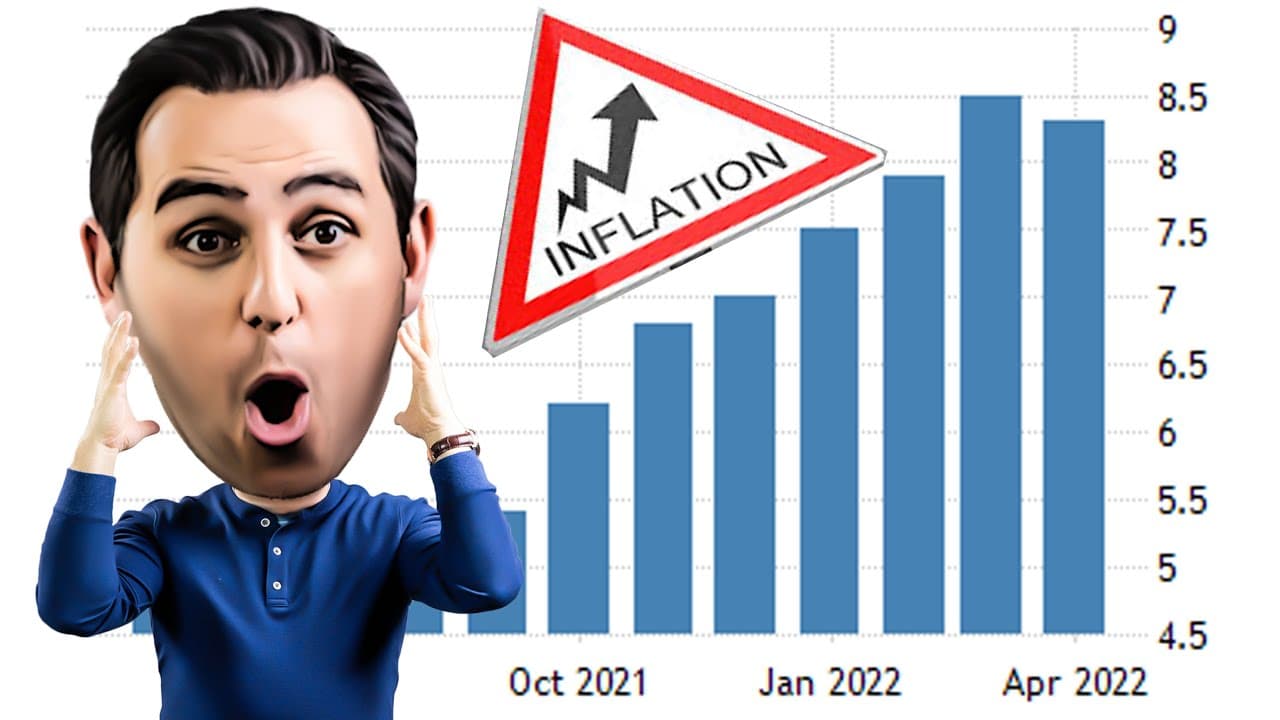
inflation is a big topic in the economy right now it's affecting everyday people transportation food oil gas all these prices are skyrocketing inflation last year has been over eight percent by many metrics the government's version of it is over six percent still high inflation isn't always bad so stay tuned this video to understand the positives a... Read More
Key Insights
- ❓ Inflation is currently a significant topic affecting everyday expenses, transportation, and energy prices.
- ☠️ The Federal Reserve's role in controlling inflation involves adjusting interest rates.
- 🥺 Higher inflation can lead to reduced purchasing power and economic slowdown.
- 👪 Inflation can have positive effects on home values and incomes over the long term.
- 🫒 It is important to save properly and live within means to navigate periods of inflation.
- ❓ Historically, inflation averages around 3.25% per year.
- ☠️ Inflation rates can vary, and temporary periods of high inflation may occur.
Install to Summarize YouTube Videos and Get Transcripts
Explore YouTube Video Summarizer or Get YouTube Transcript Extractor
Questions & Answers
Q: What does a Federal Reserve rate hike mean for consumers?
A Federal Reserve rate hike can make mortgages, car financing, and credit cards more expensive. As borrowing costs rise, some consumers delay purchases, reducing spending and demand throughout the economy.
Q: How does the Federal Reserve fight inflation by raising interest rates?
Higher rates discourage people and businesses from borrowing and spending. The resulting decline in demand slows activity across businesses such as real estate agencies, contractors, and car dealerships, helping control price increases.
Q: How does inflation affect everyday expenses?
Inflation raises the cost of transportation, food, oil, and gas. The transcript describes these rising expenses as a real burden for both households and businesses.
Q: How did higher fuel costs affect the Uber driver's business?
The Uber driver said filling his Escalade used to cost $200 a day, making it difficult to earn enough money. After switching to a Tesla, he said his daily cost was $13.
Q: What happened to mortgage rates in the example?
The transcript says the rate on a 30-year fixed mortgage moved from 2.75 percent one year earlier to 5.25. At the higher rate, prospective buyers may no longer afford the homes they had considered and may decide to stay put.
Q: How can rate hikes affect jobs and local businesses?
When higher borrowing costs stop someone from buying a home, the realtor and renovation contractor may earn less. When someone postpones a car purchase, the dealership, porters, and salespeople may also earn less, creating a wider slowdown.
Q: Can inflation benefit homeowners?
Yes, the transcript says nationwide home prices rose 21 percent in one year, while some markets rose 15 percent and others 30 percent. A homeowner's mortgage balance does not increase simply because inflation rises, so a more valuable home can improve the owner's position.
Q: How can inflation make an existing mortgage easier to afford over time?
The transcript explains that income may rise with inflation over a long period, though not necessarily immediately. Meanwhile, the mortgage balance and the stated monthly payment remain the same, so that payment can consume less of a higher income.
Summary & Key Takeaways
-
Inflation is causing the prices of everyday items such as transportation, food, oil, and gas to skyrocket.
-
Higher costs due to inflation can impact businesses and individuals, leading to changes in spending and financial decisions.
-
The Federal Reserve plays a crucial role in controlling inflation by adjusting interest rates, which affects borrowing and spending.
Read in Other Languages (beta)
Share This Summary 📚
Summarize YouTube Videos and Get Video Transcripts with 1-Click
Try YouTube Summary with ChatGPT & Claude or YouTube Transcript Generator