Huberman on the Emerging Science Around Psychedelics
TL;DR
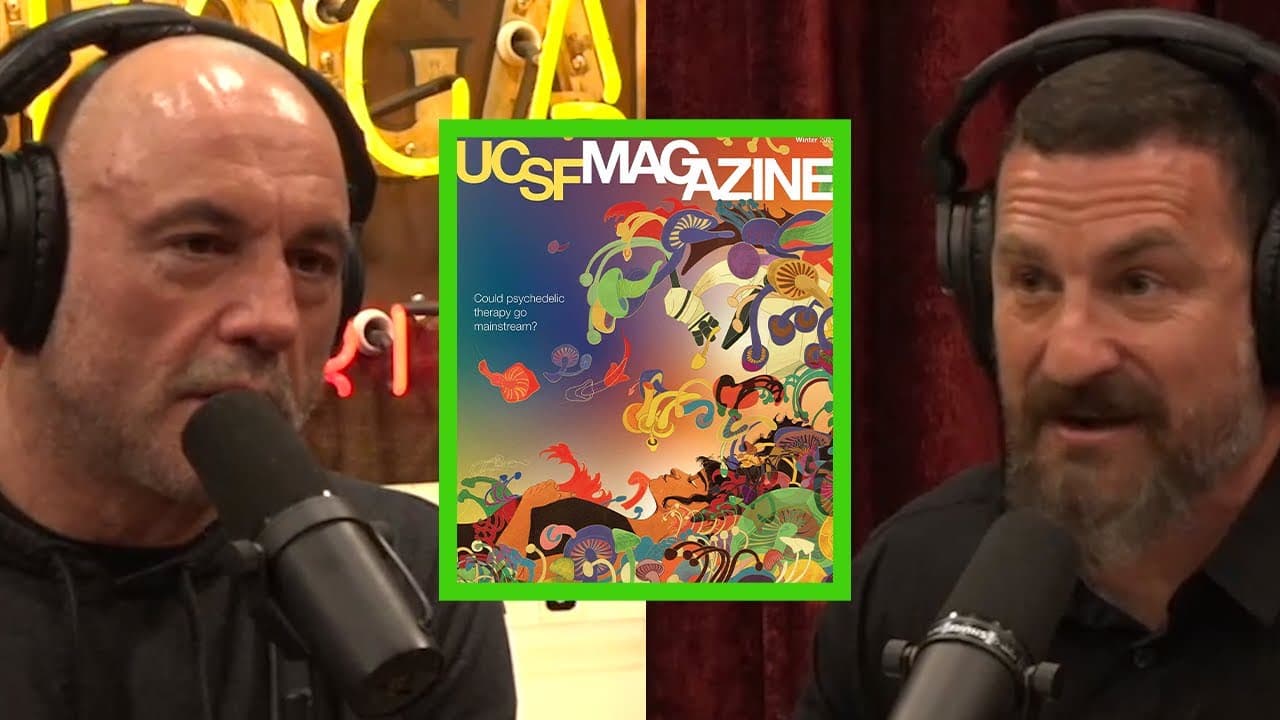
Psychedelic medicine is moving toward mainstream acceptance as laboratories investigate psilocybin, MDMA, DMT, and ibogaine for serious psychiatric conditions. The discussion cites a 65-plus success rate for otherwise intractable, untreatable suicidal depression and describes growing support from universities, philanthropists, grants, and Pharma. Read on to understand the reported treatments, research incentives, and dramatic shift in public perception.
Transcript
The Joe Rogan Experience this is now really big science and Pharma is moving in very quickly what they're trying to do is create non-psychedelic psychedelics figure out what sorts of chemistry changes that doesn't give you hallucinations and create new antidepressants that's what they want to do with psilocybin because doing two Journeys on a drug ... Read More
Key Insights
- 👶 Science and Pharma are actively researching non-psychedelic psychedelics to develop new antidepressants with psilocybin.
- ☠️ Clinical data demonstrates a high success rate in treating untreatable depression with psychedelics.
- 🥺 Top tier donors' increasing interest in psychedelics has led universities to discuss and explore this field.
- 🛀 Psychedelic medicine shows promise in treating various mental illnesses, such as PTSD, depression, anorexia, and ADHD.
- 👨🔬 Research on the safety profiles of MDMA suggests minimal neurotoxicity when pure and not contaminated.
- 💱 Public perception of psychedelics has changed significantly over the last decade, with more positive stories reaching a broader audience.
- 🤕 Psychedelic medicine is heading towards mainstream acceptance, thanks to the efforts of researchers like Michael Pollan, Robin Carhart-Harris, and Nolan Williams.
Install to Summarize YouTube Videos and Get Transcripts
Explore YouTube Video Summarizer or Get YouTube Transcript Extractor
Questions & Answers
Q: What does Huberman say about the emerging science around psychedelics?
Huberman says psychedelic medicine is moving toward mainstream medicine, with laboratories studying compounds for depression and other psychiatric illnesses. He cites research involving psilocybin, DMT, MDMA, and ibogaine, while emphasizing that funding, institutional incentives, and changing public attitudes are accelerating the field.
Q: What are non-psychedelic psychedelics, and why is Pharma pursuing them?
The transcript describes them as compounds altered chemically so they do not produce hallucinations while potentially retaining therapeutic effects. Pharma is pursuing this approach to create new antidepressants, including treatments derived from psilocybin.
Q: What results does the transcript report for psychedelic treatment of severe depression?
The discussion says clinical data show a 65-plus success rate for depression described as intractable, untreatable, and suicidal. It presents this figure as evidence that psychedelic treatments may help people whose depression has resisted other approaches.
Q: Why are universities becoming more open to psychedelic research?
Universities are becoming more open because laboratories are receiving funding, including early philanthropic money and grants. The transcript also says top-tier donors have grown interested in psychedelics, influencing discussions throughout university administration and research.
Q: Which conditions are being studied or reportedly helped by psychedelic medicine?
The transcript mentions PTSD, overwhelming depression, drug addiction, anorexia, ADHD, and other psychiatric illnesses. It also describes reports of tremendous results among soldiers returning with PTSD and positive outcomes among people facing severe depression.
Q: What psychedelic research is described at UCSF?
Robin Carhart-Harris’s laboratory at UCSF is described as having a paper on DMT for treating psychiatric illness. The laboratory is also said to be studying two guided, high-dose psilocybin sessions for anorexia, ADHD, and depression, with very high success.
Q: What work is Nolan Williams’s Stanford laboratory doing with veterans?
Nolan Williams’s Stanford laboratory is described as working with Veteran Solutions and studying people returning with serious psychological difficulties, including suicidal depression. The treatment discussed uses ibogaine and DMT in tandem, while the laboratory conducts neuroimaging and reports tremendously positive results.
Q: How has public perception of psychedelics changed?
The transcript says attitudes toward psychedelics changed radically over the last 10 years. It credits Michael Pollan’s journalistic approach and podcast discussions with bringing positive stories about psychedelic compounds to millions of people and helping move the subject toward mainstream medicine.
Summary & Key Takeaways
-
Science and Pharma are exploring non-psychedelic psychedelics to create new antidepressants with psilocybin, as clinical data shows a 65+ success rate in treating untreatable depression.
-
Universities are now discussing psychedelics with top tier donors, who are increasingly interested in funding research in this field.
-
Psychedelic medicine has shown promise in treating PTSD, depression, anorexia, ADHD, and other psychiatric illnesses.
Read in Other Languages (beta)
Share This Summary 📚
Summarize YouTube Videos and Get Video Transcripts with 1-Click
Try YouTube Summary with ChatGPT & Claude or YouTube Transcript Generator
Explore More Summaries from PowerfulJRE 📚



Summarize YouTube Videos and Get Video Transcripts with 1-Click
Try YouTube Summary with ChatGPT & Claude or YouTube Transcript Generator