How to Stop Being Controlled by Fear and Failure | Impact Theory Special Guests Q&A
TL;DR
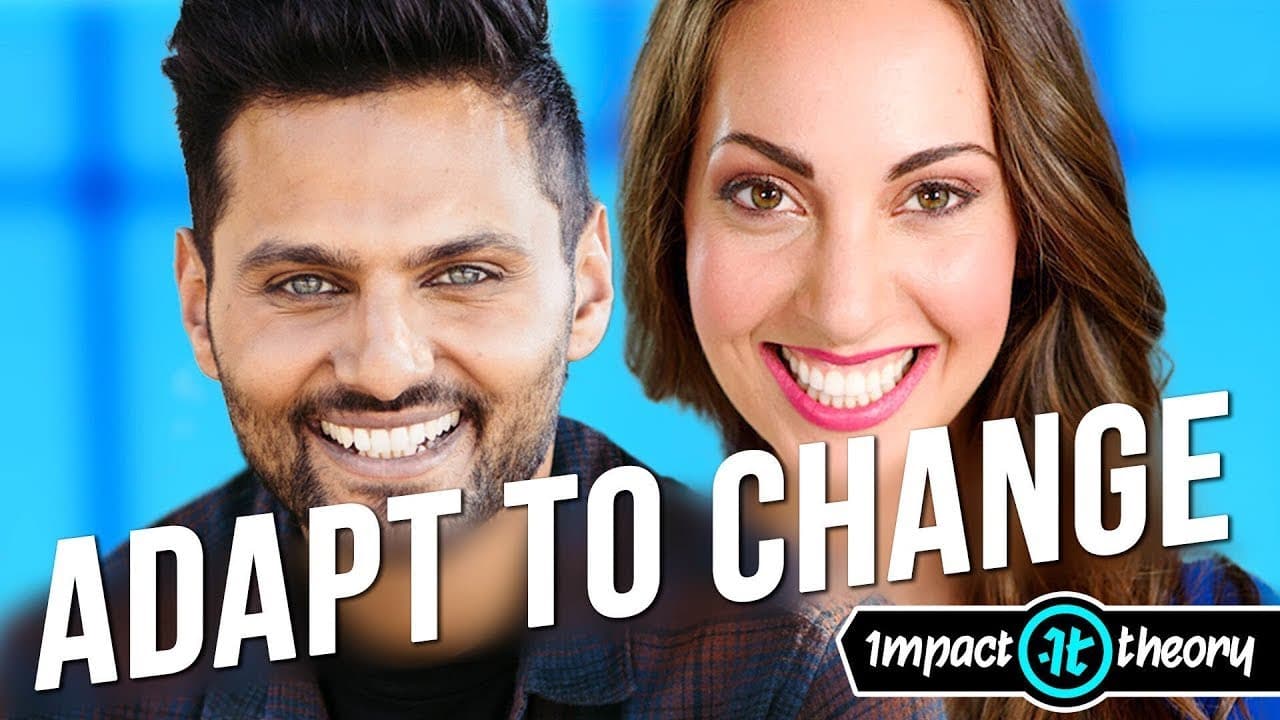
Fear and failure become less controlling when you examine them with curiosity, while lasting happiness grows from consistent habits, purpose, and meaning. Impact Theory guests recommend four daily practices, thankfulness, inspiration, meditation, and exercise, alongside “dating your fears,” authentic charisma, thoughtful career pivots, and internal rather than social-media validation. Read on for specific exercises and grounded advice from Jay Shetty, Alex Banayan, Vanessa Van Edwards, Roshawn McDonald, and Humble the Poet.
Transcript
this episode is sponsored by skillshare and the first 1 000 people to click the link in the description will get a free trial of skillshare's premium membership enjoy the episode hey everybody welcome to impact theory on today's very special episode we have gathered some of your favorite it guests ever to answer questions directly from you these gu... Read More
Key Insights
- 🛟 Happiness can be cultivated through daily habits and finding purpose and meaning in life.
- 🥺 Embracing fears and failures can lead to personal growth and resilience.
- 🗯️ Charisma comes in various flavors, and being your authentic self attracts the right people.
- 😫 Career pivoting requires preparation, goal-setting, leveraging one's gifts, and surrounding oneself with supportive individuals.
- 🔉 Seeking external validation through social media is addictive but not fulfilling; finding internal validation is more important.
Install to Summarize YouTube Videos and Get Transcripts
Explore YouTube Video Summarizer or Get YouTube Transcript Extractor
Questions & Answers
Q: How can you stop being controlled by fear and failure?
Alex Banayan recommends “dating your fears” instead of trying to conquer or suppress them. Set aside one or two hours every week, journal about where each fear came from, and gradually develop a more compassionate relationship with it.
Q: What does it mean to “date your fears”?
Choose a consistent weekly lunch or dinner and deliberately spend that time examining your fears. Ask them questions in a journal about their origins, development, and underlying causes, repeating the exercise across multiple weeks.
Q: Why can examining fear be more helpful than pushing through it?
Banayan says fear remains a constant throughout a journey, while actual or imagined failures can intensify it. Becoming more intimate with fear can reveal deeper causes and origins, helping it feel more like a friend than an enemy.
Q: Is happiness a system or a moving target?
Jay Shetty describes happiness as the byproduct of practicing certain daily habits rather than something that must be chased directly. Over the longer term, he connects happiness with purpose and meaning, not only pleasure and joy.
Q: What four daily habits can create happiness?
Shetty identifies thankfulness, inspiration, meditation, and exercise as four key habits. He says practicing such rituals every day can create states of happiness in life.
Q: How do purpose and meaning contribute to happiness?
Shetty says long-term happiness comes from purpose and meaning as well as daily habits. He describes dharma as the intersection of your passion, strengths, and compassion, the ability to serve through what you are naturally skilled at.
Q: How can someone pivot careers during uncertain times?
Roshawn McDonald recommends preparing for the change, setting short-term goals, and leading with your gifts and passions. She also advises surrounding yourself with supportive people who believe in your dreams.
Q: How can you handle pressure and validation on social media?
Humble the Poet recommends acknowledging the pressure while recognizing that external validation is not fulfilling. The stronger alternative is to find self-worth and validation within yourself.
Summary & Key Takeaways
-
Jay Shetty shares that happiness is a result of daily habits like practicing gratitude, finding inspiration, meditating, and exercising.
-
Alex Banayan suggests dating your fears to develop a healthy relationship with failure, transforming it into an opportunity for growth.
-
Vanessa Van Edwards emphasizes the importance of embracing different flavors of charisma and being your authentic self to attract the right people.
-
Roshawn McDonald advises pivoting careers by preparing, setting short-term goals, and identifying and leveraging one's gifts and passions.
-
Humble the Poet discusses the pressure of social media and encourages finding validation and fulfillment within oneself rather than seeking it externally.
Read in Other Languages (beta)
Share This Summary 📚
Summarize YouTube Videos and Get Video Transcripts with 1-Click
Try YouTube Summary with ChatGPT & Claude or YouTube Transcript Generator
Explore More Summaries from Full Episodes of Impact Theory 📚



Summarize YouTube Videos and Get Video Transcripts with 1-Click
Try YouTube Summary with ChatGPT & Claude or YouTube Transcript Generator