What Are Indigenous Languages and Why Are They Important?
TL;DR
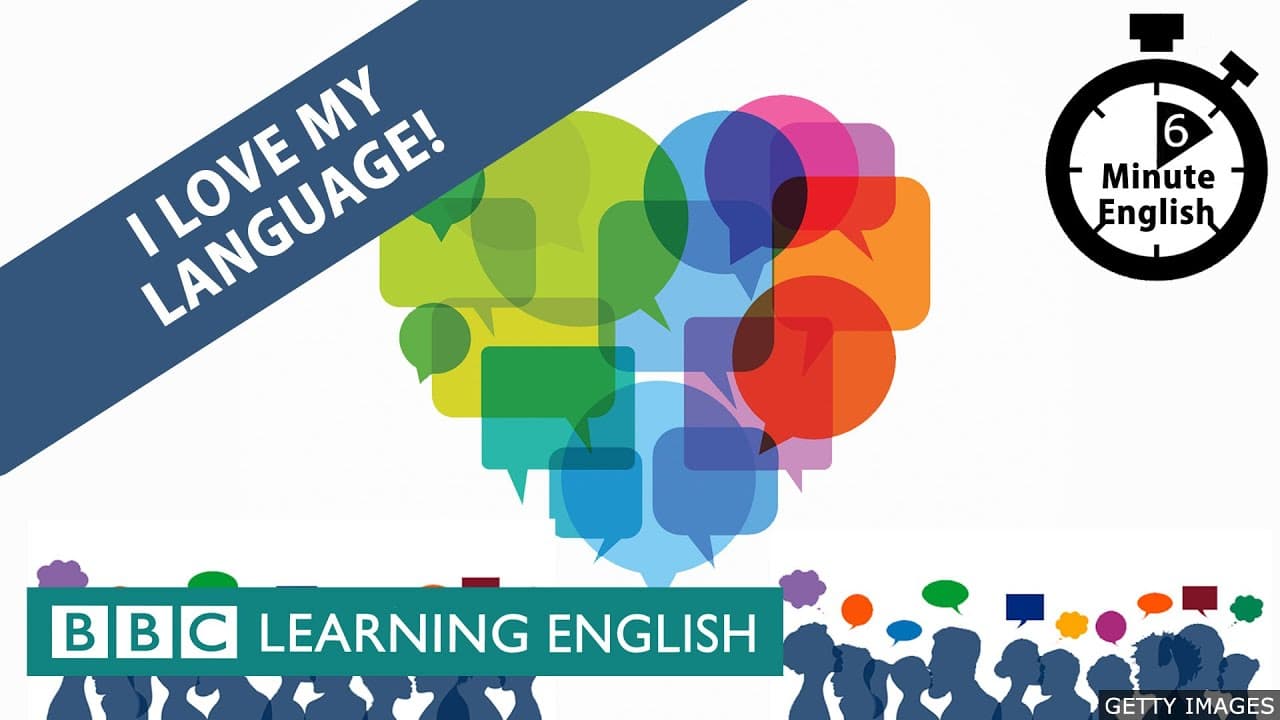
Indigenous languages are vital for preserving cultural identity and history, yet many are endangered by dominant global languages like English. Despite this, efforts such as language immersion at home have shown promise for revitalization, exemplified by speakers like Mshkogaabwid Kwe, who learned Anishinaabemowin as an adult and now teaches it to her children, fostering a connection to their heritage.
Transcript
Hello. This is 6 Minute English from BBC Learning English. I’m Neil. And I’m Sam. Last weekend I was driving from London to Anglesey in Wales when I saw a road sign written in two languages. It said, ‘Welcome to Wales’ in English, and below that, it said ‘Croeso I Gymru’ in Welsh. Yes, Welsh is spoken by many people in north Wales. It’s the indigen... Read More
Key Insights
- Indigenous languages are crucial for preserving cultural identity and history, but many are at risk of disappearing due to the dominance of global languages.
- Welsh is an example of an indigenous language that has survived, supported by local governments and educational systems.
- There are approximately 7,000 languages spoken worldwide, with over 4,000 being indigenous, despite indigenous peoples comprising less than 6% of the global population.
- Mshkogaabwid Kwe, a Canadian indigenous speaker, learned her native language, Anishinaabemowin, as an adult, which strengthened her cultural identity and connection to her ancestors.
- She uses immersion techniques at home to teach her children Anishinaabemowin, ensuring the language is passed on to future generations.
- Code-switching, or changing between languages, is common in bilingual families and supports cognitive development and cultural preservation.
- Despite challenges, such as exposure to English at school, Mshkogaabwid's children are learning to navigate between languages effectively.
- Efforts to preserve indigenous languages offer hope for their survival against the backdrop of global linguistic homogenization.
Install to Summarize YouTube Videos and Get Transcripts
Explore YouTube Video Summarizer or Get YouTube Transcript Extractor
Questions & Answers
Q: Why are indigenous languages important?
Indigenous languages are vital because they carry the history, culture, and identity of the people who speak them. When these languages disappear, the unique cultural heritage and knowledge they embody are also lost. Preserving them helps maintain cultural diversity and historical continuity.
Q: How has the Welsh language survived?
The Welsh language has survived due to active support from local governments and educational systems. In Wales, the language is taught in schools, and there are policies in place to encourage its use in public and private life. This support helps maintain the language's vitality.
Q: What is the significance of Mshkogaabwid learning her ancestral language?
For Mshkogaabwid, learning her ancestral language, Anishinaabemowin, was a profound experience that connected her to her ancestors and cultural identity. It gave her a sense of purpose and belonging, and she is committed to passing this knowledge on to her children, ensuring the language's survival.
Q: What challenges did Mshkogaabwid face in teaching her children Anishinaabemowin?
Mshkogaabwid faced challenges such as her children being exposed to English at school, which affected their use of Anishinaabemowin at home. Despite these 'bumps in the road,' she persisted with immersion techniques, creating an environment where the indigenous language could thrive.
Q: How does code-switching benefit Mshkogaabwid's children?
Code-switching, or the ability to switch between languages, benefits Mshkogaabwid's children by enhancing their cognitive flexibility and linguistic skills. It also reinforces their cultural identity and helps them navigate different cultural contexts, supporting both their personal and educational development.
Q: What role does immersion play in language learning?
Immersion plays a crucial role in language learning by creating an environment where learners are surrounded by the target language. This method accelerates language acquisition by encouraging constant use and practice, as seen in Mshkogaabwid's home where Anishinaabemowin is the primary language spoken.
Q: Why is the preservation of indigenous languages hopeful?
The preservation of indigenous languages is hopeful because it represents a commitment to maintaining cultural diversity and heritage. Efforts by individuals and communities, like Mshkogaabwid's family, demonstrate that with dedication and support, these languages can continue to thrive despite global pressures.
Q: What is the global status of indigenous languages?
Globally, indigenous languages are spoken by less than 6% of the population yet account for over 4,000 of the world's 7,000 languages. This highlights their significant diversity and the urgent need for preservation efforts to prevent their extinction amid the dominance of international languages.
Summary & Key Takeaways
-
Indigenous languages are vital for maintaining cultural identity, yet many face extinction due to the influence of dominant global languages. Welsh is a rare example of survival, aided by educational and governmental support. Efforts are underway to preserve these languages and the cultures they represent.
-
Mshkogaabwid Kwe, a Canadian indigenous speaker, learned her ancestral language, Anishinaabemowin, as an adult. This connection to her heritage inspired her to teach the language to her children using immersion techniques, ensuring its preservation for future generations.
-
Despite challenges like exposure to English at school, Mshkogaabwid's children are learning to switch between languages, a skill that aids cognitive development and cultural preservation. Such efforts highlight the hope for indigenous languages' survival amidst global linguistic pressures.
Read in Other Languages (beta)
Share This Summary 📚
Summarize YouTube Videos and Get Video Transcripts with 1-Click
Try YouTube Summary with ChatGPT & Claude or YouTube Transcript Generator
Explore More Summaries from BBC Learning English 📚
Summarize YouTube Videos and Get Video Transcripts with 1-Click
Try YouTube Summary with ChatGPT & Claude or YouTube Transcript Generator