The Power Paradox: The Promise and Peril of 21st Century Power | Dacher Keltner | Talks at Google
TL;DR
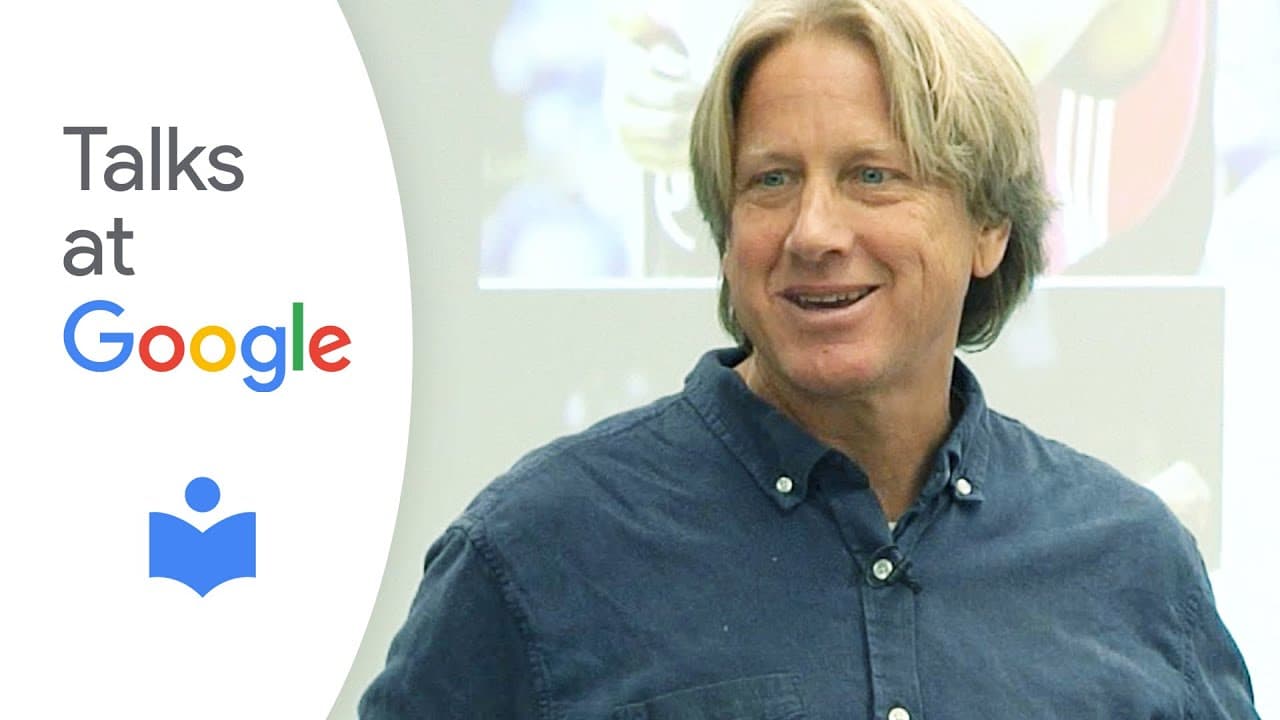
The power paradox is that people can gain influence by advancing the greater good and showing empathy, yet power can then encourage risky, unlawful, rude, or uncivil behavior. Dacher Keltner draws on 25 years of studying power and connects powerlessness with stress, compromised nervous systems, and negative health outcomes. Read on to understand how power shapes behavior, health, relationships, and inequality.
Transcript
[APPLAUSE] DACHER KELTNER: Thank you, Jessie. One of the great privileges of writing a book is you get to go out and speak to all kinds of interesting audiences. And I love coming to Google. I should also let you know that I think a lot of the thinking about what power is in the 21st century, which is at the heart of the book, comes from experience... Read More
Key Insights
- ✊ Power is not just about force, but also about influence and the ability to alter the state of another person.
- ✊ Those in positions of power are more likely to engage in risky behavior, violate laws, and exhibit rude or uncivil behavior.
- 🥺 Powerlessness can lead to increased stress levels and negative health outcomes.
Install to Summarize YouTube Videos and Get Transcripts
Explore YouTube Video Summarizer or Get YouTube Transcript Extractor
Questions & Answers
Q: What is the power paradox described by Dacher Keltner?
Power is the capacity to alter another person’s state, and people can gain it by advancing the greater good and showing empathy. Yet holding power can encourage risky behavior, rule-breaking, and rude or uncivil conduct.
Q: How does power affect a person’s behavior and decisions?
People in positions of power are more likely to take risks, violate rules or laws, and behave rudely or without civility. Power can also diminish empathy and the ability to understand other people’s perspectives.
Q: Can power corrupt an individual?
Yes. The discussion presents power as capable of encouraging unethical conduct and abuses of authority, even when influence was originally gained through empathy or service to others.
Q: What does power mean in the 21st century?
Power is not limited to force or control; it includes influence and the capacity to alter another person’s state. Keltner says his thinking about 21st-century power was shaped partly by consulting at Google and working on projects at Facebook and elsewhere.
Q: How does powerlessness affect health?
Powerlessness is associated with increased stress, elevated cortisol, compromised nervous systems, and negative health outcomes. Keltner connects these effects to the unusually early deaths and serious illnesses he observed among marginalized, poor rural neighbors.
Q: Why does Dacher Keltner discuss his childhood neighborhood?
Keltner moved to a poor California community in 1970 when he was 10 years old. He later interpreted the early deaths, illnesses, anxiety, imprisonment, and other hardships around him as consequences of marginalization and powerlessness.
Q: Why is power considered fundamental to social relationships?
Keltner cites Bertrand Russell’s 1938 argument that power is fundamental to social science as energy is to physics. The talk applies this idea broadly, arguing that power shapes social relationships, including romantic partnerships and family life.
Q: How can the negative effects of powerlessness be addressed?
The existing discussion points to empowerment programs and interventions as possible responses. It also identifies outdoor experiences and mindfulness as activities that may help address powerlessness’s physical and mental effects.
Summary & Key Takeaways
-
Power is the capacity to alter the state of another person and it can be gained through advancing the greater good and showing empathy.
-
Those in positions of power are more likely to engage in risky behavior, violate laws, and exhibit rude or uncivil behavior.
-
Feeling powerless can lead to increased stress levels and negative health outcomes.
-
Current systems of power and punishment are often biased and lead to further inequality.
Read in Other Languages (beta)
Share This Summary 📚
Summarize YouTube Videos and Get Video Transcripts with 1-Click
Try YouTube Summary with ChatGPT & Claude or YouTube Transcript Generator
Explore More Summaries from Talks at Google 📚
Summarize YouTube Videos and Get Video Transcripts with 1-Click
Try YouTube Summary with ChatGPT & Claude or YouTube Transcript Generator