What Does the Future Hold for Human-Robot Interaction?
TL;DR
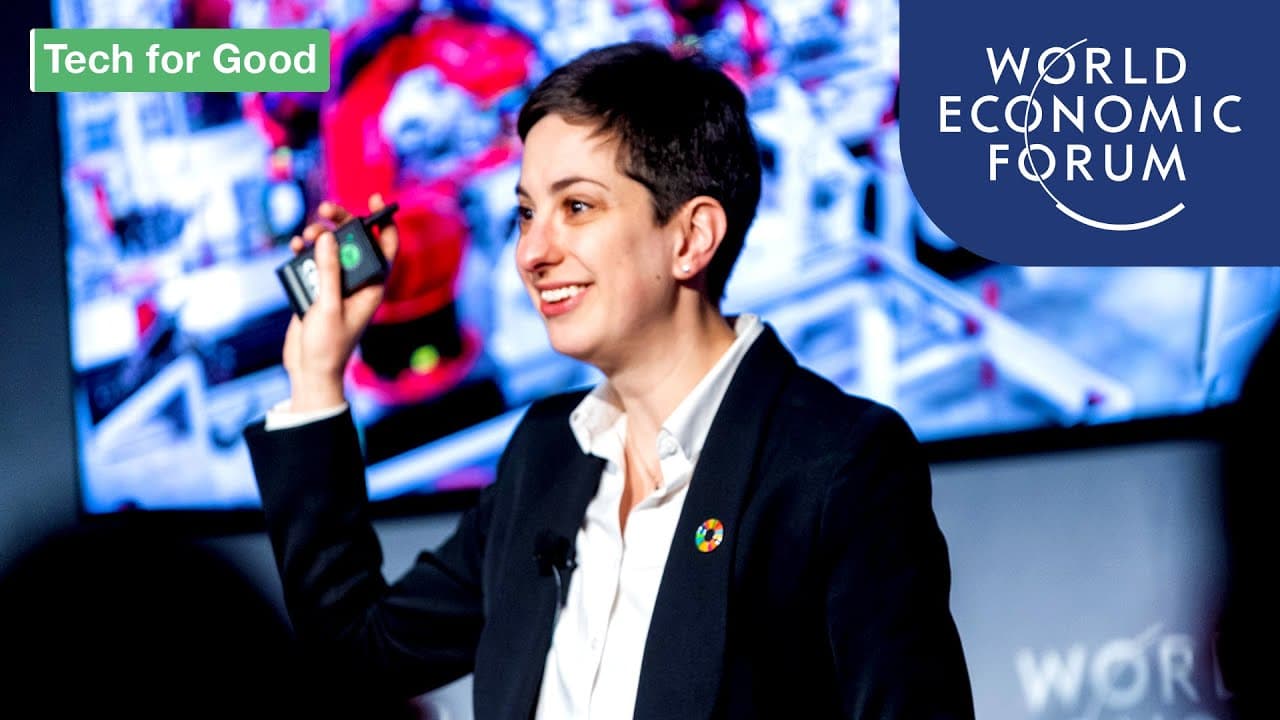
The future of human-robot interaction is focused on creating assistive robots that understand and respond to human needs through nonverbal cues. Professor Henny Admoni emphasizes the importance of ethical considerations and collaboration between academia and industry to enhance robot design, aiming to improve the quality of life for individuals with impairments and foster acceptance of robots in everyday environments.
Transcript
welcome everyone to what i think is going to be one of the more insightful informative and i think inspirational panels of the entire forum and that is because today we're going to talk about not just the future of human robot interaction but some amazing things and really inspiring research that's happening in the present that's because i am seate... Read More
Key Insights
- 🤖 The field of human-robot interaction is experiencing rapid growth due to advancements in automation, AI, and data access.
- 😃 Robots designed for human interaction need to understand and respond to human behavior, including nonverbal cues like eye gaze.
- 🛟 Assistive robotics can improve the lives of individuals with impairments, enhancing their independence and quality of life.
- 😨 Ethical considerations, such as privacy and dehumanization, should be addressed when integrating robots into care and assistance settings.
- 🤖 Sharing data and collaborating between academia and industry is crucial for advancing human-robot interaction technologies.
- 🤖 The acceptance of robots in everyday environments depends on addressing societal expectations, showcasing their benefits, and designing robots that align with human needs and preferences.
Install to Summarize YouTube Videos and Get Transcripts
Explore YouTube Video Summarizer or Get YouTube Transcript Extractor
Questions & Answers
Q: How do robots in the field of assistive robotics enhance the lives of individuals with impairments?
Assistive robots in the form of physically or socially assistive robots provide support to individuals with impairments, helping with tasks like food delivery, physical assistance, or social interactions. They enhance people's capacity and independence using robotic technology.
Q: What challenges do robots face in human-centered interactions?
Robots must understand human needs, preferences, and nonverbal cues to effectively interact with humans. Developing algorithms that can interpret and respond to human behavior, such as eye gaze and gestures, is a significant challenge.
Q: How can robots assist individuals with dementia?
Robots designed for dementia care can provide companionship, engagement, and social interactions. They can mimic pet-like behaviors and engage in open-ended conversations, providing emotional support and reducing feelings of loneliness.
Q: What are the potential ethical implications of using robots for care and assistance?
Ethical concerns arise when robots are used for care, particularly for individuals who may not fully understand that the interaction is not with a human. Privacy, data usage, and the potential for dehumanizing care should be addressed through strong policy and involvement of technologists in the conversation.
Summary & Key Takeaways
-
Professor Henny Admoni introduces the societal and economic transformation driven by automation, AI, and data access, emphasizing the rise of human-robot interaction.
-
She discusses her research on developing nuanced human-robot interactions, specifically focusing on assistive robotics and the integration of technology to enhance human lives.
-
Admoni highlights the significance of understanding human behavior, including nonverbal cues like eye gaze, in building robots that can effectively assist and collaborate with humans.
Read in Other Languages (beta)
Share This Summary 📚
Summarize YouTube Videos and Get Video Transcripts with 1-Click
Try YouTube Summary with ChatGPT & Claude or YouTube Transcript Generator
Explore More Summaries from World Economic Forum 📚
Summarize YouTube Videos and Get Video Transcripts with 1-Click
Try YouTube Summary with ChatGPT & Claude or YouTube Transcript Generator