What Does Eating Sh*t Have to Do With Success?
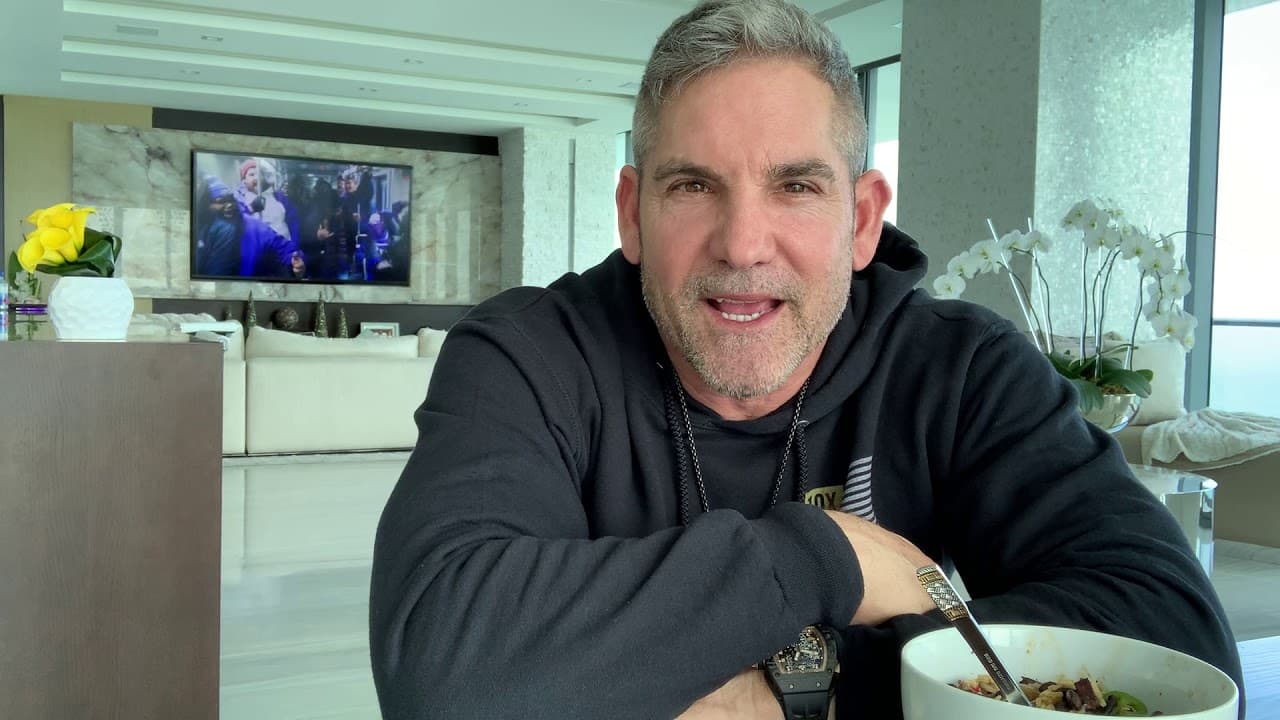
TL;DR
“Eating sh*t” means accepting that setbacks, ingratitude, financial hardship, and humbling experiences are unavoidable, then facing them with a constructive attitude. The speaker recalls surviving on peanut butter and jelly sandwiches for years, buying only about 37 cents of gas, and later filling a 35,000-person stadium. Read on for his examples of handling adversity at every level of success.
Transcript
hey I was inspired by video that my friend in London Rob Moore did labeled titled I think it was titled do you eat [ __ ] or I don't want to eat [ __ ] and then he went on by the way I like Rob and I like what he does and I appreciate the time and interest he has and other entrepreneurs and sharing his message and his discoveries and what works for... Read More
Key Insights
- "look nobody wants to eat [ __ ] but let's face it you're gonna eat it you're gonna have to" (1:04)
- "I literally had a diet of that for two or three years" (2:42)
- "it's a gift to be able to have a job" (4:25)
- "you gotta be willing to and you got to keep a smile on your face" (5:52)
Install to Summarize YouTube Videos and Get Transcripts
Explore YouTube Video Summarizer or Get YouTube Transcript Extractor
Questions & Answers
Q: What does “eating sh*t” mean in the context of success?
It means enduring setbacks, hardship, disappointment, or a lack of appreciation while continuing forward. The speaker says the real issue is not whether adversity happens, but how much, how often, and with what attitude you face it.
Q: Does success eliminate hardship?
No. The speaker says he has an unbelievable life and can go where he wants, yet he still has to “eat sh*t.” His point is that hardship affects people whether they are broke, starting out, or have millions put away.
Q: What setbacks did the speaker experience in business?
He traveled to appointments where the other person did not show up. He also describes investments that returned double what was expected and a customer whose sales increased by 158%, yet he received no thanks and was told his services were too expensive.
Q: How poor was the speaker before becoming successful?
He recalls being unable to pay for a hamburger and making peanut butter and jelly sandwiches as his food of choice for two or three years. At the gas station, he sometimes bought only a quarter or about 37 cents of gas.
Q: What does the speaker say matters most when facing adversity?
He says you must be willing to endure it, remain all right with it, and keep a smile on your face. He presents smiling through hardship as the attitude that lets a person keep confronting whatever comes next.
Q: Why does the speaker still eat black beans and rice?
He says the meal, made with old burnt sausage and a large jalapeño, reminds him where he came from. Even though his life is now unbelievable, the food reconnects him with earlier hardship.
Q: What achievement does the speaker use to illustrate his later success?
He says he sold out a 35,000-person stadium by putting 28,000 people inside and another 7,000 there. He contrasts that achievement and his present freedom with the fact that adversity still continues.
Q: What does the speaker say about having a job before starting a business?
He calls having a job a gift and says people should love their job. He asks how someone can start a business and employ people who do not hate their jobs if that person cannot love their own job.
Summary & Key Takeaways
-
The video discusses the concept of "eating [__]," which refers to handling and overcoming challenges and setbacks in life.
-
The speaker emphasizes the importance of accepting and embracing difficult situations rather than avoiding them.
-
He highlights that eating [__] is a necessary part of personal and professional growth and encourages viewers to develop resilience and a positive mindset.
Read in Other Languages (beta)
Share This Summary 📚
Summarize YouTube Videos and Get Video Transcripts with 1-Click
Try YouTube Summary with ChatGPT & Claude or YouTube Transcript Generator