What Are the Benefits of Celebrating Failure in Innovation?
TL;DR
Celebrating failure in innovation fosters a safe environment for teams to explore ambitious ideas, leading to valuable insights and breakthroughs. At the moonshot factory, X (formerly Google X), embracing failure allows teams to pivot quickly and eliminate unviable projects, which ultimately encourages creativity and enhances the potential for radical solutions to world problems.
Transcript
In 1962 at Rice University, JFK told the country about a dream he had, a dream to put a person on the moon by the end of the decade. The eponymous moonshot. No one knew if it was possible to do but he made sure a plan was put in place to do it if it was possible. That's how great dreams are. Great dreams aren't just visions, they're visions coupled... Read More
Key Insights
- 🌕 The moonshot factory, X (formerly Google X), is a place where inventors, engineers, and makers work together to dream up technologies that can make the world a better place.
- 🌿 One moonshot project that was killed was automated vertical farming, which aimed to address global undernourishment. Although progress was made in areas like automated harvesting, staple crops like grains and rice could not be grown in this way.
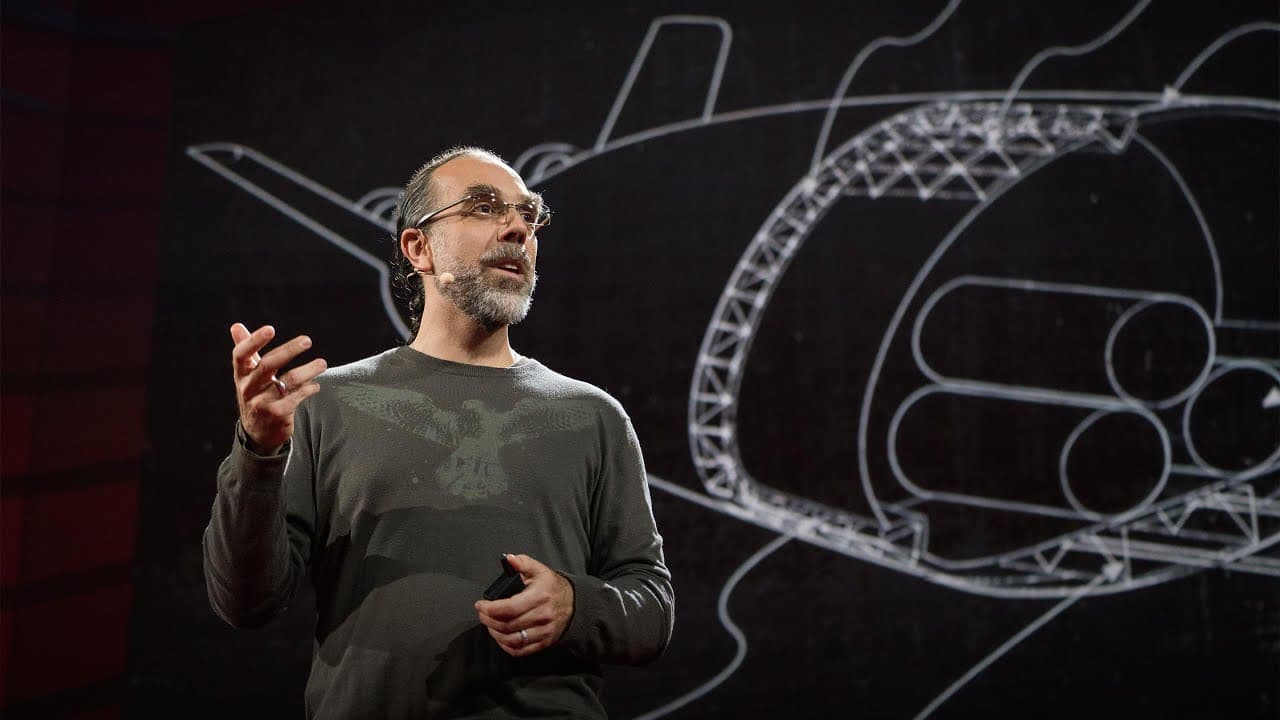
- 🚢 Another moonshot project focused on creating a lighter-than-air cargo ship that could lower the cost, time, and carbon footprint of shipping. However, the high cost of designing and building the first ship led to the project being abandoned.
- 🚗 The self-driving car project went through a major crisis when users failed to stay alert in case they needed to take control of the vehicle. This led to a shift in perspective, aiming for a car where passengers are truly passengers and do not need to intervene.
- 💨 The wind energy project involved creating energy kites that could harness faster and more consistent winds in the stratosphere. The project is still ongoing and holds promise for a cheaper and more deployable form of wind energy.
- 🎈 Project Loon aims to provide internet access to rural and remote areas using a network of balloons in the stratosphere. Challenges include steering the balloons and maintaining a signal. Progress has been made, and the project is in discussions with telcos.
- 🎗 X's approach involves making it safe to fail and rewarding teams for killing their ideas when the evidence suggests it is necessary. Enthusiastic skepticism is seen as a partner to boundless optimism and helps unlock the potential in every idea.
- 🌍 Moonshots at X focus on addressing huge problems that affect many people and proposing radical solutions that have the potential to be built. The emphasis is on keeping visions big and concrete plans in place to make them a reality.
Install to Summarize YouTube Videos and Get Transcripts
Explore YouTube Video Summarizer or Get YouTube Transcript Extractor
Questions & Answers
Q: What is the purpose of the moonshot factory?
The moonshot factory, known as X (formerly Google X), is a place where inventors, engineers, and makers work together to dream up technologies that can make the world a better place. The goal of the moonshot factory is to find huge problems in the world, propose radical solutions for solving them, and find ways to build the necessary technology to make these solutions a reality.
Q: How does the moonshot factory approach problem-solving?
The moonshot factory approaches problem-solving by embracing the messiness of the process. Instead of avoiding the difficulties or pretending they don't exist, the team at X actively breaks things and tries to prove themselves wrong. They run at all the hardest parts of a problem first and ask themselves how they can kill their project each day. This approach allows them to identify flaws early on and shift their perspective to find more productive paths.
Q: Can you give examples of projects that were left behind at the moonshot factory?
Yes, among the projects that were left behind at the moonshot factory was automated vertical farming. While vertical farming had the potential to address the undernourishment problem, the team couldn't successfully grow staple crops like grains and rice using this method. Another project that was abandoned due to high costs was the development of a lighter-than-air cargo ship. The initial design and construction costs were deemed too expensive to pursue.
Q: How does the moonshot factory encourage innovation and learning from mistakes?
At the moonshot factory, innovation and learning from mistakes are encouraged by creating a safe environment to fail. Teams are rewarded for killing their project as soon as evidence indicates it won't be successful. They receive applause, high fives, and promotions for their efforts. This approach allows for enthusiastic skepticism to be embraced, ensuring that each idea's potential is unlocked and that the best paths forward can be discovered.
Q: Can you provide examples of moonshot projects that have been successful?
One successful moonshot project from the moonshot factory is the development of self-driving vehicles. While the initial goal was to have the car do most of the driving and hand over control to users in emergencies, it was discovered that this plan was unsafe. This crisis led the team to shift their perspective and aim for fully self-driving cars, where passengers simply input their destination and the car handles the rest. Another successful project is Project Loon, which aims to provide internet access to remote areas using a network of balloons in the stratosphere. The team has made significant progress in terms of balloon navigation and signal transmission, with balloons staying up for over 100 days and reaching speeds of up to 15 megabits per second.
Summary & Key Takeaways
-
JFK's dream to put a person on the moon inspired the concept of moonshots, which are ambitious visions coupled with strategies to make them a reality.
-
The moonshot factory, X (formerly Google X), is a place where inventors, engineers, and makers work together to dream up technologies that can make the world a better place.
-
The team at X embraces failure and encourages teams to kill their ideas early if the evidence shows it is not viable, creating a safe environment for audacious ideas and boundless optimism.
Read in Other Languages (beta)
Share This Summary 📚
Summarize YouTube Videos and Get Video Transcripts with 1-Click
Try YouTube Summary with ChatGPT & Claude or YouTube Transcript Generator
Explore More Summaries from TED 📚






Summarize YouTube Videos and Get Video Transcripts with 1-Click
Try YouTube Summary with ChatGPT & Claude or YouTube Transcript Generator