Mahabharata’s “Rakshasas” & “Asuras” - Who Were They - Archaeologist Nilesh Oak Explains
TL;DR
The discussion delves into ancient cultures, mythology, and their surprisingly interconnected narratives.
Transcript
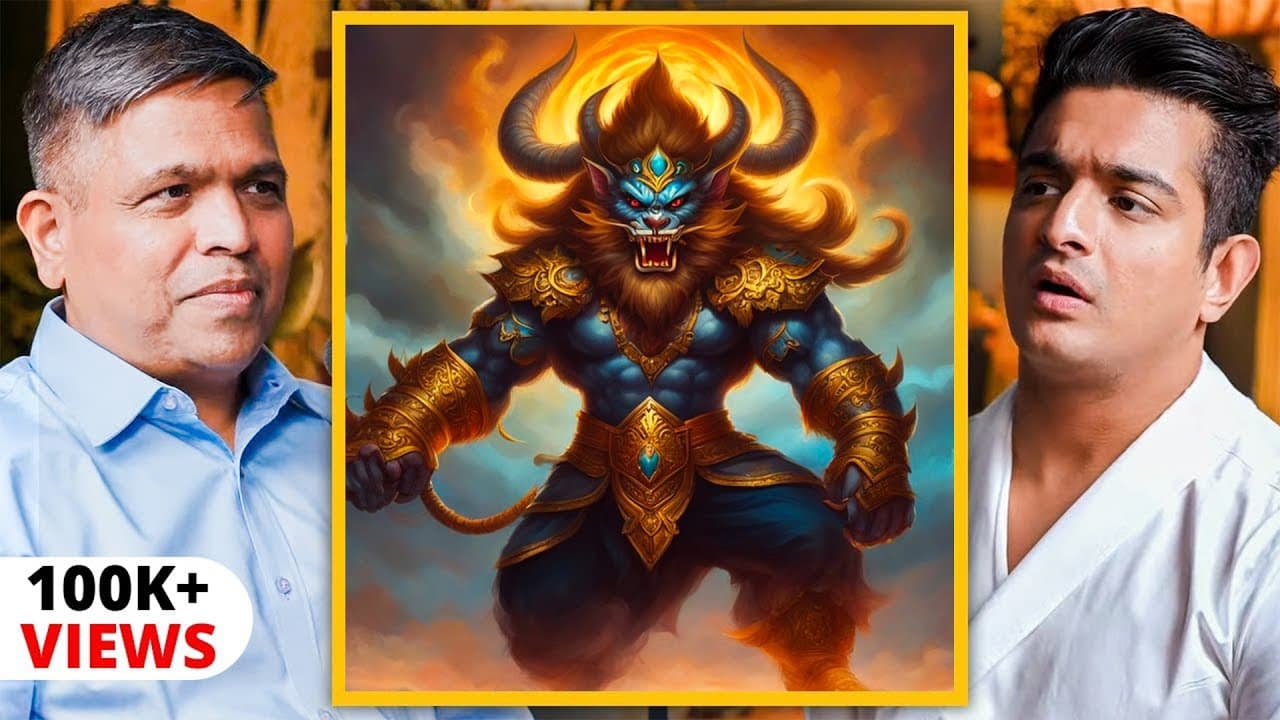
Happ through Curiosity on the ren show the one thing I've always questioned even as a kid was what were rasas when you talk about hidimba gach bakasur uh effectively if you truly try uh attaching it to reality was bakasur some kind of a cannibal like just a really well-built cannibal was hidimba and hidm also something similar and then if that's th... Read More
Key Insights
- 💠 The mythology surrounding characters like Hidimba and Bakasur reflects the cultural and historical narratives that shape modern understanding of Hindu epics.
- 🤑 Parallels between Zoroastrianism and Hinduism unravel rich historical ties and underscore cultural exchanges over centuries.
- 😈 The terminology used in mythology signifies deeper cultural connections, highlighting how ancient narratives influence contemporary interpretations of good and evil.
- ❓ Speculation about ancient lifespans stimulates discussion regarding the capabilities of early civilizations and their potential achievements.
- 👷 Cultural myths often morph over time, showcasing how history influences narrative construction and character portrayal.
- 🍝 Modern practices of ancient religions reveal ongoing traditions that connect contemporary worshippers to their past through shared rituals.
- 🛟 The distinction between Asuras and Devas serves as a lens through which the complexities of righteous and malevolent figures can be examined in greater depth.
Install to Summarize YouTube Videos and Get Transcripts
Explore YouTube Video Summarizer or Get YouTube Transcript Extractor
Questions & Answers
Q: What is the significance of the Hidimba temple in Himachal Pradesh?
The Hidimba temple is significant as it commemorates the mythological character Hidimba from the Mahabharata. Located near Kullu, the temple's history reflects the cultural legacy of the epic and attracts pilgrims and tourists who seek to connect with this narrative deeply rooted in Indian tradition.
Q: How do Zoroastrian beliefs parallel those of Hinduism?
Zoroastrianism, often considered the sister religion of Hinduism, shares foundational aspects such as fire worship and the use of mantras. The article highlights parallels in their mythologies, suggesting a historical connection, specifically in how both cultures view deities and ethics, despite differing in interpretations.
Q: What role do Asuras play in Hindu mythology, and how do perceptions of them vary?
Asuras, often deemed villains in Hindu epics, are portrayed with varying degrees of complexity, with some depicted as heroic in various tales. This nuanced depiction invites deeper engagement, challenging monolithic views of good and evil, as seen in the texts of the Ramayana and Vishnu Puran.
Q: What hypotheses are suggested regarding ancient human lifespans?
The content posits that ancient humans may have had longer lifespans than today, possibly leading to more significant accomplishments in societal development. Speculative connections to yogic practices that extend life are made, suggesting these extended lifetimes could have allowed them to build complex societies and legacies.
Q: What historical connections are suggested between the terms Asura and the Zoroastrian "Daa"?
The analysis suggests that the words 'Asura' and 'Daa' may reflect conflicts between ancient tribes, with each culture's mythology depicting these figures differently. This dynamic offers insights into the evolving meanings of cultural narratives across time, leading to opposing portrayals of morality and character in mythology.
Q: How are the distinctions of "good" and "evil" in mythology addressed?
The discussion emphasizes that the labels of "good" and "evil" in mythologies are not absolute. Characters traditionally viewed as villains, such as Asuras or Rakshasas, sometimes possess admirable qualities and may have played protective roles within their narratives, culminating in a more complex understanding of heroism and morality.
Summary & Key Takeaways
-
The content explores the relationships between characters from Hindu mythology, such as Hidimba and Bakasur, and questions their historical realities and origins.
-
It also discusses the Zoroastrian religion, suggesting similarities with Hindu philosophy, and how cultural perspectives on figures like Asuras vary between religions.
-
Furthermore, it speculates on ancient human lifespans and societal structures, positing that earlier civilizations may have been materially and physically superior.
Read in Other Languages (beta)
Share This Summary 📚
Summarize YouTube Videos and Get Video Transcripts with 1-Click
Try YouTube Summary with ChatGPT & Claude or YouTube Transcript Generator
Explore More Summaries from TRS Clips 📚




Summarize YouTube Videos and Get Video Transcripts with 1-Click
Try YouTube Summary with ChatGPT & Claude or YouTube Transcript Generator