What Is Spanish-Philippine Literature and Its Significance?
TL;DR
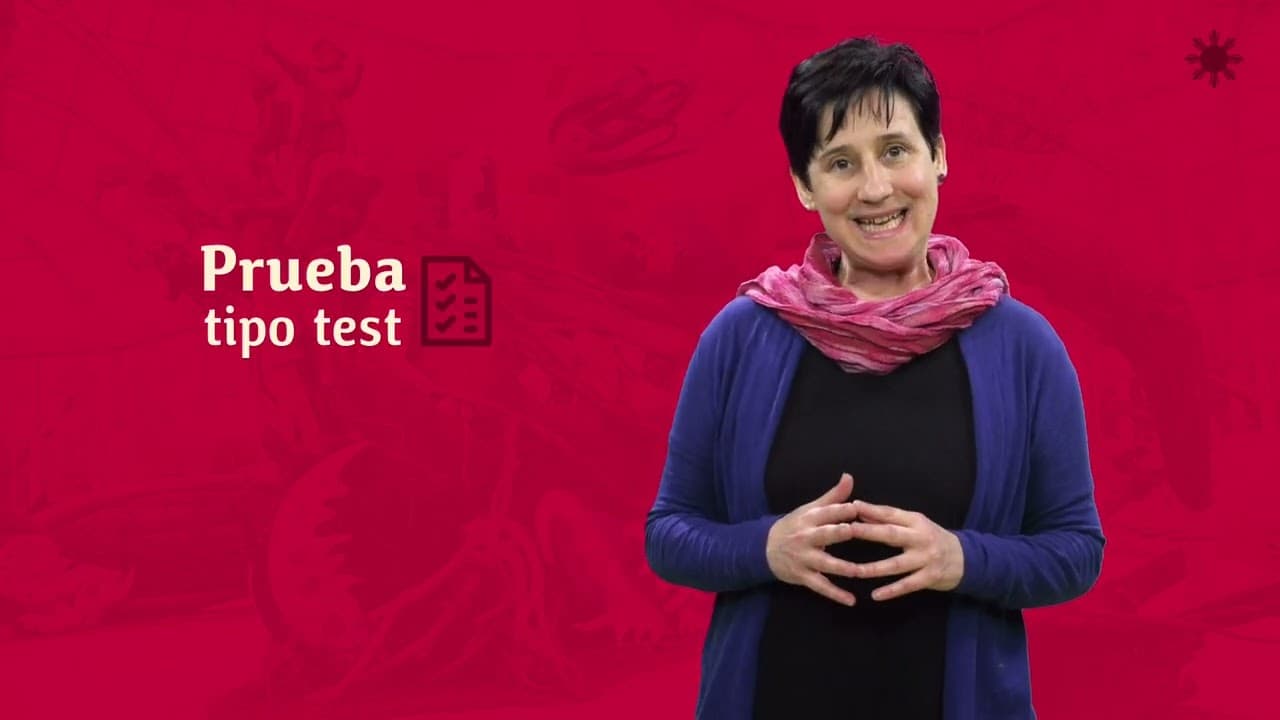
Spanish-Philippine literature spans from the 16th to the 21st century, reflecting the colonial relationship between Spain and the Philippines. This course utilizes Digital Humanities tools for text analysis, enhancing understanding through interactive methods, including video lessons and assessments, while providing supplementary activities to improve Spanish language skills.
Transcript
Hello! Mabuhay Welcome! In this course, you will learn about Philippine Literature in Spanish, as well the Digital Humanities tools that will help you explore any type of text. Topics 1 to 4 encompass a literary, artistic, and cultural journey, accompanied by the historical, political, and social context from the 16th to the 21st century. Topic 5 ... Read More
Key Insights
- The course covers Philippine literature in Spanish, spanning from the 16th to the 21st century, offering a rich cultural and historical context.
- Digital Humanities tools are introduced to analyze and explore texts, enhancing the understanding of literary works.
- An anthology of Spanish-Philippine literature is available for download, allowing students to engage with the content at their own pace.
- Supplementary activities are provided to help improve Spanish language proficiency, linked to the main course topics.
- The course features a diverse range of teaching methods, including video classes, tutorials, expert interviews, and multimedia presentations.
- Self-assessment activities follow each video lesson to aid in the learning process, culminating in tests at the end of each topic.
- The course addresses key questions about Spanish-Philippine literature, including its historical context and contemporary relevance.
- Digital Humanities techniques like digitization, text processing, and semantic annotation are used to explore and visualize literary analyses.
Install to Summarize YouTube Videos and Get Transcripts
Explore YouTube Video Summarizer or Get YouTube Transcript Extractor
Questions & Answers
Q: What is the focus of the course?
The course focuses on Philippine literature written in Spanish, providing a comprehensive overview of its historical, cultural, and artistic contexts from the 16th to the 21st century. It also introduces Digital Humanities tools for analyzing texts, offering a modern approach to literary studies.
Q: How does the course help improve Spanish language proficiency?
The course includes supplementary activities specifically designed to enhance Spanish language proficiency. These activities are linked to the main topics of the course and provide practical exercises that help students practice and improve their Spanish language skills in a contextual manner.
Q: What teaching methods are used in the course?
The course employs a variety of teaching methods, including video classes, tutorials, expert interviews, and multimedia presentations. This diverse approach caters to different learning styles and ensures a comprehensive understanding of the course material.
Q: What are some key questions addressed in the course?
The course addresses several key questions, such as what is meant by Spanish-Philippine literature, how the colonial relationship between Spain and the Philippines is reflected in literary works, and why the period between 1902 and 1942 is considered a 'Golden Age' in Spanish-Philippine literature.
Q: How are Digital Humanities tools integrated into the course?
Digital Humanities tools are integrated into the course to aid in text analysis and exploration. Techniques such as digitization, text processing, and semantic annotation are used to analyze and visualize literary content, offering students a modern and interactive approach to studying literature.
Q: What resources are available for download in the course?
An anthology of Spanish-Philippine literature is available for download, allowing students to engage with the texts at their own pace. This resource is curated specifically for the course and serves as a key component of the learning material, supplementing the video classes and activities.
Q: What is the significance of the 'Golden Age' in Spanish-Philippine literature?
The 'Golden Age' in Spanish-Philippine literature, spanning from 1902 to 1942, is significant because it represents a period of flourishing literary activity and cultural exchange. Scholars highlight this era for its rich production of literary works that reflect the complex colonial and post-colonial dynamics between Spain and the Philippines.
Q: How does the course ensure students' understanding of the material?
The course includes self-assessment activities following each video lesson, allowing students to evaluate their understanding of the material. At the end of each topic, a test summarizes the key points covered, ensuring that students have grasped the essential concepts before moving on to the next topic.
Summary & Key Takeaways
-
This course offers a comprehensive exploration of Philippine literature in Spanish, contextualized within historical and cultural frameworks from the 16th to the 21st century. It introduces Digital Humanities tools for text analysis, providing a modern approach to understanding literary works.
-
Students will have access to an anthology of Spanish-Philippine literature and supplementary activities to enhance their Spanish language skills. The course includes a variety of teaching methods, such as video classes, expert interviews, and multimedia presentations.
-
Key questions about the nature and impact of Spanish-Philippine literature are explored, with a focus on the colonial relationship between Spain and the Philippines. Digital Humanities methods are employed to analyze and visualize literary content, enriching the learning experience.
Read in Other Languages (beta)
Share This Summary 📚
Summarize YouTube Videos and Get Video Transcripts with 1-Click
Try YouTube Summary with ChatGPT & Claude or YouTube Transcript Generator
Explore More Summaries from universidadurjc 📚
Summarize YouTube Videos and Get Video Transcripts with 1-Click
Try YouTube Summary with ChatGPT & Claude or YouTube Transcript Generator