Are Haircuts Really a Scam or Worth the Cost?
TL;DR
Haircuts can be seen as a scam due to the inflated prices driven by societal pressure and economic factors, suggesting that people may pay more than necessary for a service they could do themselves. However, the experience of getting a haircut offers significant emotional and social value, which some argue justifies the cost.
Transcript
- Do I want to pay $75 for a burrito, maybe I do. - But will that burrito last for six weeks? (indistinct chatter) - This is my time. - [Michael] He's right.
- Okay. - [Michael] What's up guys, welcome to Hot Take. The show where we have smart people argue about really absurd things. Every week we give our defendant a fresh hot take that they have ... Read More
Key Insights
- 💇 The debate on the value of haircuts reveals deep-rooted societal expectations that often pressure individuals to conform, affecting personal finances.
- 🧑🏭 The experience of getting a haircut is more than just the act itself; it encapsulates social interaction, emotional well-being, and self-esteem factors that play into consumer choices.
- 💇 Historical context is essential to understanding how the haircut economy has evolved, highlighting shifts in cultural trends and their implications on pricing strategies.
- 🤳 While defending the position that haircuts can be a scam, the defendant acknowledges that personal grooming is ultimately about self-comfort and individual choice.
- 💇♀️ Pricing fairness in haircuts is challenged, as statistics show a discrepancy in the average costs between men and women, raising questions about gendered pricing in personal care.
- 💇 The discussion about haircuts serves as a metaphor for larger issues within the service industry, including pricing models and consumer awareness of economic dynamics.
- 💇 Emotional connections with service providers such as barbers can enhance the perceived value of haircuts, adding more layers to the discussion than just financial considerations.
Install to Summarize YouTube Videos and Get Transcripts
Explore YouTube Video Summarizer or Get YouTube Transcript Extractor
Questions & Answers
Q: What is the main argument of the defendant regarding haircuts?
The defendant argues that haircuts represent a scam, primarily due to the high costs associated with them, where people feel pressured to pay more for services that could easily be performed at home or by a friend. He believes the pricing is inflated based on societal expectations rather than inherent value, stressing the need for awareness among consumers.
Q: How does the prosecution counter the defendant's claims?
The prosecution highlights the emotional and experiential value of getting a haircut, emphasizing the relationship with barbers and the personal care involved. They argue that paying for haircuts is justified because it provides a service that many individuals might not be able to perform themselves and fulfills a human need for connection and community.
Q: What socio-economic factors does the defendant connect to the haircut industry?
The defendant references macroeconomic trends, including the decline of hat use, the Great Depression, trade deficits, and inflation, arguing that these factors have led to a service-based economy where haircut prices are artificially inflated to sustain revenue streams, making the cost of haircuts seem unjustifiable.
Q: What implications does the opponent's argument on pricing have on consumer self-perception?
The prosecution asserts that self-presentation and personal grooming are essential for self-esteem and social engagement. The emotional benefits of going to a barber, in terms of self-care and community involvement, highlight that while the price might seem high, the intangible value on mental health and self-image can outweigh the financial cost.
Q: What does the defendant propose people do instead of paying for haircuts?
The defendant encourages individuals to consider cutting their hair themselves or relying on friends and family, emphasizing that it is often possible to save money by taking control of one's grooming rather than adhering to a societal standard that demands professional hairstyling.
Q: How does the show format contribute to the discussion?
The format of "Hot Take" provokes critical thinking by directly contrasting differing opinions, allowing for spontaneous and lively debates. This creates an engaging environment for viewers, encouraging them to reflect on their own views about the haircut industry and stimulating discussion around societal norms surrounding beauty.
Summary & Key Takeaways
-
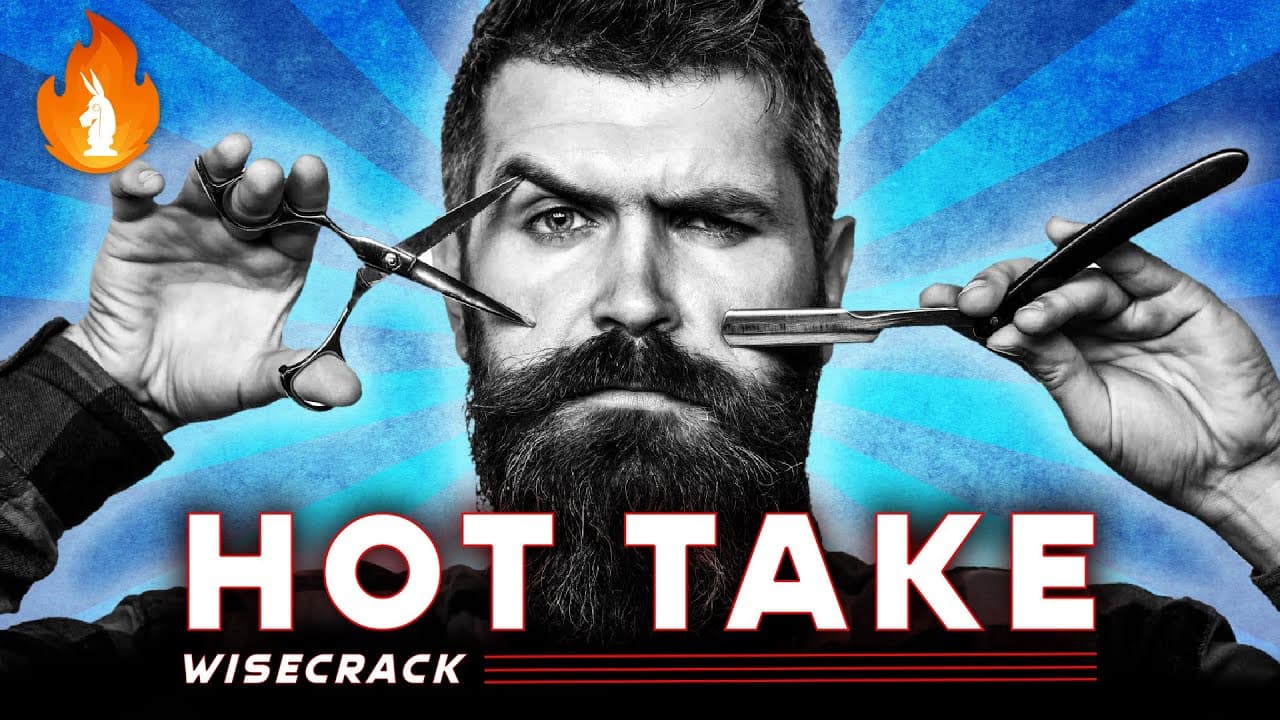
The show "Hot Take" features a debate format where a defendant defends an outlandish claim, while the prosecution attempts to dismantle it. In this episode, the defendant argues that haircuts are a scam due to excessive pricing.
-
The debate includes various perspectives on the value of haircuts as a service, discussing factors like trends, personal time, and emotional value associated with getting haircuts from professionals versus doing it oneself.
-
The conversation dives into historical trends, likening the economy behind haircuts to broader socio-economic factors, with the defendant asserting that the haircut industry capitalizes on societal norms to inflate prices.
Read in Other Languages (beta)
Share This Summary 📚
Summarize YouTube Videos and Get Video Transcripts with 1-Click
Try YouTube Summary with ChatGPT & Claude or YouTube Transcript Generator