How to Resolve Debt Problems: Insights from Attorney John Skiba
TL;DR
To resolve debt problems effectively, understanding your specific situation is crucial, including the type of debt, available assets, and state laws. Bankruptcy options like Chapter 7 and Chapter 13 each have different implications for asset retention and repayment plans. Consulting with a licensed bankruptcy attorney can provide tailored guidance based on your circumstances.
Transcript
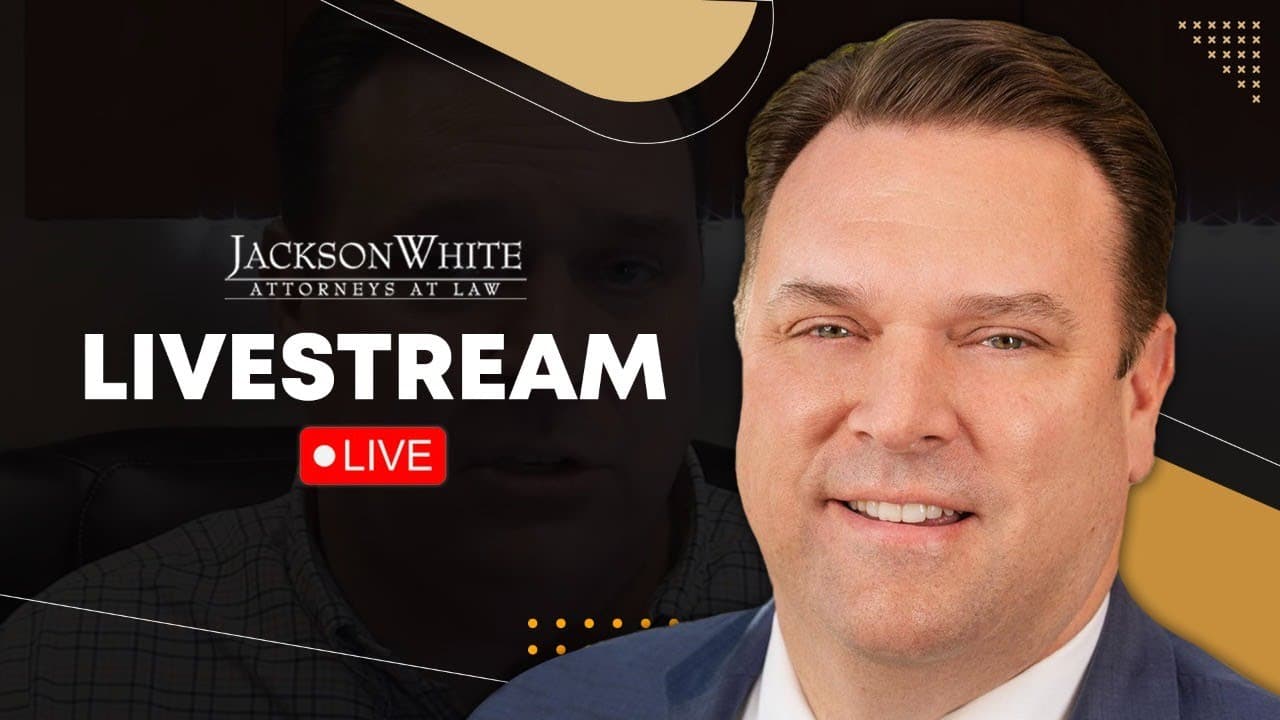
hey everybody welcome back to the consumer warrior youtube channel i'm john skiba i am a consumer protection and bankruptcy attorney in the state of arizona and each and every thursday night we meet here on youtube and talk about all things debt related whether it's debt collection lawsuits whether you're dealing bankruptcies wage garnishments all ... Read More
Key Insights
- 💳 Chapter 7 bankruptcy eliminates personal loans, credit card debts, and medical bills, but assets may be seized and sold to distribute funds to creditors based on exemption laws.
- 🪘 Secured debts, like financed equipment, can be retained in Chapter 7 bankruptcy as long as payments continue.
- 👻 Chapter 13 bankruptcy allows for the repayment of debts over five years and brings order to debt management, but you may end up paying more than in Chapter 7.
- 😨 Recovering from bankruptcy is often quicker than anticipated, and obtaining car loans and mortgages can be possible after a bankruptcy depending on your circumstances.
- 💳 Creditors are not obligated to report debts on credit reports, so the absence of a debt on the report does not necessarily mean it cannot be sued on.
- 🍵 Fair Debt Collection Practices Act (FDCPA) violations can be grounds for legal action, and consumers can hire attorneys on a contingency basis to handle FDCPA cases.
Install to Summarize YouTube Videos and Get Transcripts
Explore YouTube Video Summarizer or Get YouTube Transcript Extractor
Questions & Answers
Q: Can a sole proprietor lose business equipment in Chapter 7 bankruptcy?
Possibly, because a sole proprietor and the business are treated as one, and Chapter 7 may allow assets to be seized and sold for creditors. Whether equipment is protected depends on the exemption laws in the filer’s state.
Q: Can financed business equipment be kept in Chapter 7 bankruptcy?
Usually, financed equipment can be kept if payments continue because the bank has a lien on it. The court may have little reason to seize equipment if selling it would primarily pay off the secured lender.
Q: How does Chapter 7 bankruptcy address unsecured debts and assets?
Chapter 7 can eliminate personal loans, credit card debt, and medical bills. The trade-off is that unprotected assets may be seized, sold, and used to make a distribution to creditors.
Q: What bankruptcy exemptions may protect property?
Exemption laws can protect property such as a home, retirement accounts, household goods, and vehicles. Some states may also provide a wildcard exemption for general assets, so the applicable protections depend on state law.
Q: Would Chapter 13 protect business equipment from liquidation?
John Skiba says assets are not lost in Chapter 13. The trade-off is that the filer must pay money to creditors over a period of time.
Q: Should a business owner consult a local bankruptcy attorney?
Yes, especially because bankruptcy involving a business can be more complicated than a standard Chapter 7 case. A local attorney can evaluate the state’s exemption laws and how they apply to business assets.
Q: How many times can someone negotiate a debt settlement with a law firm?
Negotiations can continue as many times as needed to reach a deal. John Skiba says there may be repeated rounds of offers and counteroffers, and the law firm may request financial documents before accepting a settlement.
Q: Does John Skiba provide legal advice outside Arizona?
No, he states that he is licensed only in Arizona and cannot conduct appointments for people in other states. He recommends contacting an attorney licensed in the relevant state for specific legal advice.
Summary & Key Takeaways
-
The Q&A session covers various debt-related topics, including debt collection lawsuits, bankruptcies, wage garnishments, and debt settlement.
-
The bankruptcy attorney provides insights on specific questions, such as the possibility of losing business equipment in Chapter 7 or Chapter 13 bankruptcy as a sole proprietor.
-
Exemptions and secured debts are discussed, highlighting the importance of understanding state-specific laws to protect assets in bankruptcy.
-
The attorney also addresses questions on settling debts with law firms, dealing with identity theft in mediation, removing or discharging IRS tax liens, and negotiating with junk debt buyers.
Read in Other Languages (beta)
Share This Summary 📚
Summarize YouTube Videos and Get Video Transcripts with 1-Click
Try YouTube Summary with ChatGPT & Claude or YouTube Transcript Generator
Explore More Summaries from Consumer Warrior 📚
Summarize YouTube Videos and Get Video Transcripts with 1-Click
Try YouTube Summary with ChatGPT & Claude or YouTube Transcript Generator