Where Are the Weirdest Places Fossils Have Been Found?
TL;DR
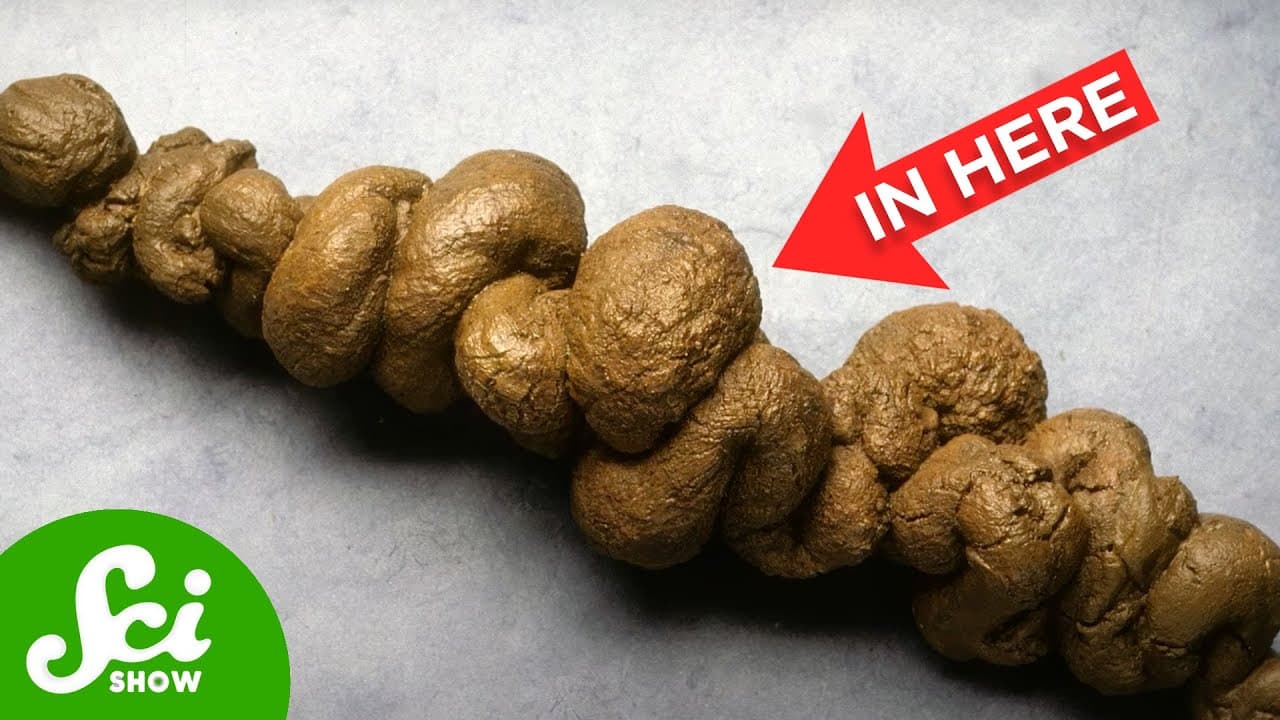
Fossils have been discovered in surprising places, such as ancient animal poop, forgotten museum collections, and even restaurant courtyards containing dinosaur footprints. These odd finds illustrate how fossil-hunting can lead to unexpected discoveries and emphasize the role of luck, keen observation, and sometimes even ants in paleontological research.
Transcript
This SciShow video is supported by Linode. You can go to linode.com/scishow to learn more and get a $100 60-day credit on a new Linode account. [ intro ] In many fields of science, discoveries can be made in really oddball, unexpected locations and circumstances. We’ve covered a few of those lucky discoveries in a previous video. But that’s probabl... Read More
Key Insights
- 🥇 Fossils can be found in unexpected places, including animal coprolites and museum collections.
- 👣 Dinosaur footprints may be hidden in everyday locations such as restaurant courtyards.
- 🤑 The Jura region in France is known for its wines and fossil-rich quarries.
- 👷 Harvester ants can unintentionally collect and transport fossilized remains during the construction of their nests.
- 🌱 Rediscovered fossil dig sites provide valuable opportunities for paleobotanists to study ancient plant species.
- 🤞 Paleontological research often requires a combination of tools, planning, and a bit of luck.
- 😶🌫️ Linode, a cloud computing provider, offers resources and tools for businesses and individuals to navigate the online world efficiently.
- 🥳 Linode supports SciShow videos and offers a $100 60-day credit on a new Linode account for SciShow viewers.
Install to Summarize YouTube Videos and Get Transcripts
Explore YouTube Video Summarizer or Get YouTube Transcript Extractor
Questions & Answers
Q: What can we learn from coprolites?
Coprolites, or fossilized animal poop, can provide insights into the diets and lifestyles of ancient animals. They can also contain other fossils, such as ancient insects or plant remains.
Q: How did paleontologists rediscover the forgotten fossil of a bird species?
After being stored in a museum for 90 years, paleontologists revisited the fossil and realized it represented a new species. Further study revealed its significance as an ancestor of modern-day turkeys and grouses.
Q: How did dinosaur footprints end up in a restaurant courtyard?
A patron at the restaurant noticed the footprints on the courtyard floor and informed a paleontologist who further investigated the site. The footprints belonged to sauropods and are currently being studied.
Q: What are the unique features of the Jura region in France?
The Jura region is known for its wines and abundant fossil finds. The area has dinosaur footprints and various marine fossils, contributing to the distinctive flavors of Jura wines due to the iodine and salt content in the fossils.
Summary & Key Takeaways
-
Fossils in ancient animal poop, known as coprolites, provide valuable information about the diets of ancient animals and can contain other fossils as well.
-
Paleontologists rediscovered a forgotten fossil of a bird species in a museum after 90 years, realizing it was a new species and an ancestor of modern-day turkeys.
-
Dinosaur footprints were discovered in the floor of a restaurant courtyard in China, leading to ongoing research and study of the site.
-
The Jura region in France, known for its wines, is also abundant in ancient fossils, including dinosaur footprints and marine fossils.
Read in Other Languages (beta)
Share This Summary 📚
Summarize YouTube Videos and Get Video Transcripts with 1-Click
Try YouTube Summary with ChatGPT & Claude or YouTube Transcript Generator
Explore More Summaries from SciShow 📚
Summarize YouTube Videos and Get Video Transcripts with 1-Click
Try YouTube Summary with ChatGPT & Claude or YouTube Transcript Generator