What Is the Significance of Goddess Matara in Sanatan Dharma?
TL;DR
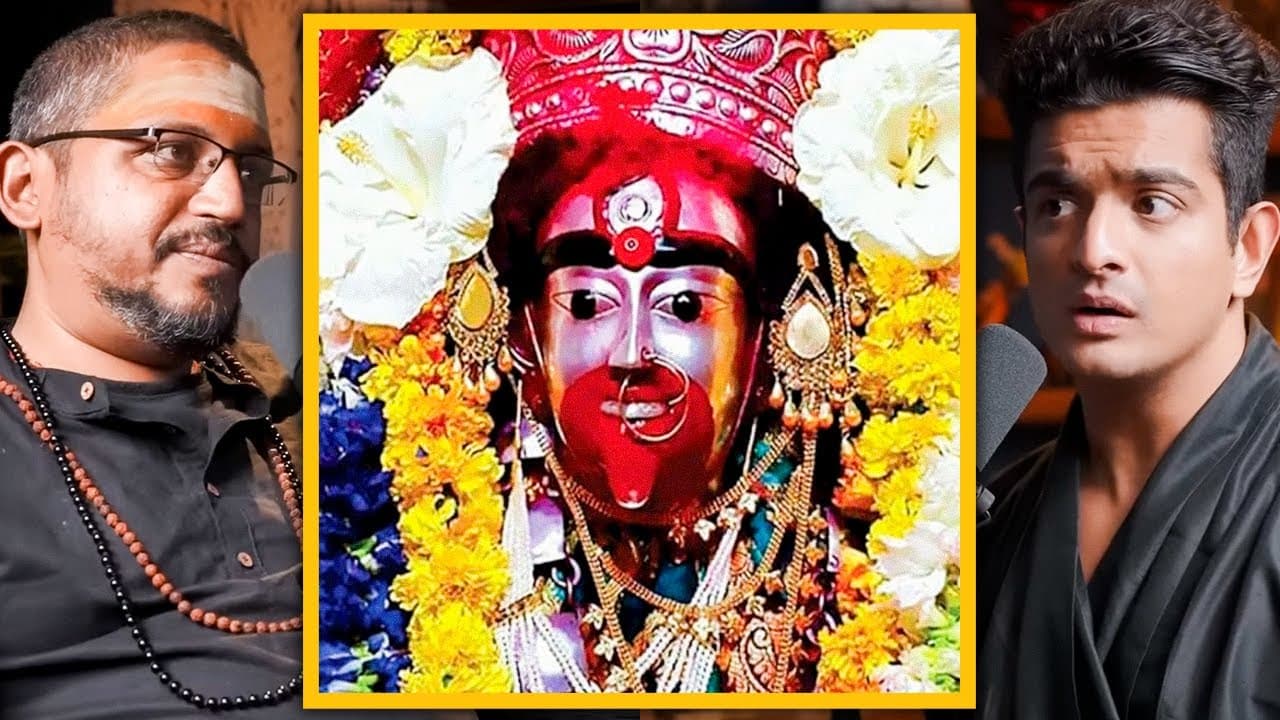
Goddess Matara symbolizes the removal of difficulties and possesses transformative powers, comparable to Buddhist Tara. Her iconography, featuring symbols like the blue lotus and skull, reflects her spiritual significance. Worship of Matara offers fierce maternal protection and guidance through personal challenges, emphasizing her role in spiritual practice.
Transcript
welcome to TRS Clips where you'll find happiness through your own curiosity I remember asking a friend of mine what matara is in sanatan DH because matara has a whole identity in Tibetan Buddhism right where they have 21 Tas I would argue that it's the same core dity that they're talking about or if it's not then the 21 Buddhist taras have to be so... Read More
Key Insights
- 🫚 Matara's identity in Sanatan Dharma shares roots with Buddhist Tara, highlighting a common spirituality across cultural traditions.
- ❓ The importance of iconography is essential in recognizing the deeper meanings behind divine representations in religious practices.
- ✊ Matara wields transformative powers, guiding worshippers through crises with fierce maternal protection.
- 🆘 Her imagery is saturated with symbolic significance, helping practitioners to navigate their spiritual challenges effectively.
- 🛟 The speaker shares personal anecdotes, reinforcing the efficacy of worship practices in overcoming life's difficulties.
- ❓ There exists a nuanced difference between Matara and Kali, where both possess protective traits but with differing dynamics in their divine maternal qualities.
- 🛐 Matara's worship is accessible to all who seek her guidance, contingent on personal alignment with her energies.
Install to Summarize YouTube Videos and Get Transcripts
Explore YouTube Video Summarizer or Get YouTube Transcript Extractor
Questions & Answers
Q: What is the connection between Matara and Buddhist Tara as discussed in the video?
The speaker explains that Matara in Sanatan Dharma shares a core identity with Buddhist Tara, suggesting that the differing representations reflect a universal symbolic foundation. While the Buddhist tradition has expanded Tara's iconography into 21 forms, Matara's essence remains aligned with the concept of a protective deity, highlighting deeper spiritual affiliations across traditions.
Q: How does iconography play a role in understanding Matara?
The speaker emphasizes that observing the details in Matara's artwork, like the items she holds, is crucial for interpretation. For instance, the blue lotus symbolizes wisdom while skulls can indicate the transformation of perception. Such elements within her imagery provide insights into her spiritual significance and the meanings behind her worship.
Q: What are the key attributes of Matara that differentiate her from Kali?
Matara, as described, possesses a fierceness combined with a motherly aspect not commonly attributed to Kali. While both exhibit protective qualities, Matara’s approach is more nurturing amidst her fierce demeanor, enabling a more profound connection for practitioners seeking guidance through personal struggles.
Q: Can anyone worship Matara, or is it reserved for specific practitioners?
The speaker asserts that worshipping Matara is not exclusive to certain individuals. It depends on personal inclination and resonance with her energy. Anyone can access her virtues and blessings, provided they approach the practice sincerely and are open to transformation through her fierce yet nurturing influence.
Q: What does the speaker convey about personal experiences with Matara?
The speaker recounts transformative experiences linked to worshipping Matara. He stresses that difficulties often arose initially, leading to eventual solutions, reflecting her fierce protective nature. He emphasizes the necessity of tenacity and willingness to accept changes as integral to her guidance, underscoring the dynamic relationship between practitioner and deity.
Q: How does the symbolism within Matara's imagery inform her powers?
Symbolism in Matara’s imagery serves as a powerful means of understanding her divine functions. For example, the skull represents removal and transformation during spiritual practices, while the scissors denote cutting away the unnecessary from life. These symbols together define her role as a protector and transformational figure in a devotee's spiritual journey.
Summary & Key Takeaways
-
The video delves into the origins and representations of Matara in Sanatan Dharma, suggesting her connections to Buddhist Tara through iconography and powers attributed to them.
-
It highlights the significance of symbolism in Tarot's image, emphasizing how elements like the blue lotus and skull contribute to understanding her roles in spiritual practices and personal challenges.
-
The speaker shares personal experiences with worshipping Matara, noting her fierce protective qualities and transformative ability to guide practitioners through life's difficulties.
Read in Other Languages (beta)
Share This Summary 📚
Summarize YouTube Videos and Get Video Transcripts with 1-Click
Try YouTube Summary with ChatGPT & Claude or YouTube Transcript Generator
Explore More Summaries from TRS Clips 📚



Summarize YouTube Videos and Get Video Transcripts with 1-Click
Try YouTube Summary with ChatGPT & Claude or YouTube Transcript Generator