How Acting Reveals Insights into Consciousness
TL;DR
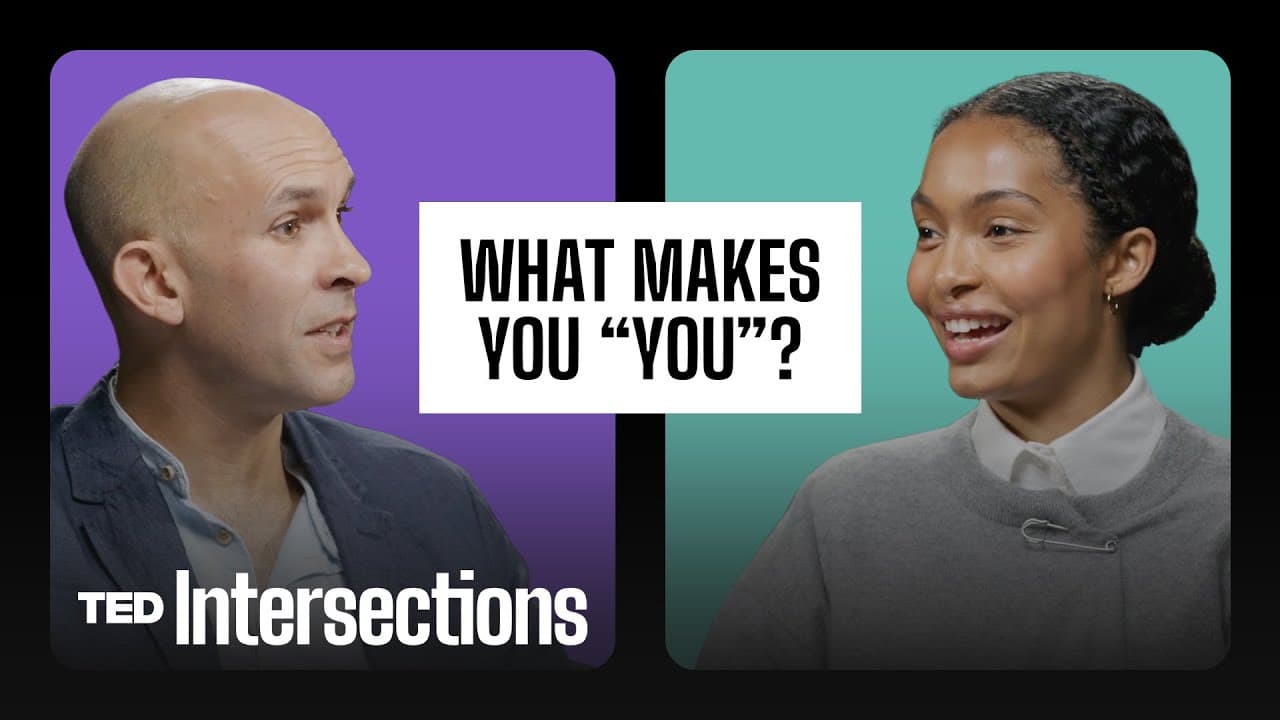
Acting provides a unique lens into understanding consciousness by allowing actors to explore different aspects of self and identity. Yara Shahidi and Anil Seth discuss how embodying characters can enhance self-awareness and offer insights into human consciousness, challenging traditional notions of identity and the mind-body connection.
Transcript
when you perform an action on stage like something even simple picking up a mug of coffee and do you feel a sense of agency or free will or intentionality about that or is it more that you're observing your body do something i' I've never really thought about it in those terms I think I'm always striving to mimic that automated response that I have... Read More
Key Insights
- Acting is a tool for exploring consciousness and identity, allowing actors to delve into different aspects of self.
- Yara Shahidi finds acting helps her understand her own identity by embodying different characters.
- Anil Seth views consciousness as a complex interplay between mind and body, not easily replicated by AI.
- The experience of being a self involves multiple components, including agency, perspective, and social identity.
- AI systems are not conscious but can mimic human-like interactions, challenging perceptions of sentience.
- Acting requires empathy and imagination, as actors project their own experiences onto fictional scenarios.
- Consciousness research reveals the impermanence and evolving nature of self, aligning with philosophical ideas.
- Understanding consciousness has practical implications for mental health, ethics, and technology development.
Install to Summarize YouTube Videos and Get Transcripts
Explore YouTube Video Summarizer or Get YouTube Transcript Extractor
Questions & Answers
Q: How does acting help in understanding consciousness?
Acting allows individuals to explore different aspects of their identity and consciousness by embodying various characters. This process can enhance self-awareness and provide insights into the nature of human consciousness, challenging traditional notions of identity and the mind-body connection. Through acting, one can reflect on personal experiences and emotions, offering a unique perspective on self-exploration.
Q: What insights does Yara Shahidi gain from acting?
Yara Shahidi finds that acting helps her understand her own identity by allowing her to embody different characters. This experience provides a deeper understanding of self and consciousness, as she projects her own experiences onto fictional scenarios. Acting challenges her perceptions of identity and enhances her empathy, offering a unique lens into human consciousness.
Q: How does Anil Seth view consciousness?
Anil Seth views consciousness as a complex interplay between mind and body, involving multiple components such as agency, perspective, and social identity. He believes that consciousness is not easily replicated by AI, emphasizing the unique human experience of self-awareness. His research highlights the evolving and impermanent nature of self, aligning with philosophical ideas about identity.
Q: Why is AI not considered conscious?
AI systems, despite their advanced capabilities, are not considered conscious because they lack the subjective experiences and self-awareness that characterize human consciousness. While AI can mimic human-like interactions, it does not possess the experiential qualities of consciousness, such as emotions and self-reflection. Anil Seth argues that AI's apparent sentience is a projection of human attributes onto these systems.
Q: What role does empathy play in acting?
Empathy is crucial in acting, as it enables actors to connect with their characters and project their own experiences and emotions onto fictional scenarios. This empathetic engagement allows actors to inhabit their roles more authentically and explore different aspects of human consciousness. By understanding and empathizing with their characters, actors can gain insights into their own identities and the nature of self.
Q: How does consciousness research impact mental health and ethics?
Research into consciousness has significant implications for mental health and ethics, as it challenges outdated views and informs new approaches to treatment and understanding. By exploring the complexities of consciousness, researchers can develop better strategies for addressing mental illness and ethical considerations regarding non-human animals and patients with brain injuries. This research also informs the ethical development of AI technologies.
Q: What philosophical ideas align with consciousness research?
Consciousness research aligns with philosophical ideas such as the impermanence and evolving nature of self, as seen in traditions like Buddhism. This perspective emphasizes the transient and dynamic aspects of identity, encouraging a more flexible and open understanding of self. By recognizing the changing nature of consciousness, individuals can approach their identities and experiences with greater awareness and acceptance.
Q: How do actors balance their roles and personal identities?
Actors balance their roles and personal identities by immersing themselves in their characters while maintaining a strong sense of self outside of their work. Yara Shahidi, for example, finds stability by engaging with her personal life and relationships, which helps anchor her identity. This balance allows actors to explore different aspects of consciousness through their roles without losing touch with their own identities.
Summary & Key Takeaways
-
Acting offers a profound way to explore consciousness, as discussed by Yara Shahidi and Anil Seth. By portraying different characters, actors can gain insights into their own identities and the nature of consciousness. This dialogue highlights how acting challenges traditional notions of self and mind-body connection, offering a unique perspective on human experience.
-
Yara Shahidi shares her experience of acting as a means to understand her identity, while Anil Seth elaborates on the complexity of consciousness. They explore how acting and neuroscience intersect, revealing the multifaceted nature of self and the challenges posed by AI in replicating consciousness. This conversation provides valuable insights into the evolving understanding of identity.
-
The discussion between Yara Shahidi and Anil Seth emphasizes the role of acting in exploring consciousness. By embodying characters, actors can reflect on their own identities and the nature of self, offering a unique perspective on human consciousness. The conversation also touches on the implications of AI and the philosophical aspects of self-awareness.
Read in Other Languages (beta)
Share This Summary 📚
Summarize YouTube Videos and Get Video Transcripts with 1-Click
Try YouTube Summary with ChatGPT & Claude or YouTube Transcript Generator
Explore More Summaries from TED 📚



Summarize YouTube Videos and Get Video Transcripts with 1-Click
Try YouTube Summary with ChatGPT & Claude or YouTube Transcript Generator