How Brain Surgery Inspired a Reproductive Health Revolution
TL;DR
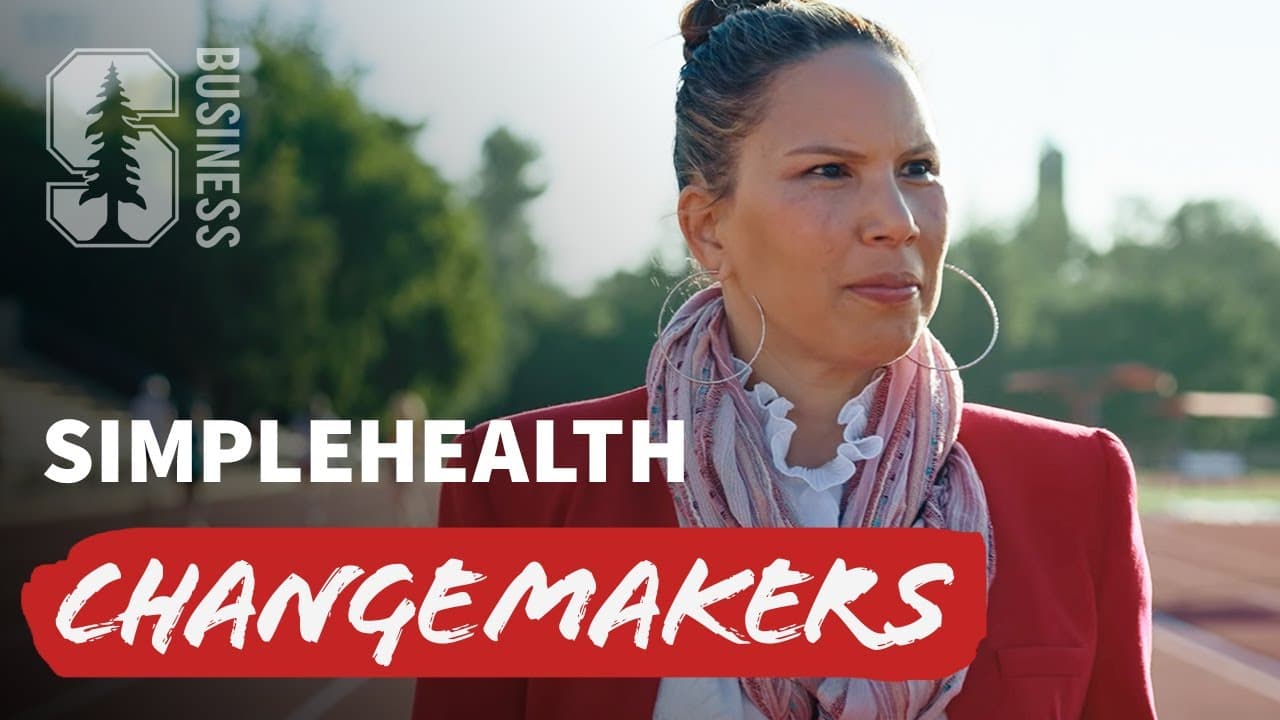
A person diagnosed with dystonia transformed their life through brain surgery, regaining mobility and ultimately founding a reproductive care company. This innovative platform focuses on judgment-free healthcare for marginalized communities, offering discreet consultations and prescriptions online.
Transcript
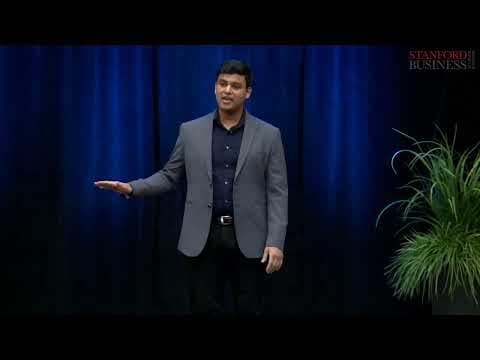
[MUSIC] I was diagnosed with dystonia when I was 12. [MUSIC] Dystonia is a neurological disease that basically means that some part of my brain is just a little bit unusual. For me, it was in one leg, then it was in my right hand. And then it was in my left leg. And then I had tremors. And then my speech was very slurred. I struggled with it throug... Read More
Key Insights
- 🧠 Overcoming obstacles, such as dystonia, can require finding innovative solutions and undergoing transformative experiences like brain surgery.
- 🥹 Physical activities like running can hold significant meaning for individuals who have undergone hardships, as they represent milestones and personal triumphs.
- 😨 Telehealth services, like the reproductive care company mentioned, offer a private and non-judgmental approach to healthcare, creating a more inclusive space for marginalized communities.
- ❓ Representation and diversity in the workforce can contribute to creating a more inclusive and empathetic company culture.
- 😃 Business schools, like Stanford, can provide valuable experiences and skills that empower individuals to dream big and make a positive impact in their chosen fields.
- 💪 The support and acceptance received from a strong community or "tribe" can fuel personal growth and leadership abilities.
- 😨 Privacy rights and access to quality healthcare, including reproductive care, should be universal and protected for all individuals.
Install to Summarize YouTube Videos and Get Transcripts
Explore YouTube Video Summarizer or Get YouTube Transcript Extractor
Questions & Answers
Q: What is dystonia and how did it impact the individual in this content?
Dystonia is a neurological disease that caused the person in the content to experience tremors, slurred speech, and mobility issues. It affected their ability to write, walk, and perform everyday tasks.
Q: How did brain surgery help the person with dystonia?
Brain surgery was a last-resort option for the individual, who, after careful analysis of the pros and cons, decided to undergo the procedure. The surgery resulted in a significant improvement in their mobility, allowing them to walk much faster and with less effort.
Q: Why did the individual decide to start running marathons?
The person embraced running as a way to challenge themselves and push their physical limits. They started with shorter races and gradually progressed to running a full marathon, fulfilling a long-held dream.
Q: What is the mission of the reproductive care company founded by the individual?
The company aims to provide reproductive care, starting with birth control, in a judgment-free and accessible manner. They prioritize the privacy of patients' healthcare needs and strive to address the healthcare disparities faced by marginalized communities.
Summary & Key Takeaways
-
The content highlights the personal journey of a person diagnosed with dystonia, a neurological disease, who overcame various obstacles and ultimately underwent brain surgery to regain mobility.
-
After the surgery, the individual experienced a remarkable improvement in their ability to walk and even started running marathons.
-
The person then went on to found a reproductive care company that offers online consultations and discreet prescription delivery, with a focus on marginalized communities.
Read in Other Languages (beta)
Share This Summary 📚
Summarize YouTube Videos and Get Video Transcripts with 1-Click
Try YouTube Summary with ChatGPT & Claude or YouTube Transcript Generator
Explore More Summaries from Stanford Graduate School of Business 📚


Summarize YouTube Videos and Get Video Transcripts with 1-Click
Try YouTube Summary with ChatGPT & Claude or YouTube Transcript Generator