How Much Protein You Really Need (According to Science)
TL;DR
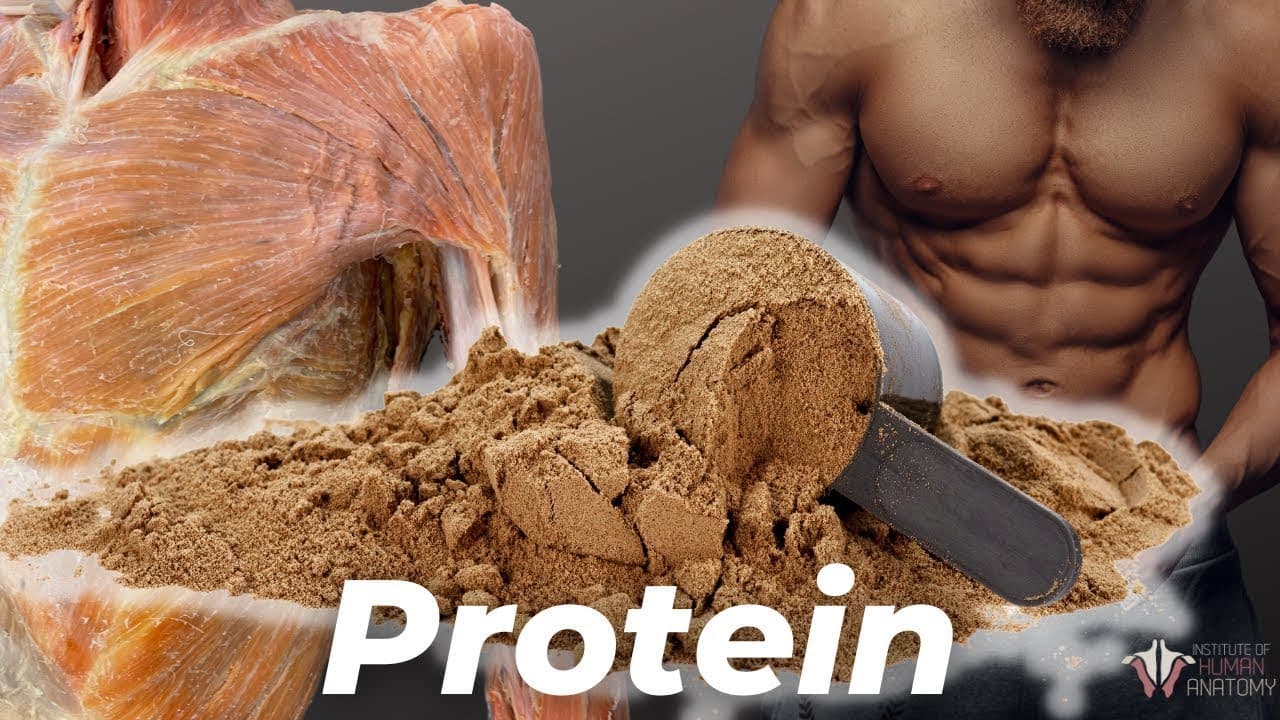
This video discusses the proper amount of protein intake for muscle building and performance, and highlights the importance of protein for various athletes and individuals.
Transcript
how much protein do you really need especially if the goal is to maintain or even build muscle now when I was younger and first trying to build muscle key word trying I was told by many people that I needed to consume one gram of protein per pound of body weight per day and for me at the time that would have been about 175 grams of protein each day... Read More
Key Insights
- 💪 Protein Intake for Muscle Building: The recommended protein intake for muscle building is 1.2 to 2.0 grams per kilogram of body weight per day, depending on the individual's goals and exercise intensity. This range is not only applicable to bodybuilders but also to endurance athletes like runners.
- 💡 Protein Structure and Function: Proteins are made up of amino acids, and the unique structure and sequence of amino acids determine the protein's function. Proteins are not only responsible for muscle tissue, but also enzymes, hormones, transport proteins, immune system proteins, and structural proteins.
- 📊 Measuring Protein Needs: Nitrogen balance is used to calculate protein needs. Positive nitrogen balance indicates that the body is building more protein than it is breaking down, which is essential for muscle growth. Negative nitrogen balance indicates muscle breakdown. Protein intake should meet or exceed nitrogen loss.
- 🔢 Recommended Dietary Allowance (RDA) for Protein: The RDA for protein is 0.8 grams per kilogram of body weight per day, which is the minimum amount required to meet basic nutritional needs. This is not sufficient for active individuals or athletes who require higher protein intake.
- 🔀 Individual Variations in Protein Needs: Protein needs vary among individuals due to differences in physiology, genetics, exercise intensity, and goals. It may be necessary to experiment to find the optimal protein intake for muscle maintenance, strength, or size goals.
- 📏 Protein Recommendations for Different Athletes: The protein intake recommendations vary for different athletes and exercise modalities. Recreational athletes should aim for above 1.0 grams per kilogram, while bodybuilders and hypertrophy-focused athletes should aim for 2.0 grams per kilogram. Ultra-endurance athletes may need to cycle their protein intake between 1.2 and 2.0 grams per kilogram.
- 🔄 Cycling Protein Intake and Muscle Building Phases: Some athletes, particularly bodybuilders, cycle their training phases between muscle building and muscle maintenance. During muscle building phases, higher protein intake is necessary to support muscle growth, while lower protein intake may be sufficient during maintenance phases.
- 🚫 Safety Concerns with High Protein Intake: Exceeding the upper limit of 2.5 grams per kilogram may pose safety concerns related to ammonia toxicity. The liver converts ammonia to urea, but there is a maximum rate of conversion. Going above the upper limit increases the risk of exceeding the conversion rate, leading to potential toxicity.
Install to Summarize YouTube Videos and Get Transcripts
Explore YouTube Video Summarizer or Get YouTube Transcript Extractor
Questions & Answers
Q: What role do amino acids play in protein synthesis and muscle tissue development?
Amino acids are the building blocks of proteins and play a crucial role in protein synthesis, which is necessary for muscle tissue development. During protein synthesis, amino acids are bonded together to form proteins, which contribute to muscle growth and repair.
Q: How does protein breakdown and nitrogen balance affect muscle maintenance and growth?
Protein breakdown and nitrogen balance play a crucial role in muscle maintenance and growth. When protein breakdown exceeds protein intake, a negative nitrogen balance occurs, which can lead to muscle loss. On the other hand, a positive nitrogen balance, where protein intake exceeds breakdown, is necessary for muscle growth.
Q: Can a caloric deficit impact protein utilization and muscle maintenance?
Yes, during a caloric deficit, the body may prioritize the use of protein as an energy source, which can impact muscle maintenance. To offset this, individuals in a caloric deficit may need to increase their protein intake to ensure sufficient protein is available for muscle maintenance and to reduce the risk of muscle loss.
Q: Is there a maximum safe limit for protein intake, especially for bodybuilders?
The maximum safe limit for protein intake is typically around 2.5 grams per kilogram of body weight. Going beyond this limit can put strain on the body's ability to convert ammonia, a byproduct of protein breakdown, into urea, which can lead to potential health risks. It is important to balance protein intake with overall dietary needs and consult with a healthcare professional if considering higher levels of protein intake.
Summary & Key Takeaways
-
Proteins are made up of amino acids and play a crucial role in various bodily functions, including muscle tissue.
-
The recommended dietary allowance (RDA) for protein is 0.8 grams per kilogram of body weight per day, but for individuals involved in higher intensity exercise, the range can vary from 1.2 to 2 grams per kilogram of body weight per day.
-
Different types of athletes require different amounts of protein, with bodybuilders and hypertrophy-focused trainers needing higher protein intake.
-
Ultra endurance athletes may require protein intake in the higher range as well, due to increased protein breakdown during long training sessions.
Questions:
-
What role do amino acids play in protein synthesis and muscle tissue development?
-
Why do different types of athletes require different amounts of protein?
-
How does protein breakdown and nitrogen balance affect muscle maintenance and growth?
-
Can a caloric deficit impact protein utilization and muscle maintenance?
-
Is there a maximum safe limit for protein intake, especially for bodybuilders?
-
How can individual differences in physiology and genetics impact protein requirements?
-
What are the potential risks of consuming too much or too little protein for athletic performance?
-
Are there any non-muscle-related benefits of protein intake?
Answer:
Q: What role do amino acids play in protein synthesis and muscle tissue development?
Amino acids are the building blocks of proteins and play a crucial role in protein synthesis, which is necessary for muscle tissue development. During protein synthesis, amino acids are bonded together to form proteins, which contribute to muscle growth and repair.
Read in Other Languages (beta)
Share This Summary 📚
Summarize YouTube Videos and Get Video Transcripts with 1-Click
Try YouTube Summary with ChatGPT & Claude or YouTube Transcript Generator
Explore More Summaries from Institute of Human Anatomy 📚
Summarize YouTube Videos and Get Video Transcripts with 1-Click
Try YouTube Summary with ChatGPT & Claude or YouTube Transcript Generator