How Climate Change Affects Ocean Life | Compilation
TL;DR
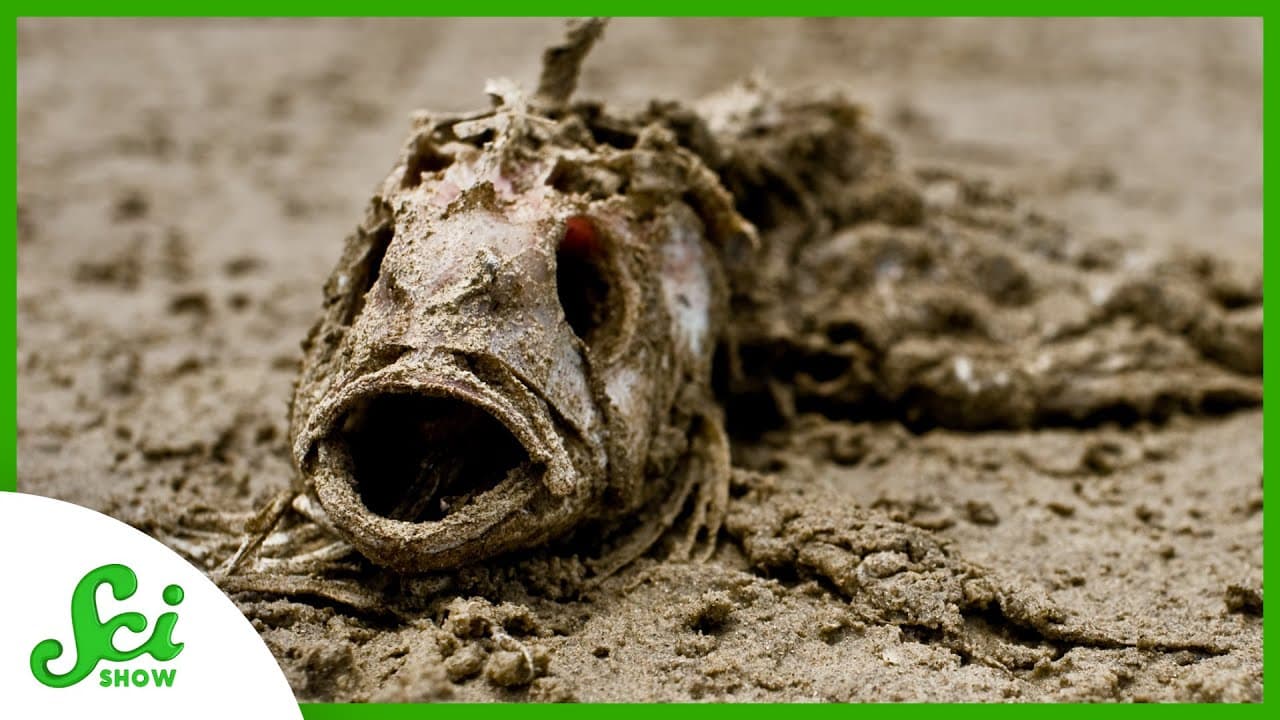
Climate change affects oceanic life, as seen through the mass stranding of red crabs and the migration of three-line mud snails in the wrong direction.
Transcript
this episode is sponsored by ren a website that helps fund projects to combat the climate crisis click the link in the description to learn more about how you can make a monthly contribution to support projects like rainforest protection programs we can see the effects of the climate crisis in many different ways here on land but climate change als... Read More
Key Insights
- 🫥 Climate change affects oceanic life in various ways, including strandings of red crabs and the migration of three-line mud snails in the wrong direction.
- 🌊 Mass strandings of red crabs are linked to large-scale climate events like El Niño and provide insights into changes in ocean currents and warming waters.
- 😋 The movements of red crabs are influenced by ocean and climate patterns such as upwelling, impacting their food availability and breeding seasons.
- 🫥 The migration of three-line mud snails towards warmer waters showcases the vulnerability of bottom-dwelling species to climate change.
- 🐳 Seaweed farming and the restoration of whale populations are potential solutions to mitigate the impacts of climate change on oceanic life.
- 😋 Seaweed farms can absorb carbon dioxide, reduce ocean acidification, and provide sustainable alternatives for food, fertilizer, and biofuel production.
- 🤑 Whale populations play a crucial role in carbon storage through their iron-rich poop, promoting phytoplankton blooms that absorb carbon dioxide and benefit marine ecosystems.
Install to Summarize YouTube Videos and Get Transcripts
Explore YouTube Video Summarizer or Get YouTube Transcript Extractor
Questions & Answers
Q: How do red crabs indicate the effects of climate change on the ocean?
Red crabs, usually found off the coast of Baja California, wash up on California shores during El Niño events, signifying changes in ocean currents and warming waters caused by climate change.
Q: How do red crabs benefit from upwelling?
Areas of upwelling provide nutrient-rich waters, which support the growth of plankton, the main food source of red crabs. They move with the upwelling to ensure a steady food supply.
Q: Why do red crabs wash up on shore during El Niño events?
During El Niño, warm currents flow northward from South America, carrying red crabs away from their usual habitats in Baja California, resulting in mass strandings on California beaches.
Q: How are three-line mud snails affected by climate change?
Due to warmer waters, three-line mud snails are migrating in the wrong direction, towards shallower and warmer waters closer to the shore, instead of cooler deep waters, impacting their survival and population growth.
Summary & Key Takeaways
-
Mass strandings of red crabs, which are usually found off the coast of Baja California, indicate unusual oceanic activities caused by climate change.
-
The movements of red crabs are linked to ocean and climate patterns, such as upwelling, impacting their food availability and breeding seasons.
-
The migration of three-line mud snails in the wrong direction due to warmer waters showcases the vulnerability of bottom-dwelling species to climate change.
Read in Other Languages (beta)
Share This Summary 📚
Summarize YouTube Videos and Get Video Transcripts with 1-Click
Try YouTube Summary with ChatGPT & Claude or YouTube Transcript Generator
Explore More Summaries from SciShow 📚
Summarize YouTube Videos and Get Video Transcripts with 1-Click
Try YouTube Summary with ChatGPT & Claude or YouTube Transcript Generator