What Does Junot Diaz Say About Art and Privilege?
TL;DR
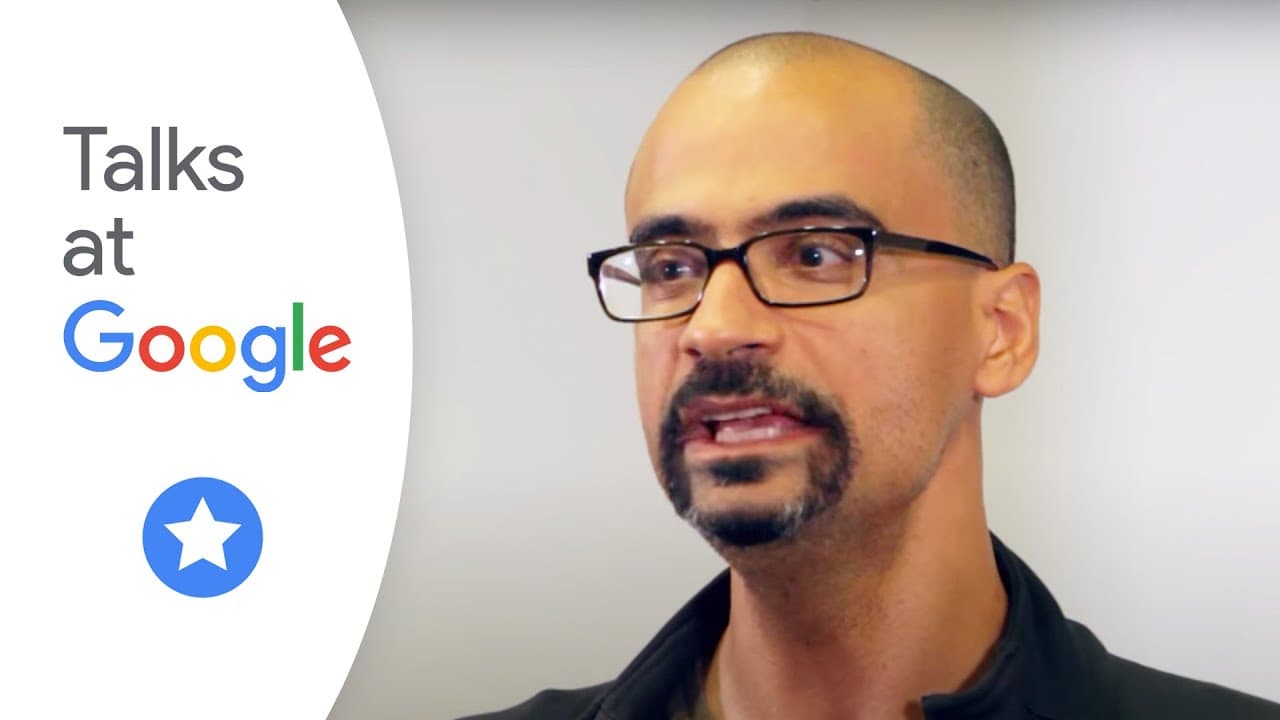
Junot Diaz argues that art plays a vital role in addressing societal issues such as privilege, race, and the consequences of violence. He emphasizes that privilege is predatory, harming both the privileged and marginalized. Diaz advocates for grassroots movements to promote and support the arts, highlighting its importance in fostering understanding and connection across diverse backgrounds.
Transcript
[Music plays] >>Rick Kleffel: Ladies and gentlemen, can you please turn on your cell phones in case you get a better offer. [Laughter]
Rick Kleffel: Where you've come from is gone. Where you think you're going to never existed and where you are is no good unless you can get away. Where is there a place for you to be? Nowhere. But if you've got a ... Read More
Key Insights
- 🧑🎨 Artists have a crucial role in addressing and discussing topics that society often avoids, such as the consequences of rape, race issues, and the impacts of privilege.
- 🐎 Privilege, whether based on masculinity or race, is predatory and harmful to both the privileged and the marginalized.
- 🥰 The promotion and support of art and literature need to be a grassroots movement, with individuals actively engaging in and championing the arts.
Install to Summarize YouTube Videos and Get Transcripts
Explore YouTube Video Summarizer or Get YouTube Transcript Extractor
Questions & Answers
Q: How does Junot Diaz view his role in promoting and discussing important but uncomfortable topics through his writing?
Diaz believes that it is essential for artists to tackle topics that are often ignored or avoided in society to bring about understanding and change. He sees his role as both personally understanding his experiences and creating a space for others to relate and engage in these discussions.
Q: How does Diaz view privilege, particularly in relation to masculinity and race?
Diaz describes privilege as predatory, eating away at both the privileged themselves and those affected by it. He emphasizes that white supremacy is deeply ingrained in all of society and highlights the need for white individuals to acknowledge and address their privilege.
Q: How does Diaz believe that society can support and promote the arts and humanities?
Diaz acknowledges the challenges artists face, particularly in a world that prioritizes economic outcomes. He proposes that support for art and literature needs to be a grassroots movement, with individuals forming book groups, attending cultural events, and engaging in conversations about the arts. He also stresses the importance of championing the centrality and fundamental importance of art, particularly in institutions like MIT.
Summary & Key Takeaways
-
Junot Diaz emphasizes the crucial role of artists in addressing and discussing topics that society often avoids, such as the consequences of rape, race issues, and the impacts of privilege.
-
He believes in the power of storytelling to create understanding and connect people from different backgrounds and experiences.
-
Diaz recognizes the challenges artists face in a society that prioritize economic outcomes and STEM fields, but he remains optimistic about the impact of art.
Read in Other Languages (beta)
Share This Summary 📚
Summarize YouTube Videos and Get Video Transcripts with 1-Click
Try YouTube Summary with ChatGPT & Claude or YouTube Transcript Generator
Explore More Summaries from Talks at Google 📚

Summarize YouTube Videos and Get Video Transcripts with 1-Click
Try YouTube Summary with ChatGPT & Claude or YouTube Transcript Generator