Why Did Old Hollywood Stars Lose Control?
TL;DR
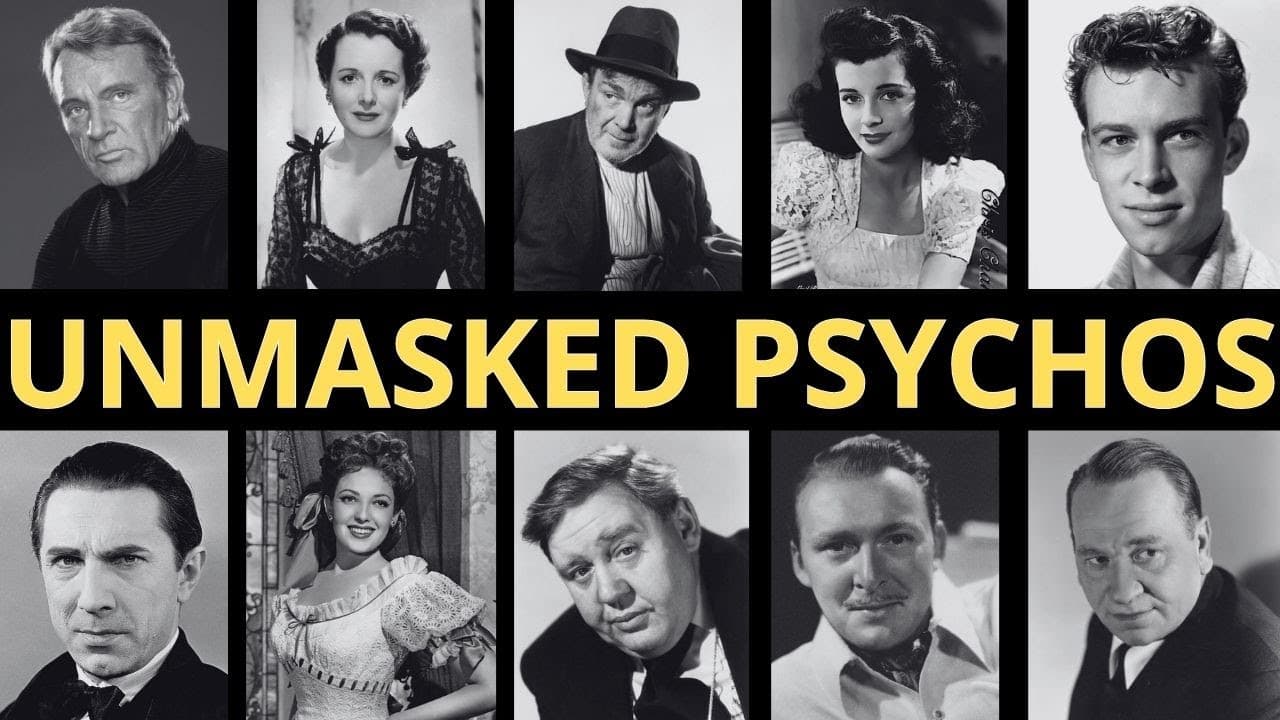
The account portrays classic Hollywood fame as a shield that allowed destructive conduct and private compulsions to remain hidden. Through stories about Wallace Beer, Albert Decker, Linda Darnell, and Charles Lorton, it connects alleged violence, dangerous rituals, alcohol dependence, fascination with fire, and psychological cruelty to studio secrecy, personal collapse, and carefully maintained public images.
Transcript
Stop. Don't you dare blink. Because right now, I'm about to lance an abscess Hollywood has been coating in gold paint for nearly a hundred years. You believed those flawless smiles. You admired their nobility. Forget all of it. We're going down into the basement of the Dream Factory where screen legends turned into uncontrollable beasts. These were... Read More
Key Insights
- The central argument is that Hollywood studios protected valuable stars by managing publicity, suppressing damaging accounts, and preserving marketable public personas even when private conduct allegedly became dangerous.
- Wallace Beer is portrayed as a rough but kindhearted screen figure whose alleged off-camera behavior included physical cruelty, intimidation, and participation in the beating that preceded Ted Healey's death in 1937.
- The account claims MGM responded to the Ted Healey scandal by threatening or bribing witnesses, sending Wallace Beer to Europe, and benefiting from a police decision to close the case for lack of evidence.
- Albert Decker is presented as a respected actor and California State Assembly member whose public commitment to morality contrasted sharply with the dangerous private compulsions described after his death.
- Albert Decker's death is characterized as accidental suffocation during an extreme sexual ritual involving restraints, a noose, tape, hypodermic needles, and other people who allegedly left with his valuables.
- Linda Darnell is portrayed as a former 20th Century Fox star whose professional decline, financial problems, broken marriages, and heavy drinking contributed to increasingly erratic behavior.
- Linda Darnell's fascination with fire is described as developing from childhood fear into prolonged attention to flames and alleged incidents involving scorched carpets, singed curtains, and ash in hotel rooms.
- Charles Lorton is introduced as a celebrated British performer whose alleged loss of control took the form of calculated psychological cruelty and a need to dominate people on film sets.
Install to Summarize YouTube Videos and Get Transcripts
Explore YouTube Video Summarizer or Get YouTube Transcript Extractor
Questions & Answers
Q: How does the account portray Hollywood studio power?
Hollywood studio power is portrayed as a protective system built around commercially valuable performers. In the Wallace Beer story, MGM allegedly threatened or bribed witnesses, benefited from police cooperation, sent Beer to Europe, and helped recast Ted Healey's death as an alcohol-related accident. The broader claim is that reputation management could shield stars while injured people and their families received no meaningful justice.
Q: What allegedly happened between Wallace Beer and Ted Healey?
The account alleges that Wallace Beer and two accomplices encountered Ted Healey in the parking lot of the Trokado nightclub in Los Angeles during 1937. Healey had been celebrating the birth of his son. Beer supposedly joined a severe beating, and Healey was found dead in bed the following morning. The official report cited acute alcohol poisoning and cerebral hemorrhage, while the narration attributes his death to the assault.
Q: Why does the account describe Wallace Beer as uncontrollable?
Wallace Beer is described as uncontrollable because the narration attributes repeated cruelty to him and claims institutional protection removed meaningful consequences. Beyond the alleged Ted Healey beating, child actress Margaret O'Brien is said to have recalled Beer pinching her until she bruised because he disliked child actors. The account argues that studio influence effectively gave him permission to continue behaving violently.
Q: How was Albert Decker reportedly found dead?
Albert Decker was reportedly discovered in his Hollywood Hills apartment on May 5, 1968, after being dead for several days. The account describes him wearing women's lingerie and high heels, with his hands restrained, a noose attached to a shower rod, tape covering his eyes and mouth, lipstick writing across his body, and hypodermic needles embedded in both arms.
Q: What explanation does the account give for Albert Decker's death?
The account says investigators concluded that Albert Decker died accidentally during a dangerous ritual involving self-inflicted suffocation. It also claims other people may have participated after being admitted into his home, but leaves unresolved whether excessive drugs or abandonment caused the fatal outcome. Those people allegedly departed with money and valuables, leaving Decker's body behind in the apartment.
Q: Why did Linda Darnell become increasingly unstable?
Linda Darnell's instability is attributed to professional rejection, lost contracts, financial decline, broken marriages, isolation, and heavy alcohol use. The narration says Hollywood began replacing her with younger performers when she was around 30, worsening her despair. It also describes a childhood fear of fire that later became a fixation, with alleged burning incidents occurring in hotels where she stayed.
Q: How did Linda Darnell die according to the account?
Linda Darnell was staying with her former secretary in Chicago on April 10, 1965. After drinking and watching Stardust, an older film featuring her younger self, she reportedly experienced an alcoholic breakdown. A destructive fire began later that night, officially attributed to a lit cigarette. Firefighters rescued her alive but gravely injured, and she died several hours later without regaining consciousness.
Q: What kind of cruelty is attributed to Charles Lorton?
Charles Lorton is introduced as a celebrated British actor known for commanding performances and a powerful voice, but the account alleges that he behaved tyrannically in private. His cruelty is characterized not as physical violence but as calculated psychological sadism. The transcript says he sought total domination and used words to dissect and humiliate people publicly on film sets.
Summary & Key Takeaways
-
The narrative presents Wallace Beer as a beloved Oscar-winning performer whose friendly screen persona concealed alleged cruelty. It claims he participated in the 1937 beating of Ted Healey, after which MGM protected its valuable star by influencing witnesses, police, and publicity while sending Beer to Europe until the scandal subsided.
-
Albert Decker is depicted as a respected actor, intellectual, politician, and advocate for morality who maintained a dangerous private life. His body was reportedly discovered in his Hollywood Hills bathroom on May 5, 1968, after an extreme ritual involving restraints, suffocation, drugs, and unidentified participants apparently ended in accidental death.
-
Linda Darnell is portrayed as a celebrated 1940s beauty whose declining career, failed relationships, financial losses, alcohol use, and fascination with flames created increasing instability. The account connects that pattern to the fatal Chicago fire of April 10, 1965, although it identifies a lit cigarette as the official explanation.
Read in Other Languages (beta)
Share This Summary 📚
Summarize YouTube Videos and Get Video Transcripts with 1-Click
Try YouTube Summary with ChatGPT & Claude or YouTube Transcript Generator