Is TikTok the New Red Scare for America?
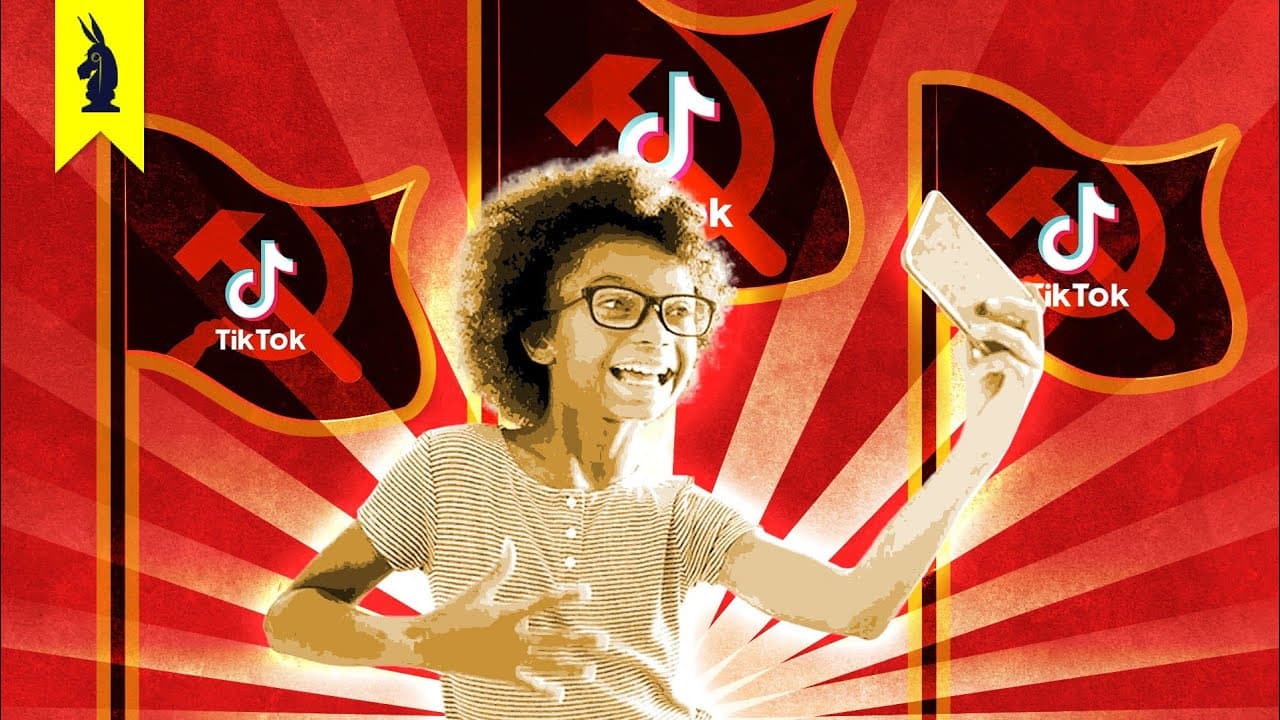
TL;DR
TikTok is viewed as a significant threat to American safety, sparking intense scrutiny from Congress primarily due to its Chinese ownership, which raises national security concerns. Comparisons to the Red Scare highlight fears about foreign influences, though experts argue that its data practices are similar to those of other social media platforms. This focus on TikTok may distract from the urgent need for comprehensive data privacy laws in the U.S.
Transcript
foreign there is a new growing threat to freedom and liberty everywhere and no I'm not talking about uh climate change or nuclear war or AI turning us all into glorified surfs I'm talking about this yeah Tick Tock calls to ban the absurdly popular platform reached a fever pitch when it was put under the microscope at a recent Congressional hearing ... Read More
Key Insights
- 🙃 TikTok's congressional hearings spotlight intensifying fears surrounding foreign-owned tech companies and their influence over American consumers.
- 😨 The narratives constructed around TikTok resemble previous moral panics in U.S. history, particularly the Red Scare, illustrating recurring themes of fear and political unity against perceived threats.
- ⚾ Despite TikTok's data practices being similar to those of its competitors, the political focus is largely driven by its ownership, breeding mistrust and targeting based on nationality.
- 💁 The debate about TikTok reflects an urgent need for comprehensive data protection laws in the U.S. to safeguard user information against exploitation from all entities, regardless of their country of origin.
- 👤 The competition from TikTok has pressured existing social media giants to innovate and rethink user engagement strategies, indicating a shift in the digital landscape.
- 🌚 Lobbying efforts by tech companies like Meta demonstrate the lengths to which corporations will go to maintain market dominance in the face of new competition.
- 🗯️ The current discourse around TikTok could have broader implications for digital rights, suggesting that regulatory actions may extend far beyond data privacy concerns.
Install to Summarize YouTube Videos and Get Transcripts
Explore YouTube Video Summarizer or Get YouTube Transcript Extractor
Questions & Answers
Q: Why is TikTok under such intense scrutiny compared to other social media platforms?
TikTok is being singled out primarily due to its Chinese ownership, which experts believe poses unique risks related to national security, particularly regarding user data being potentially accessible to the Chinese government. While many social media platforms collect user data, the fears around TikTok are amplified by geopolitical tensions, making it a focal point of concern for lawmakers.
Q: How does the current situation regarding TikTok mirror past historical events like the Red Scare?
The current scrutiny of TikTok resembles the Red Scare in that it reflects a broader societal anxiety about foreign influence and subversion. Just as communists were accused of undermining American values, lawmakers are now portraying TikTok as a tool for potential indoctrination by the Chinese Communist Party. This comparison highlights the cyclical nature of political fears surrounding perceived threats to national integrity.
Q: What are the potential implications of the proposed restrictions on TikTok?
Proposed restrictions, particularly under acts like the RESTRICT Act, could infringe on First Amendment rights by enabling broad government powers to ban foreign technology that facilitates communication. Such measures may create a dangerous precedent, affecting not only TikTok but potentially limiting free speech on various platforms, raising concerns about the implications for digital expression and privacy.
Q: How do TikTok's data practices compare with those of its competitors?
Analysts suggest TikTok's data collection practices are not significantly different from other advertising-based platforms, including American companies like Facebook and Google. The difference lies in TikTok's foreign ownership, leading to heightened fears about data security, making it a target of intense political scrutiny while similar practices by U.S.-owned companies often go unchallenged.
Q: Why is big data and surveillance capitalism a central concern in this debate?
The rise of surveillance capitalism poses significant risks as personal data is commodified and monetized, leading to pervasive control over individuals' online behavior. Critics argue that focusing solely on TikTok distracts from the larger issue of inadequate regulations governing how all companies, domestic or foreign, handle user data. Meaningful policy change is needed to protect privacy rights broadly, rather than targeting one platform.
Q: What role does competition play in the TikTok narrative, particularly concerning other social media platforms?
TikTok has disrupted the social media landscape, challenging the dominance of established giants like Meta and compelling them to innovate or lobby against it. This rivalry has led to increased competitive tension, with Meta reportedly attempting to undermine TikTok through lobbying efforts aimed at banning it. This competition highlights how corporate interests can shape political narratives in ways that might not benefit users.
Summary & Key Takeaways
-
TikTok faces intense scrutiny in a recent Congressional hearing, where politicians expressed heightened concern over user data privacy and foreign ownership, drawing comparisons to historical anti-communist fears.
-
Data collection practices of TikTok are not distinct from other major platforms, but its Chinese ownership exacerbates fears related to national security and foreign interference, igniting political tensions.
-
The focus on TikTok serves as a distraction from broader issues surrounding big data regulation, with critics arguing that this could facilitate corporate interests while sidelining essential privacy protections for Americans.
Read in Other Languages (beta)
Share This Summary 📚
Summarize YouTube Videos and Get Video Transcripts with 1-Click
Try YouTube Summary with ChatGPT & Claude or YouTube Transcript Generator