How Can Technologists Serve the Public Interest?
TL;DR
Public-interest technology is a way of applying technical skills to help communities understand privacy, surveillance, politics, and digital safety. Technologists can contribute without leaving their jobs by volunteering at schools, libraries, or community centers, sharing accessible guidance, and helping people recognize both the benefits of technology and the risks faced by marginalized groups.
Transcript
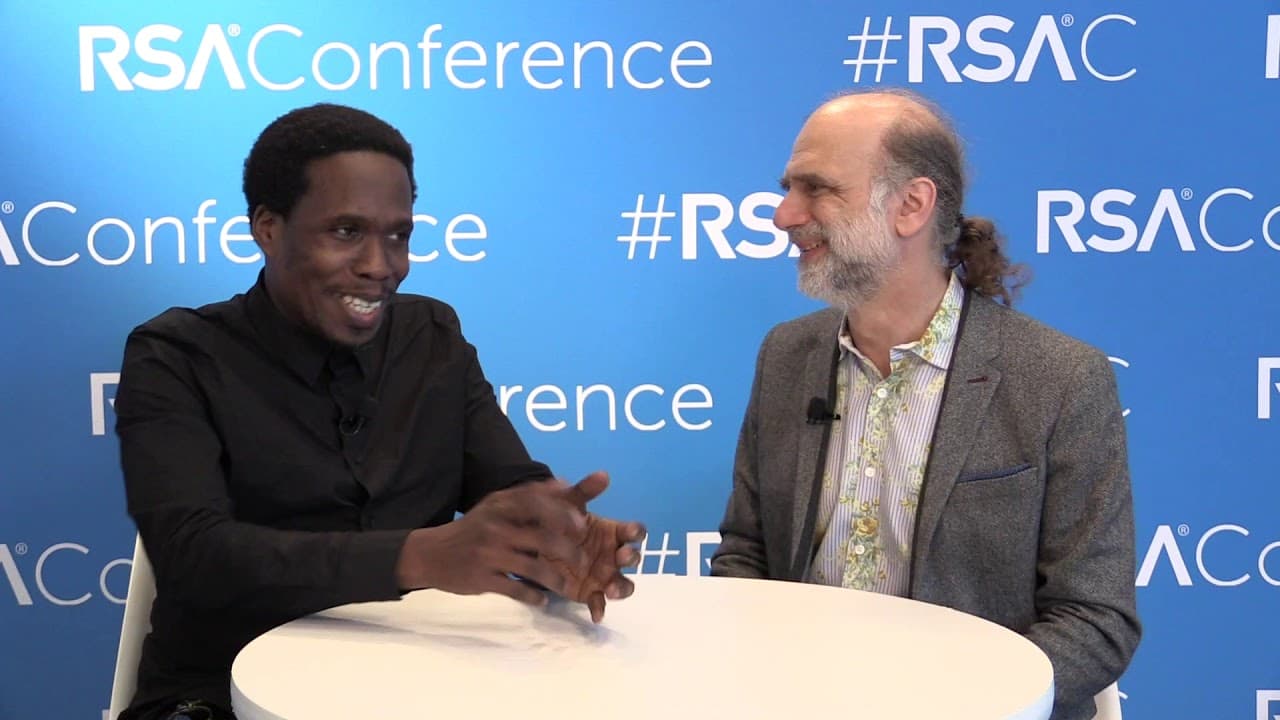
Hello. I'm here with, uh, Matt Mitchell, who is, uh, of Tactical Tech and various other organizations. Yeah. Uh, welcome. Thank you. It's great to be here, Bruce. So tell me, tell me what you do. Well, um, I like to call myself a hacker, but one that's focused on public interest technology. Uh, I'm able to have a full career only working with nonpr... Read More
Key Insights
- Public-interest technology is both a professional field and a state of mind. Mitchell says technologists can build careers serving nonprofits and civil society, but they can also apply the same commitment wherever they work by using technical knowledge to benefit communities.
- Tactical Tech combines digital security with public education. Mitchell supports the organization's security while helping verify that its materials about privacy, politics, advocacy, and digital safety contain current information and remain safe and useful for ordinary people.
- Data Detox Kits give people a practical path for reducing the information they provide to technology companies. Mitchell says many people want greater control over their information flows but do not know how to begin, and these materials respond to that need.
- Accessible communication expands the audience for technical knowledge. Tactical Tech offers both approachable entry points and extensive research, allowing people with different levels of interest to reach well-researched information without requiring them to belong to an existing privacy or security community.
- International privacy work benefits from a multicultural team. Tactical Tech is based in Berlin, while its staff includes people from several regions and varied language backgrounds, which helps the organization communicate with audiences across a borderless internet.
- Surveillance affects marginalized communities unevenly. Mitchell says people in heavily targeted neighborhoods may face several layers of surveillance while also being excluded from useful security information, making community-based education about surveillance systems and circumvention technologies especially important.
- Local volunteering can make technical knowledge more welcoming. Technologists can help at schools, libraries, community centers, or existing cryptography events by making eye contact, answering questions, and guiding people toward reliable privacy and security resources.
- Future public-interest technology must examine who faces the greatest risk. Mitchell connects technology to democracy, governance, policy, interpersonal treatment, formerly incarcerated people, and marginalized communities, asking whether society distributes technology's benefits while recognizing its most harmful effects.
Install to Summarize YouTube Videos and Get Transcripts
Explore YouTube Video Summarizer or Get YouTube Transcript Extractor
Questions & Answers
Q: What is public-interest technology?
Public-interest technology is the practice of applying technical skills to nonprofit, civil-society, and community needs. Matt Mitchell describes it as both a viable professional path and a state of mind. Its work can combine security, privacy education, activism, journalism, and public communication while helping ordinary people understand technology and make informed choices about their digital lives.
Q: What does Matt Mitchell do at Tactical Tech?
Matt Mitchell serves as Tactical Tech's Director of Digital Safety and Privacy. He assists with the organization's security and helps ensure that its public materials contain current information and are digitally safe. Those resources address privacy, politics, advocacy, and related technical issues for ordinary people, including readers seeking accessible guidance and those wanting extensive research.
Q: How do Data Detox Kits help people protect their privacy?
Data Detox Kits provide a path for people who want to reduce the information they share with technology companies but do not know where to start. Mitchell presents them as approachable privacy resources that meet people at their current level of understanding. They complement Tactical Tech's deeper research, giving both general audiences and highly interested readers useful entry points.
Q: Why does Tactical Tech use an international team?
Tactical Tech uses an international and multicultural team because privacy and the internet extend beyond national borders. Although the organization is based in Berlin, staff members come from several regions and include people whose first language is not English. Mitchell says this range of backgrounds helps the organization speak to the wider world and address issues such as women's rights and online protection.
Q: Why are marginalized communities a focus of digital safety work?
Marginalized communities are a focus because surveillance is not applied evenly. Mitchell says marginalized people often experience its heavier effects and may live in places with several overlapping layers of surveillance. At the same time, they can be excluded from useful technical information. His work helps people understand surveillance machines, identify who installed them, and learn circumvention technologies.
Q: How can technologists support the public interest part-time?
Technologists can support the public interest without quitting their regular jobs by volunteering at schools, libraries, community centers, or existing privacy events. Mitchell began Crypto Harlem while holding a demanding full-time position and located the work near his home. He also notes that some employers provide volunteer hours, which workers may request for community-based technical education.
Q: How can experts make privacy education more accessible?
Experts can make privacy education more accessible by meeting people where they are, using welcoming spaces, answering questions directly, and offering clear entry points into more detailed material. Mitchell emphasizes that much technical knowledge is unavailable or unwelcoming to ordinary people. A knowledgeable volunteer can build trust, explain unfamiliar issues, and guide participants toward technical journalism, research, and security resources.
Q: What issues should public-interest technologists prepare for?
Public-interest technologists should prepare people to understand how hacking, privacy, phones, and social media connect to democracy, governance, policy, and everyday conduct. Mitchell rejects the belief that it is too late to improve privacy or technology's effects. He argues for examining how technology treats formerly incarcerated people, marginalized communities, and others facing the greatest risks.
Summary & Key Takeaways
-
Matt Mitchell describes public-interest technology as a viable career and a state of mind centered on serving nonprofit, civil-society, and community needs. At Tactical Tech, he supports organizational security and helps ensure that educational materials about privacy, politics, advocacy, and digital safety remain accurate, accessible, useful, and safe for ordinary people.
-
Tactical Tech serves an international audience through a multicultural team and resources ranging from approachable Data Detox Kits to extensive research. Mitchell also works through Crypto Harlem and in several American cities, helping communities that experience heavy surveillance understand the technologies around them, identify who deployed those systems, and use circumvention tools.
-
Technologists do not need to abandon corporate employment to serve the public interest. Mitchell recommends volunteering in schools, libraries, and community centers, assisting existing privacy events, or requesting employer-supported volunteer time. Future work should connect everyday devices and social media to democracy, governance, policy, and the treatment of marginalized people.
Read in Other Languages (beta)
Share This Summary 📚
Summarize YouTube Videos and Get Video Transcripts with 1-Click
Try YouTube Summary with ChatGPT & Claude or YouTube Transcript Generator
Explore More Summaries from RSAC Cybersecurity 📚




Summarize YouTube Videos and Get Video Transcripts with 1-Click
Try YouTube Summary with ChatGPT & Claude or YouTube Transcript Generator