What to Do If You've Accidentally Offended Someone
TL;DR
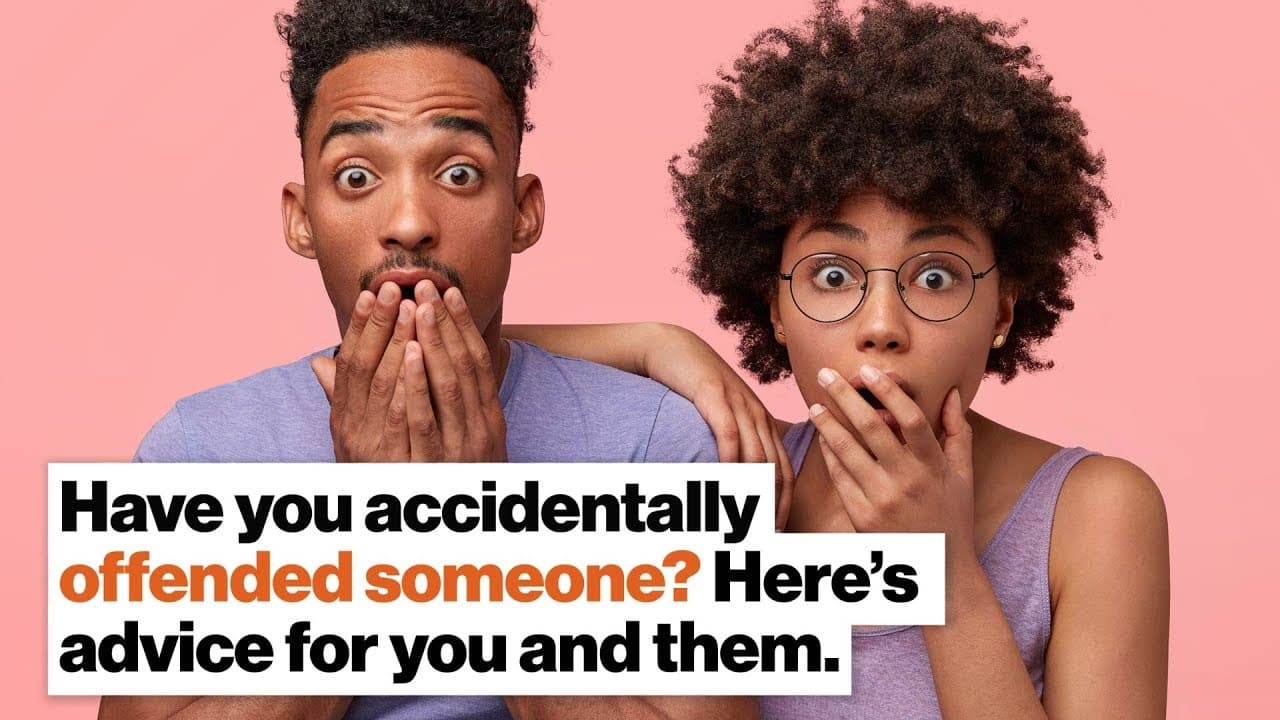
If you accidentally offend someone, it's important to acknowledge your mistake and apologize sincerely. Creating an environment where people can speak freely and learn from their errors fosters understanding and progress. Remember, implicit biases are part of being human, and allowing for mistakes helps build a more inclusive community.
Transcript
Human beings have blind spots. They have implicit biases. This doesn't mean you're a bad person. We all have them. And I think it's an illusion to think we can eradicate them from human beings. And this relates to civil discourse because it's important that people be allowed to think out loud and make mistakes because, particularly in diverse work ... Read More
Key Insights
- 🙈 Implicit biases and blind spots are inherent in human beings but do not define one's character or morality.
- 🤔 Creating environments where individuals can think out loud and make mistakes fosters a more inclusive and diverse discussion.
- ❓ It is important to apologize sincerely and move on if someone is inadvertently offended, rather than disqualifying them from further participation.
Install to Summarize YouTube Videos and Get Transcripts
Explore YouTube Video Summarizer or Get YouTube Transcript Extractor
Questions & Answers
Q: How can diverse work environments and college classrooms foster civil discourse?
By allowing individuals to think out loud and make mistakes, it creates space for a better understanding of different backgrounds. If someone unintentionally offends someone else, a sincere apology followed by moving on is crucial to maintaining a healthy learning environment.
Q: Why should we be more generous with our fellow humans?
It is important to be forgiving and not disqualify someone from a discussion immediately if they offend someone unintentionally. By assuming positive intent and giving people the opportunity to learn from their mistakes, it promotes growth and empathy.
Q: What is the impact of repeatedly offending marginalized groups?
Repeated offenses can be immensely frustrating, but it is essential to recognize that people can learn and grow over time. It is the duty of educators and society to help individuals become more aware of their implicit biases and strive towards inclusivity.
Q: How can we balance the need for open discussions without causing offense?
The key is not to self-censor but to be self-aware. While it is impossible to always say the right thing, being committed to not purposely offending others and apologizing when unintentional harm is caused is crucial for maintaining civil discourse.
Summary & Key Takeaways
-
Implicit biases and blind spots are part of being human, but they should not hinder open discussions in diverse environments.
-
It's important to encourage people to speak freely but also to apologize and move on if someone is inadvertently offended.
-
Apologizing and being forgiving are essential for progress and learning in civil discourse.
Read in Other Languages (beta)
Share This Summary 📚
Summarize YouTube Videos and Get Video Transcripts with 1-Click
Try YouTube Summary with ChatGPT & Claude or YouTube Transcript Generator
Explore More Summaries from Big Think 📚

Summarize YouTube Videos and Get Video Transcripts with 1-Click
Try YouTube Summary with ChatGPT & Claude or YouTube Transcript Generator