How Was Central Park Carefully Designed?
TL;DR
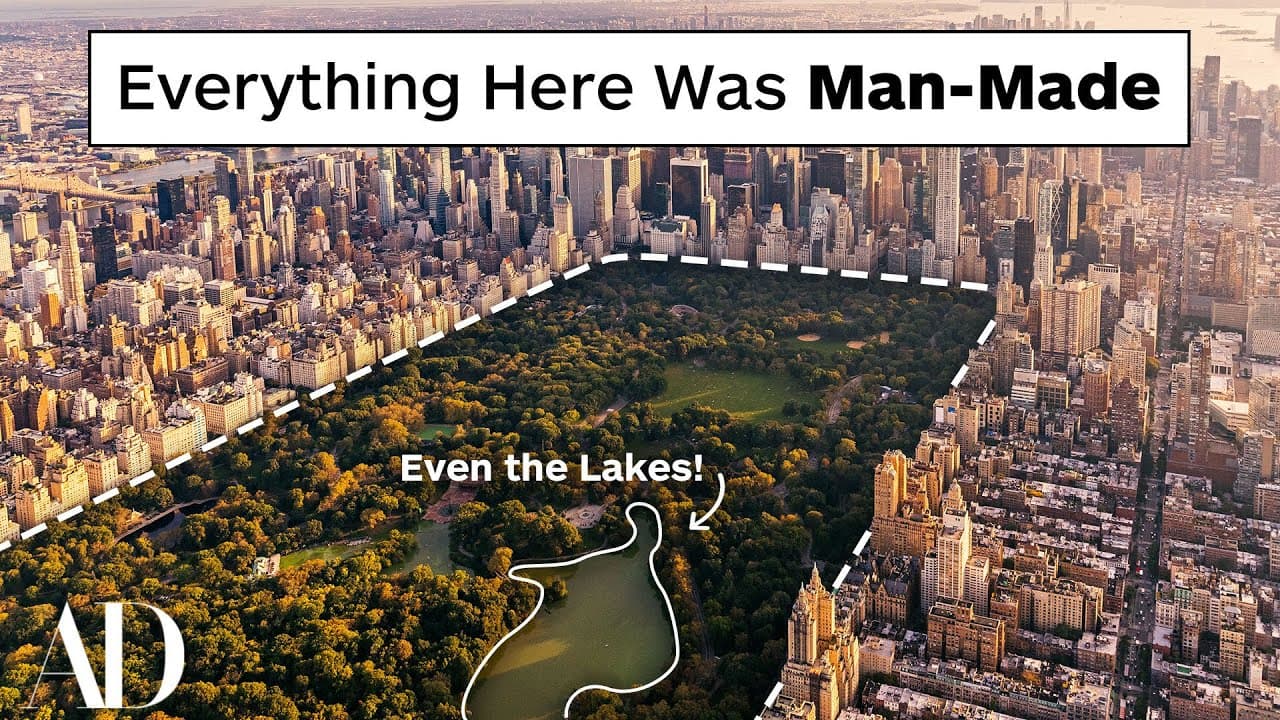
Central Park was meticulously crafted by architects Frederick Law Olmsted and Calvert Vaux in the 1850s, featuring submerged roads and natural landscapes. Its thoughtful design prioritizes immersion in nature, blending art and architecture while accommodating visitors from all walks of life.
Transcript
Central Park is the most famous city park in the world but did you know of its 843 Acres every single tree shrub and flower rep placed by Design and not by Nature I'm Michael Whitner I've been an architect in New York City for over 35 years and today I'm going to show you some of the Hidden details that make Central Park the greatest Metropolitan P... Read More
Key Insights
- 🎨 Central Park was meticulously designed by Frederick Law Olmsted and Calvert Vaux, winning a design competition against over 30 entries.
- 💖 The park incorporates unique features like submerged transverse roads and naturalistic landscapes, creating an immersive experience for visitors.
- 👨🔬 Central Park's sculptures, bridges, and arches hold historical and symbolic significance, while man-made bodies of water provide calming vistas.
- 💖 Lamp posts in Central Park have hidden codes that indicate location within the park.
- 💖 The Bethesda Terrace and Fountain have historical and cultural significance, and the park is also home to other statues of notable figures.
- 💖 The park's layered circulation paths were originally designed to separate different classes of park visitors but are now enjoyed by all.
- 💖 Belvedere Castle serves as both a viewing platform and a weather station, built with Manhattan schist, the same stone found throughout the park.
Install to Summarize YouTube Videos and Get Transcripts
Explore YouTube Video Summarizer or Get YouTube Transcript Extractor
Questions & Answers
Q: How was Central Park designed and who were the architects behind it?
Central Park was designed by landscape architect Frederick Law Olmsted and architect Calvert Vaux, who won a design competition in the 1850s. They incorporated unique features and carefully planned the park's layout.
Q: What unique features set Central Park apart from other city parks?
Central Park has submerged transverse roads, relocated settlements, naturalistic landscapes, and man-made bodies of water. These features were carefully designed to create a tranquil and immersive experience for park visitors.
Q: Are there any hidden codes or secrets in Central Park?
Yes, the lamp posts in Central Park have numbers at their base that indicate location within the park. The first two numbers represent the nearest cross street, while the last two numbers indicate whether you are on the east or west side of the park.
Q: What is the significance of the Bethesda Terrace and Fountain in Central Park?
The Bethesda Terrace and Fountain were originally designed to fulfill the requirement of having a grand fountain in the park. The fountain, titled "Angel of the Waters," commemorates the completion of the Croton Aqueduct, which brought fresh water to New York City.
Summary & Key Takeaways
-
Central Park was designed in the 1850s by landscape architect Frederick Law Olmsted and architect Calvert Vaux, winning a design competition that included over 30 entries.
-
The park's design included unique features like submerged transverse roads, relocated settlements, naturalistic landscapes, and man-made bodies of water.
-
Central Park is also home to numerous sculptures, intricate bridges and arches, and hidden codes on lamp posts that indicate location.
Read in Other Languages (beta)
Share This Summary 📚
Summarize YouTube Videos and Get Video Transcripts with 1-Click
Try YouTube Summary with ChatGPT & Claude or YouTube Transcript Generator
Explore More Summaries from Architectural Digest 📚


Summarize YouTube Videos and Get Video Transcripts with 1-Click
Try YouTube Summary with ChatGPT & Claude or YouTube Transcript Generator