Can AI Fix Housing and Healthcare Affordability?
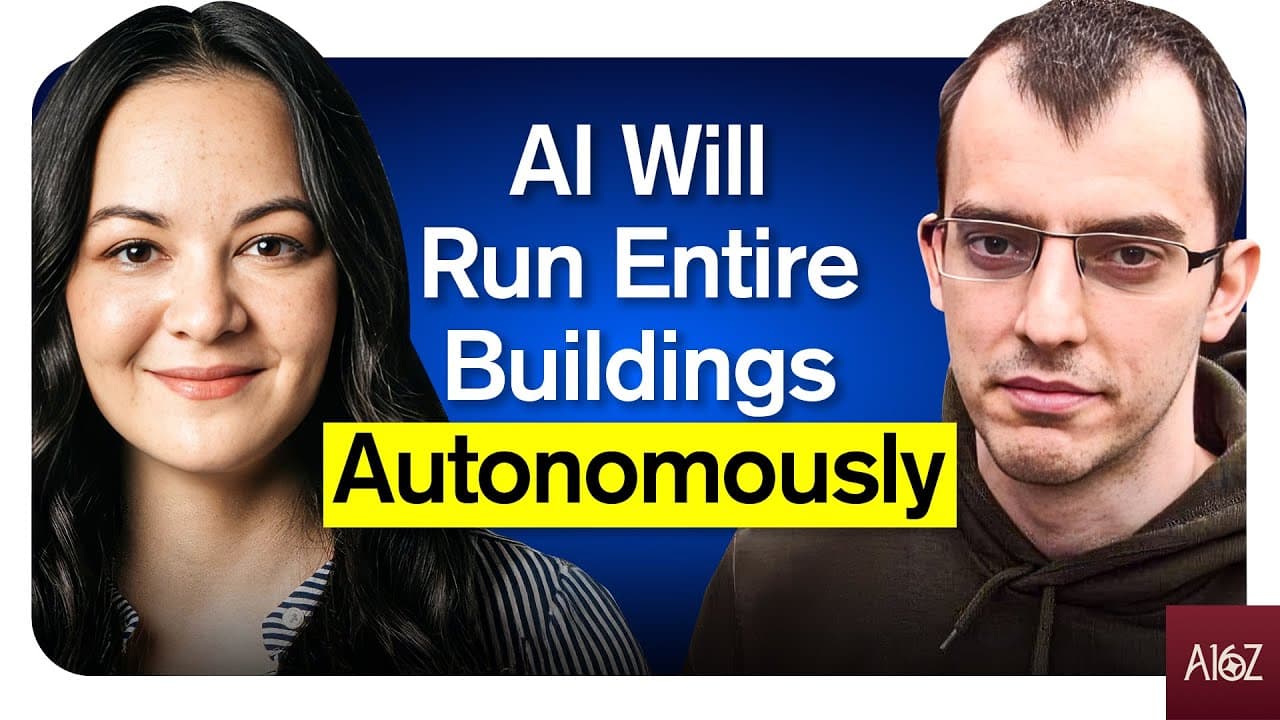
TL;DR
AI can help reduce housing and healthcare costs by automating operational, administrative, and communication work, although housing affordability still depends most on increasing supply. The country is about 5 million housing units short, while buildings using EliseAI had 2% higher occupancy than the market in data provided to ALN. Read on to see how autonomous operations could make existing housing work more efficiently.
Transcript
We're about 5 million housing units short of what we actually need in the country. Our goal is to enable fully autonomous buildings. An entire portfolio has the ability to run core operations without requiring human intervention at all. Housing and healthcare are the biggest expenses that people have. It's pretty self-evident that technology makes ... Read More
Key Insights
- AI can automate administrative tasks in housing and healthcare, reducing costs and inefficiencies.
- The U.S. faces a shortage of 5 million housing units, which technology can help address by optimizing current resources.
- Fully autonomous buildings can operate without human intervention, significantly cutting labor costs.
- Regulatory and capital barriers hinder housing supply, but AI can improve investment returns by enhancing operational efficiency.
- AI is transforming property management by centralizing operations and enabling one employee to manage thousands of units.
- In healthcare, AI can improve patient experience by automating scheduling and post-appointment follow-ups.
- Technology adoption in real estate has been slow, but AI presents a massive opportunity to enhance efficiency and reduce costs.
- AI can help address the affordability crisis in housing and healthcare by improving supply and operational efficiency.
Install to Summarize YouTube Videos and Get Transcripts
Explore YouTube Video Summarizer or Get YouTube Transcript Extractor
Questions & Answers
Q: How can AI reduce housing and healthcare costs?
AI can reduce the operational, administrative, and communication burden in housing and healthcare. The speakers argue that removing these inefficiencies can cut waste, lower costs, and improve the experience and quality of these essential services.
Q: How serious is the housing shortage?
The country is about 5 million housing units short of what it needs. It must add between 1.8 million and 2 million units per year just to keep the shortage from worsening, but only about 1.5 million units were developed last year.
Q: What matters most for housing affordability?
Housing supply matters most because the speakers identify it as the single greatest determinant of housing prices. They say housing delivery must increase by about 50%, while analysts expect the pipeline for 2026 and beyond to shrink by about 50%.
Q: How can AI make better use of existing housing supply?
Almost half of inquiries sent to rental apartment buildings never receive a response, leaving available apartments underused. AI can manage that demand and respond consistently, helping vacant apartments become occupied faster.
Q: What occupancy improvement was associated with EliseAI?
EliseAI provided data to ALN showing that buildings using its AI had 2% higher occupancy compared with the market. The speakers present this as evidence that better demand management can improve the use of existing housing supply.
Q: What are fully autonomous buildings?
Fully autonomous buildings are the stated goal for portfolios whose core operations can run without human intervention. The concept applies AI to the operational, administrative, and communication work involved in managing buildings.
Q: Why is building more housing difficult?
Regulation and zoning laws contribute to the housing supply problem, but relaxing them alone will not solve it. More capital must also flow into housing construction, and the speakers say housing currently offers lower returns than other asset classes.
Q: Why did EliseAI focus on housing and healthcare?
EliseAI wanted to use AI to solve real-world problems in two of people's largest expense categories. Housing and healthcare consume about 42% of a typical household's income and together represent about 40% of national GDP, according to the discussion.
Summary & Key Takeaways
-
AI has the potential to reduce costs and inefficiencies in housing and healthcare by automating administrative and operational tasks. The U.S. currently faces a significant housing shortage, and technology can help manage existing resources more effectively while also improving investment returns through enhanced operational efficiency.
-
Fully autonomous buildings represent a future where core operations are managed without human intervention, leading to substantial cost savings. In healthcare, AI can streamline administrative processes, improve patient experience, and potentially lower costs by automating tasks such as scheduling and compliance.
-
Despite slow technology adoption in real estate, AI offers a significant opportunity to enhance efficiency and reduce costs. By addressing the affordability crisis, AI can help unlock existing supply and improve the quality of services in both housing and healthcare sectors.
Read in Other Languages (beta)
Share This Summary 📚
Summarize YouTube Videos and Get Video Transcripts with 1-Click
Try YouTube Summary with ChatGPT & Claude or YouTube Transcript Generator
Explore More Summaries from a16z 📚






Summarize YouTube Videos and Get Video Transcripts with 1-Click
Try YouTube Summary with ChatGPT & Claude or YouTube Transcript Generator