Respondendo às perguntas mais frequentes sobre Portugal
TL;DR
Exploring Portugal's wealth, safety, and historical context.
Transcript
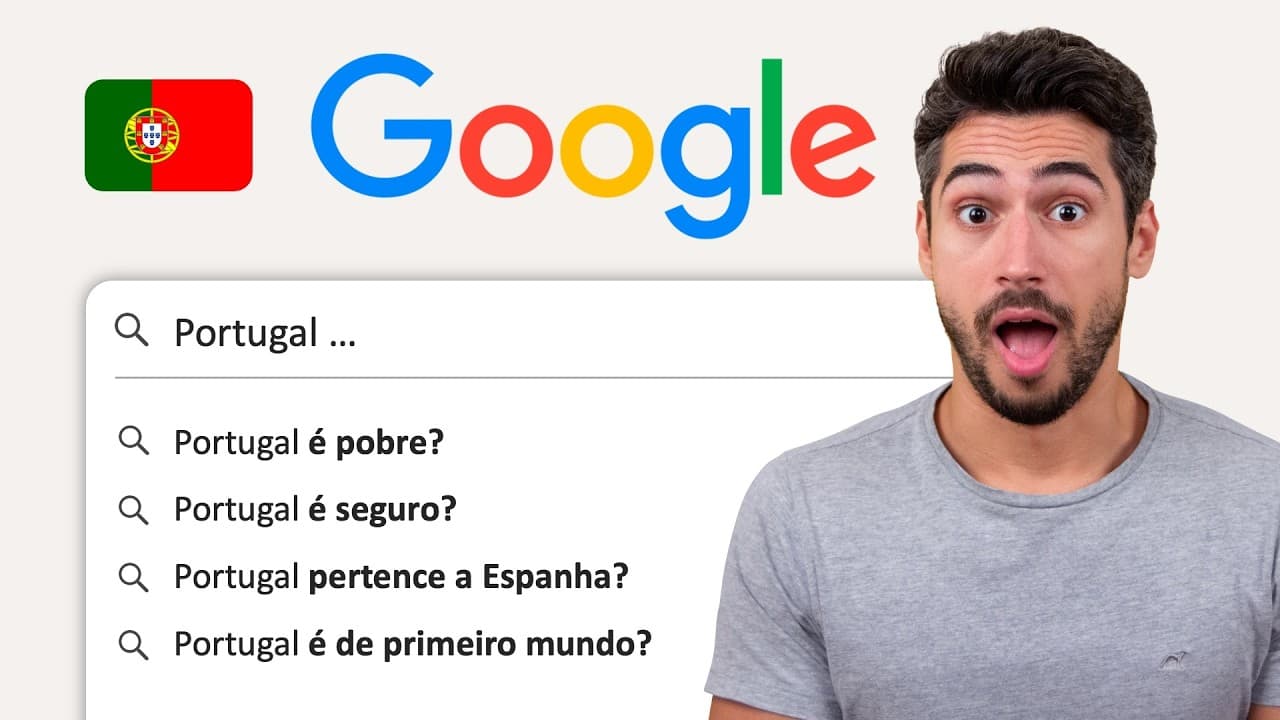
Hello and welcome back to Portuguese With Leo! If it's your first time here, my name is Leonardo and in this channel I teach European Portuguese, and today we'll answer the most researched questions about Portugal. Is Portugal a poor country? Well, we start okay with a non-controversial question. Is Portugal poor? The answer is: it depends. It ... Read More
Key Insights
- Portugal's economic status varies depending on the comparison context; globally, it's among the top 25% richest, but within Europe, it's below average.
- Portugal is ranked as the seventh most peaceful country globally, attributed to its geographical position and low crime rates.
- The 2001 drug decriminalization and increased tourism have potentially contributed to Portugal's safety and economic stability.
- Portugal is a First World country by modern standards, being industrialized and democratic, despite historical Cold War definitions.
- Portugal's independence from Spain is rooted in its early national identity and global empire ambitions in the 15th century.
- The Iberian Union period (1580-1640) was a time when Portugal was under Spanish rule, but it retained its distinct identity.
- Portugal's national animal is the Iberian wolf, and it is the world's largest cork exporter, producing over 50% of global cork.
- Portugal is renowned for its cultural heritage, including fado music, cuisine, and football, with Cristiano Ronaldo as a prominent figure.
Install to Summarize YouTube Videos and Get Transcripts
Explore YouTube Video Summarizer or Get YouTube Transcript Extractor
Questions & Answers
Q: Is Portugal considered a poor country?
Portugal's economic status is relative. Within the European Union, it is considered one of the poorer countries, ranking below average. However, on a global scale, Portugal is among the top 25% richest countries, indicating a higher wealth status compared to many nations worldwide.
Q: Why is Portugal considered a safe country?
Portugal is ranked as the seventh most peaceful country by the Global Peace Index. Its safety is attributed to low crime rates, geographical position, and lack of international conflicts. Factors like the 2001 drug decriminalization and a tourism surge in the 2010s have also contributed to its stability and security.
Q: How does Portugal's historical context define its status as a First World country?
Historically, during the Cold War, First World countries were aligned with the United States. Portugal was considered First World by this definition. Today, the term refers to industrialized, democratic nations. Portugal fits this modern definition, being both industrialized and democratic, distinguishing it from less developed countries.
Q: Why is Portugal not part of Spain?
Portugal's independence from Spain is rooted in its early establishment as a nation in 1143, predating Spain by centuries. By the time Spain unified in 1492, Portugal had a strong national identity and global ambitions, making it too established to be absorbed into the newly formed Spanish crown.
Q: What is the significance of the Iberian Union period for Portugal?
The Iberian Union (1580-1640) was a period when Portugal was under Spanish rule. Despite this, Portugal maintained its distinct identity and eventually regained independence. This period is significant as it highlights Portugal's resilience and ability to retain its unique cultural and national identity despite foreign rule.
Q: What are some of Portugal's notable exports and national symbols?
Portugal is the world's largest exporter of cork, producing over 50% of the global supply. Its national animal is the Iberian wolf, reflecting the country's cultural heritage. Additionally, Portugal is known for fado music, traditional cuisine, beautiful beaches, and its contribution to football, notably through Cristiano Ronaldo.
Q: How has tourism impacted Portugal's economy and safety?
The surge in tourism, particularly in the 2010s, has brought significant investment and enhanced security to Portugal. This influx of tourists has contributed to economic growth and stability, making the country more attractive as a safe and welcoming destination for international visitors.
Q: What practical travel advice is offered for visitors to Portugal?
Travelers are advised to use virtual SIM cards, like those from Saily, to avoid high roaming charges and ensure connectivity upon arrival. This is especially useful for tourists needing internet access for services like Uber. The video promotes using discount codes for cost-effective mobile data solutions while traveling.
Summary & Key Takeaways
-
The video addresses common questions about Portugal, highlighting its economic standing, safety, and historical independence from Spain. It explains Portugal's ranking in terms of GDP and peace, while also discussing its cultural exports and national symbols like the Iberian wolf.
-
Portugal's perceived wealth varies; it's relatively poor within Europe but ranks high globally. The country's safety is notable, with low crime rates and peaceful status, partly due to its geographical position and tourism impact.
-
Portugal's historical context as a First World country is explained, alongside its independence from Spain. The video also touches on practical travel tips, such as using virtual SIM cards for connectivity, and cultural highlights like fado and football.
Read in Other Languages (beta)
Share This Summary 📚
Summarize YouTube Videos and Get Video Transcripts with 1-Click
Try YouTube Summary with ChatGPT & Claude or YouTube Transcript Generator
Explore More Summaries from Portuguese With Leo 📚



Summarize YouTube Videos and Get Video Transcripts with 1-Click
Try YouTube Summary with ChatGPT & Claude or YouTube Transcript Generator