A História do Fado Português
TL;DR
Exploration of Fado's history, evolution, and cultural significance.
Transcript
Hello everybody and welcome to another episode of Portuguese With Leo! Before starting today's episode, I want to thank the generosity of Daniele Arturi, Fernando Semedo and Dorin Grigoras, thank you very much for your donations! For those of you who don't know what I'm talking about, if you want to support the project Portuguese With Leo, you can ... Read More
Key Insights
- Fado, a key music genre in Portugal, is rooted in the country's maritime history, with origins linked to Portuguese sailors' songs expressing nostalgia and longing.
- The word 'Fado' means destiny or fate, reflecting the themes of longing and melancholy central to its lyrics.
- Maria Severa, a 19th-century singer, helped popularize Fado among Lisbon's social elites, marking its transition from the city's poor neighborhoods.
- Amália Rodrigues, known as the Queen of Fado, played a pivotal role in popularizing Fado internationally during the 20th century.
- In 2011, UNESCO recognized Fado as an Intangible Cultural Heritage, underscoring its cultural significance and global impact.
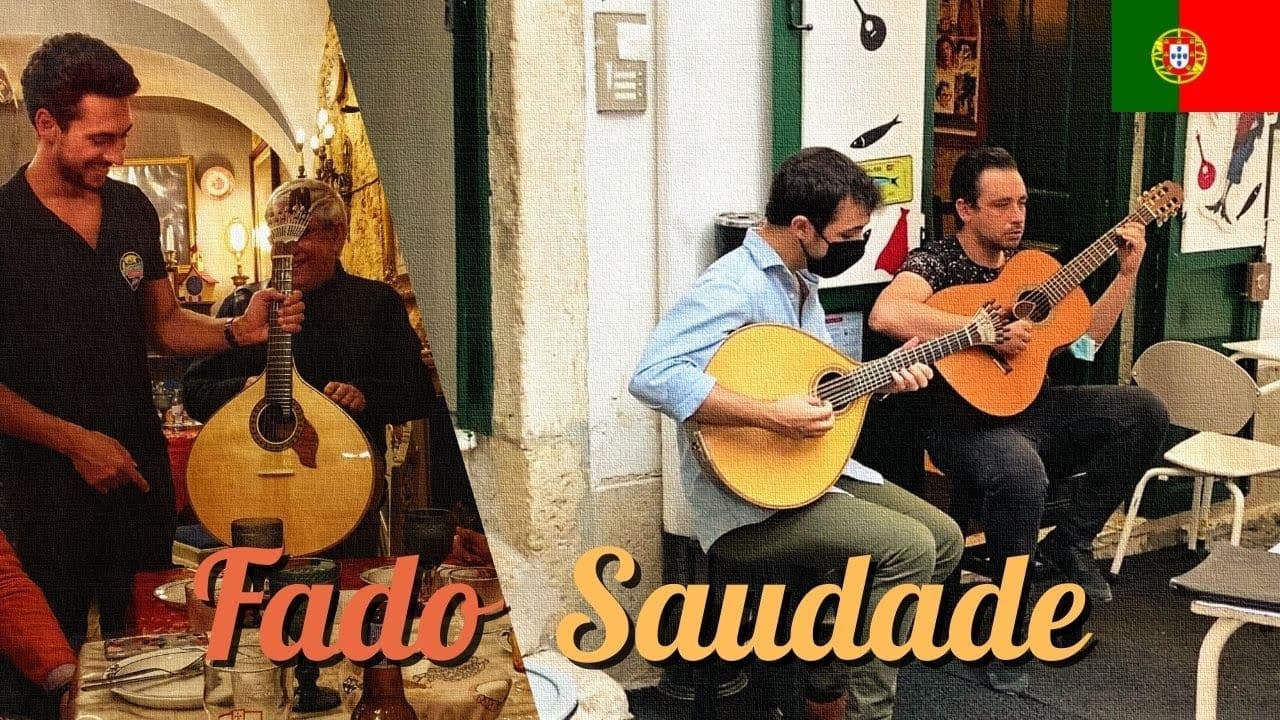
- Fado performances typically take place in intimate settings without microphones, emphasizing the raw emotional delivery of the singers.
- Coimbra's Fado, associated with university students, differs from Lisbon's Fado by being performed outdoors and traditionally sung by men.
- Key figures in Fado include Amália Rodrigues, Carlos do Carmo, and guitarist Carlos Paredes, each contributing significantly to the genre's legacy.
Install to Summarize YouTube Videos and Get Transcripts
Explore YouTube Video Summarizer or Get YouTube Transcript Extractor
Questions & Answers
Q: What is the origin of the word 'Fado'?
The word 'Fado' comes from the Latin word 'fatum,' which translates to 'destiny' or 'fate' in English. This reflects the central themes of Fado music, which often revolve around the concepts of fate, longing, and melancholy, capturing the emotional experiences of Portuguese sailors and their lives.
Q: Who was Maria Severa and what was her role in Fado?
Maria Severa was a 19th-century singer who played a crucial role in popularizing Fado. Born in 1820, she was a prostitute who sang in Lisbon's poor neighborhoods. Her affair with the Count of Vimioso helped elevate Fado from the city's slums to the social elites, marking its official birth in the 1840s.
Q: How did Amália Rodrigues impact the Fado genre?
Amália Rodrigues, known as the Queen of Fado, significantly impacted the genre by popularizing it beyond Portugal's borders in the 20th century. Her performances captivated audiences worldwide, establishing Fado as a globally recognized music form. Her legacy is so profound that her death in 1999 was marked by national mourning in Portugal.
Q: What distinguishes Coimbra's Fado from Lisbon's Fado?
Coimbra's Fado is distinct from Lisbon's Fado in several ways. It originated in Coimbra, associated with university students, and is traditionally sung by men. Unlike Lisbon's Fado, which is performed in intimate indoor settings, Coimbra's Fado is sung outdoors, often by groups called Tunas, using a louder guitar for open-air performances.
Q: What is the role of 'saudade' in Fado music?
'Saudade' is a central theme in Fado music, reflecting a deep sense of longing and nostalgia. It is a uniquely Portuguese concept that describes the emotional state of missing someone or something deeply. In Fado, this emotion is expressed through poignant lyrics and melodies, capturing the essence of the human experience.
Q: How is Fado typically performed?
Fado is typically performed in small, intimate venues known as fado houses, often without microphones or amplifiers. This setting allows for the natural conveyance of emotion through the singer's voice and the accompaniment of classical and Portuguese guitars. The audience is expected to remain silent to fully experience the performance's emotional depth.
Q: What recognition did Fado receive from UNESCO?
In 2011, Fado was recognized by UNESCO as an Intangible Cultural Heritage of Humanity. This designation highlights Fado's cultural significance, acknowledging its historical roots, emotional depth, and influence as a key component of Portugal's cultural identity. It underscores the genre's importance in the global cultural landscape.
Q: Who are some key figures in Fado music?
Key figures in Fado music include Amália Rodrigues, the Queen of Fado, who brought the genre international fame. Carlos do Carmo is another significant singer known for his contributions to Fado's evolution. Additionally, Carlos Paredes is celebrated as one of the greatest Portuguese guitarists, renowned for his instrumental contributions to Fado.
Summary & Key Takeaways
-
Fado is a deeply rooted Portuguese music genre, originating from sailors' songs filled with themes of destiny and longing. Its name derives from the Latin word 'fatum,' meaning fate. The genre became popular in the 19th century, with Maria Severa being a pivotal figure in its rise.
-
Amália Rodrigues, the Queen of Fado, was instrumental in bringing Fado to international prominence in the 20th century. Her influence was so profound that upon her death in 1999, Portugal observed a three-day national mourning period.
-
Fado is performed in intimate settings, emphasizing emotional expression. Coimbra's Fado, linked to university traditions, is sung outdoors by male students. In 2011, UNESCO recognized Fado as an Intangible Cultural Heritage, highlighting its cultural importance.
Read in Other Languages (beta)
Share This Summary 📚
Summarize YouTube Videos and Get Video Transcripts with 1-Click
Try YouTube Summary with ChatGPT & Claude or YouTube Transcript Generator
Explore More Summaries from Portuguese With Leo 📚






Summarize YouTube Videos and Get Video Transcripts with 1-Click
Try YouTube Summary with ChatGPT & Claude or YouTube Transcript Generator