What Is Mad God and Why Is It a Stop-Motion Masterpiece?
TL;DR
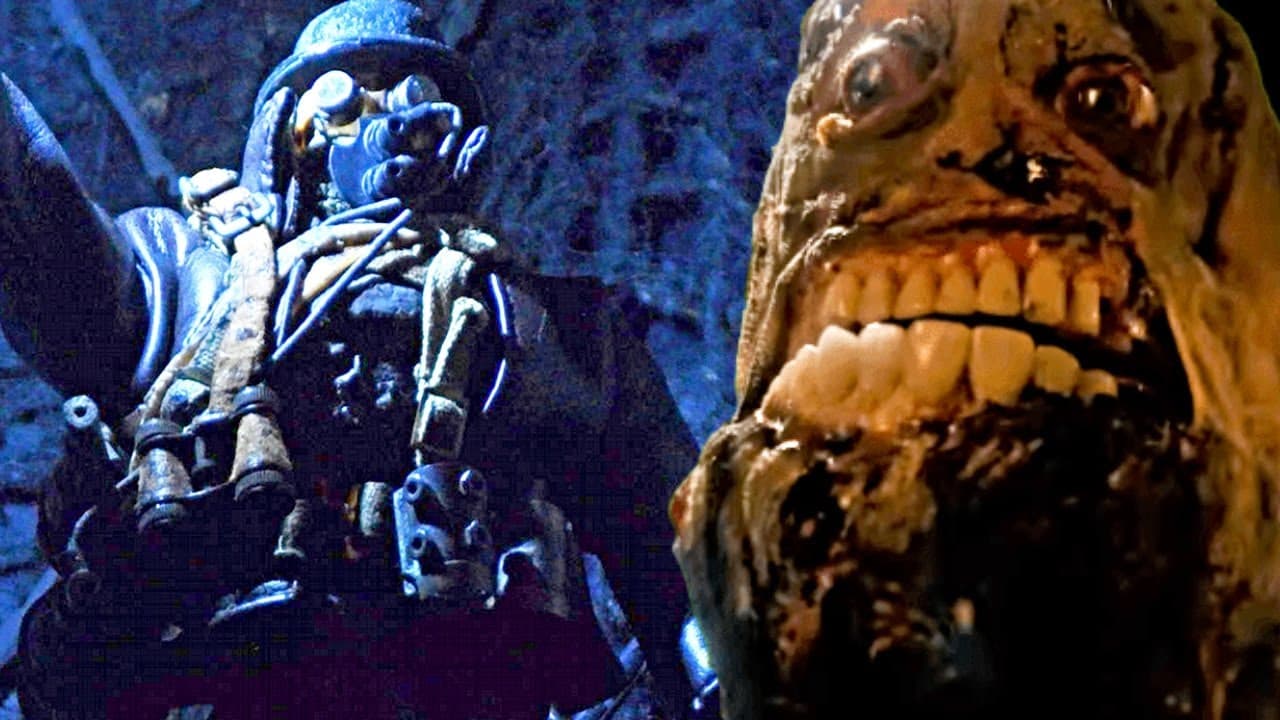
Mad God is a stop-motion horror film created by Phil Tippett that explores a bleak, post-apocalyptic world through captivating visual storytelling without dialogue. The film follows an assassin navigating a grotesque society filled with mutants and torture, raising existential questions about suffering and power. Its unique style makes it a cult classic for fans of avant-garde animation.
Transcript
[Applause] mad god 2022 ending explained hi everyone welcome back i'm terry cooper and this is marvelous videos mad god is an animated fantasy horror film created by phil tippett and it transports its audience to the dark depths of a post-apocalyptic universe a lone assassin descends through a weird array of people populating a multi-tiered environ... Read More
Key Insights
- 😠 Phil Tippett's Mad God is a passion project illustrating the dedication and artistry involved in stop-motion animation, taking over 30 years to complete.
- 🏣 The film boldly explores themes of despair and chaos in a post-apocalyptic setting, where the grotesque and the beautiful coexist unsettlingly.
- 🫵 With no dialogue, viewers rely on visual artistry and sound, creating a unique immersive experience that prompts individual interpretation.
- ✊ Each character's journey symbolizes broader existential themes, reflecting on the nature of suffering, humanity, and the consequences of power.
- 😒 The use of various puppets and creatures in Mad God showcases Tippett's technical skill and creativity, making the film a visual spectacle of horror.
- 🤨 The film raises philosophical questions about the cycle of violence and whether the last man is a benevolent ruler or a cruel overseer experimenting on the world below.
- 😠 Mad God challenges conventional storytelling by neglecting traditional narrative structures, which can leave audiences contemplating the meaning behind the images and events they witness.
Install to Summarize YouTube Videos and Get Transcripts
Explore YouTube Video Summarizer or Get YouTube Transcript Extractor
Questions & Answers
Q: What inspired Phil Tippett to create Mad God?
Phil Tippett was inspired to create Mad God in the late 1980s, but he officially began working on it after completing Robocop 2 in 1990. Concerns about CGI rendering stop-motion obsolete made him consider shelving the project temporarily. Ultimately, encouragement and a successful Kickstarter campaign in the mid-2000s helped him realize his vision, culminating in over three decades of work.
Q: How does the film’s storytelling differ from traditional narratives?
Unlike traditional films, Mad God does not rely on dialogue to convey its story. Instead, it uses intricate visuals and sound to immerse viewers in a surreal, nonlinear narrative where the audience must interpret the underlying themes and events, creating a unique viewing experience that is open to interpretation.
Q: What are some notable characters in Mad God, and what roles do they play?
Key characters include the assassin, the alchemist, the surgeon, and the last human. The assassin is sent on a dangerous mission through a post-apocalyptic landscape. The alchemist transforms a significant entity into pure matter, and the surgeon embodies the harrowing aspect of torture and control over the assassin, contributing to the film's dark themes.
Q: How does Mad God’s animation style enhance its themes?
The stop-motion animation in Mad God offers a tactile and visceral quality, making the grotesque and surreal environments more impactful. The painstaking craftsmanship behind each frame adds to the film's unsettling nature and emphasizes the horror and beauty of the horrifying world, drawing viewers into a more immersive experience.
Q: What symbolism can be found in the film, particularly regarding the last man?
The last man symbolizes control and dominion over chaos, representing a potential god-like figure in his attempts to shape the world below through assassins. His actions can be seen as experiments or attempts at creating order in a chaotic universe, reflecting themes of power, futility, and the cyclical nature of violence.
Q: What should viewers know before watching Mad God?
Viewers should be aware that Mad God features graphic and gruesome imagery, along with complex themes that require engagement beyond just the visuals. The lack of dialogue can make the narrative challenging to follow, thus viewers who may be sensitive to horror or surrealism should proceed with caution.
Q: Why might Mad God be considered a cult classic?
Mad God’s unique storytelling, groundbreaking animation, and exploration of dark themes resonate with niche audiences who appreciate avant-garde cinema. Its combination of art, horror, and emotional depth, alongside its long development history, makes it likely to garner a dedicated fanbase, thus establishing it as a cult classic.
Summary & Key Takeaways
-
Mad God, directed by Phil Tippett, is a stop-motion animated horror film that took over 30 years to complete, showcasing a uniquely bleak post-apocalyptic universe.
-
The narrative features an assassin on a journey through various horrific environments, encountering mutants, torture, and a grotesque society, embodying a blend of art and emotional horror.
-
The film lacks traditional dialogue, relying on visual storytelling and sound, which may overwhelm viewers with sensitive tastes, while simultaneously appealing to fans of avant-garde animation.
Read in Other Languages (beta)
Share This Summary 📚
Summarize YouTube Videos and Get Video Transcripts with 1-Click
Try YouTube Summary with ChatGPT & Claude or YouTube Transcript Generator
Explore More Summaries from Marvelous Videos 📚

Summarize YouTube Videos and Get Video Transcripts with 1-Click
Try YouTube Summary with ChatGPT & Claude or YouTube Transcript Generator