How to Develop a Growth Mindset with Mini Experiments
TL;DR
Embrace an experimental mindset to enhance personal and professional growth by focusing on curiosity rather than fixed success paths. Utilize reflective practices like the plus-minus-next method to continually assess and improve experiences, fostering a healthier approach to learning and achievement.
Transcript
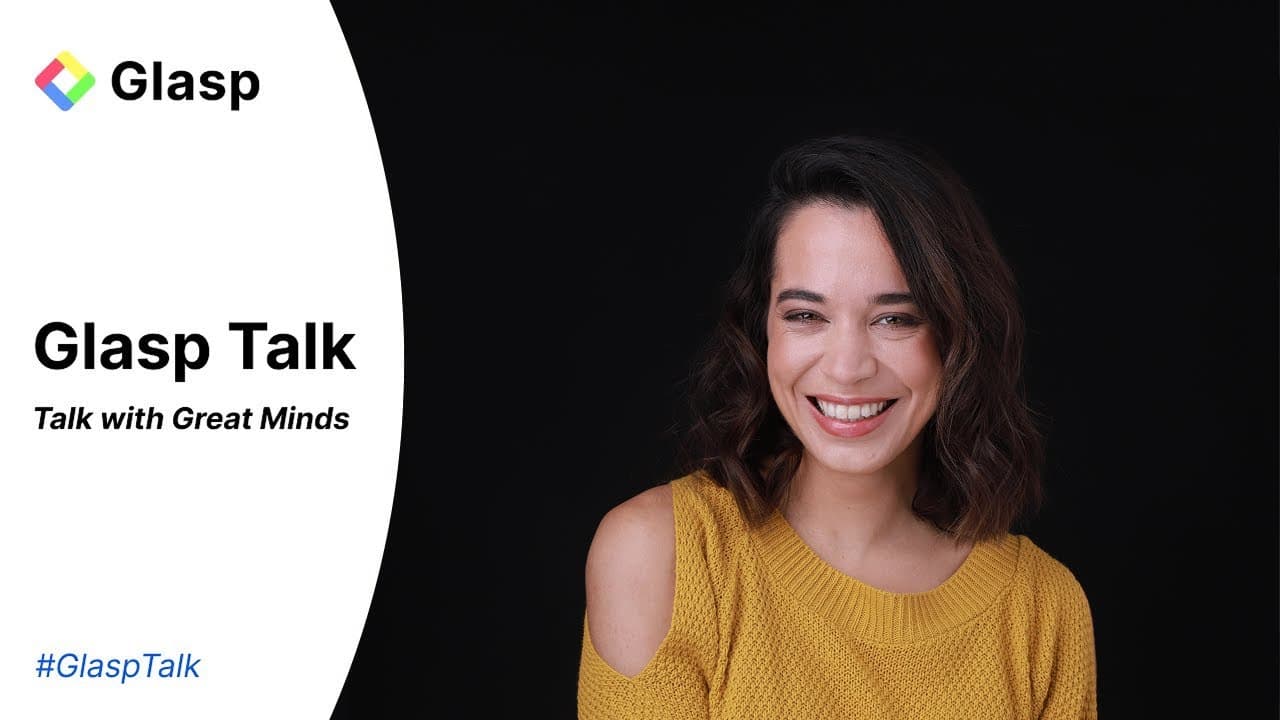
Hi, everyone. Welcome back to another episode of Glasp Talk. Today, we are very excited to have Anne-Laure Le Cunff with us. Anne-Laure is a neuroscientist, entrepreneur, and author, deeply passionate about the intersection of neurodiversity, curiosity, and learning. She is the founder of Ness Labs, a thriving learning community that helps knowledg... Read More
Key Insights
- ❓ An experimental mindset enhances personal growth by promoting curiosity and proactive exploration of interests.
- 🛟 The plus-minus-next reflection tool empowers individuals to assess experiences for continuous improvement in their personal and professional lives.
- 🛟 AI serves as a collaborative partner in learning, expanding curiosity by facilitating exploration of complex topics.
- 📈 Shifting from a linear mindset of achievement to an experimental approach reduces pressures associated with traditional success metrics.
- ❓ The Ness Labs community fosters shared learning experiences, encouraging members to experiment and support each other’s growth.
- 🫵 Understanding procrastination as a signal helps individuals address underlying issues rather than viewing it as a personal failure.
- 🍃 Generativity focuses on current actions to create positive change rather than fixating on the impacts left to future generations.
Install to Summarize YouTube Videos and Get Transcripts
Explore YouTube Video Summarizer or Get YouTube Transcript Extractor
Questions & Answers
Q: What inspired Anne-Laure to write "Tiny Experiments"?
Anne-Laure Le Cunff's inspiration for writing "Tiny Experiments" came from her personal experience, especially after facing burnout during her successful, yet unfulfilling career at Google. She discovered that embracing curiosity and experimentation led to greater satisfaction and creativity in her work, which she explores further in her book.
Q: How does the plus-minus-next method work?
The plus-minus-next method allows individuals to reflect on their experiences by categorizing what went well (plus), what didn't (minus), and what actions to take next (next). This structured reflection helps in identifying patterns in behavior and emotions, serving as a tool for personal growth and iterative learning.
Q: How can curiosity be expanded using AI, according to Anne-Laure?
Anne-Laure Le Cunff sees AI as a powerful tool that expands the realm of curiosity. It enables users to explore complex questions and receive information tailored to their interests, facilitating a deeper understanding and connection between diverse topics. This turns AI into a dynamic partner in the learning process.
Q: What significant change does Le Cunff suggest regarding traditional views of success?
Le Cunff suggests replacing the linear mindset of success, which resembles a ladder, with an experimental mindset that embraces curiosity. Instead of rigid goals, she advocates for a growth loop model where individuals explore questions, run experiments, and adapt based on evolving interests and insights.
Q: What impact does Anne-Laure hope to achieve through her community, Ness Labs?
Through Ness Labs, Anne-Laure aims to create a thriving learning environment where individuals can support each other in experimenting with their personal and professional growth. Her goal is to foster connections that celebrate curiosity and innovation, transcending traditional definitions of success.
Q: How does Anne-Laure recommend managing procrastination?
She encourages recognizing procrastination as a signal rather than a failure. By using her triple check method (head, heart, hand), individuals can identify whether their procrastination stems from rational doubts, emotional resistance, or a lack of skills. This approach fosters a better understanding of oneself and facilitates progress.
Q: What is the significance of generativity over legacy according to Anne-Laure?
Anne-Laure emphasizes generativity as focusing on making a positive impact in the present rather than worrying about the legacy one leaves behind. She advocates for engaging in meaningful actions that can ripple outward to influence future generations, thus fostering a culture of continuous learning and curiosity.
Summary & Key Takeaways
-
Anne-Laure Le Cunff, a neuroscientist and founder of Ness Labs, emphasizes the importance of an experimental mindset for personal and professional growth, deriving lessons from her career failures and curiosities.
-
Her book "Tiny Experiments" encourages readers to embrace curiosity through structured experiments rather than following fixed paths to success, promoting reflective practices like the plus-minus-next method to facilitate growth.
-
The discussion highlights the integration of AI in learning; Le Cunff advocates for its role in expanding curiosity and facilitating deeper explorations into complex topics through interactive engagements.
Read in Other Languages (beta)
Share This Summary 📚
Summarize YouTube Videos and Get Video Transcripts with 1-Click
Try YouTube Summary with ChatGPT & Claude or YouTube Transcript Generator
Explore More Summaries from Glasp 📚

Summarize YouTube Videos and Get Video Transcripts with 1-Click
Try YouTube Summary with ChatGPT & Claude or YouTube Transcript Generator