What Is the Importance of Architecture in Society?
TL;DR
Architecture significantly impacts communities by enhancing quality of life and social engagement. It emphasizes that good design is essential in various sectors, including education, healthcare, and housing, ultimately influencing well-being, productivity, and property values. The Sterling Prize highlights these contributions, promoting discussions on architecture's role in shaping our built environment.
Transcript
thank you so much and uh I I'm slightly breathless but I managed to get here um and I'm deeply honored to have been invited to uh to give this year's uh Gresham special lecture and and what wonderful uh context in which to be uh giving the lecture um as you see in the um uh in the advanced notice um the subject is continuity and tradition um an exp... Read More
Key Insights
- 🏛️ The Sterling Prize recognizes buildings that make significant contributions to architecture.
- 👋 Good design in schools and educational buildings improves student and staff performance, well-being, and community engagement.
- ☠️ Therapeutic environments in healthcare buildings contribute to patient recovery rates.
- 🎨 Well-designed workplaces improve employee satisfaction, productivity, and brand image.
- 👋 Good design in housing developments creates strong communities and increases property values.
- 🏛️ Retrofitting and reusing buildings are essential for meeting sustainability goals and reducing carbon emissions.
- 👤 The selection process for the Sterling Prize considers various criteria, including sustainability, user experience, and innovation.
Install to Summarize YouTube Videos and Get Transcripts
Explore YouTube Video Summarizer or Get YouTube Transcript Extractor
Questions & Answers
Q: What is the Sterling Prize and how does it recognize architectural excellence?
The Sterling Prize is an architectural award given annually to a building that has made a significant contribution to the advancement of architecture in the European Union. It is awarded based on a rigorous process involving visits by a panel of architects and lay judges.
Q: How does the Sterling Prize impact architecture and the architectural profession?
The Sterling Prize raises the profile of architecture and architects, promoting public debate and increased demand for quality design. However, there are debates about its elitism, media exposure, and promotion of certain building typologies.
Q: How does architecture contribute to education and the quality of learning environments?
Good design in schools and educational buildings has numerous benefits, including improved ventilation, natural lighting, acoustics, and overall building performance. Research shows that well-designed schools improve student concentration, motivation, and academic performance, as well as staff morale and recruitment.
Q: What is the impact of architecture on healthcare environments and patient outcomes?
Therapeutic environments created through good design in healthcare buildings contribute to patient recovery rates. Features like daylight, external views, good acoustics, and reduced noise levels have been shown to reduce stress, pain, medication use, and improve sleep and overall well-being.
Q: How does architecture influence workplace design and productivity?
Well-designed workplaces contribute to employee satisfaction, recruitment, productivity, and well-being. Factors such as workstation layout, space allocation, air quality, and lighting can significantly impact the work environment and employee performance. Companies that prioritize good design in their headquarters and facilities send a positive message about their brand, values, and commitment to sustainability.
Q: How does good design contribute to the creation of strong communities in housing developments?
Good design in housing developments creates homes that offer natural light, spacious living areas, privacy, and access to outdoor and community spaces. Well-designed neighborhoods foster a sense of social identity, interaction, and civic pride. It has been shown that homes with good design have a positive impact on rental and capital values, occupancy rates, and overall quality of life for residents.
Q: How does the reuse of buildings and retrofitting contribute to sustainable architecture?
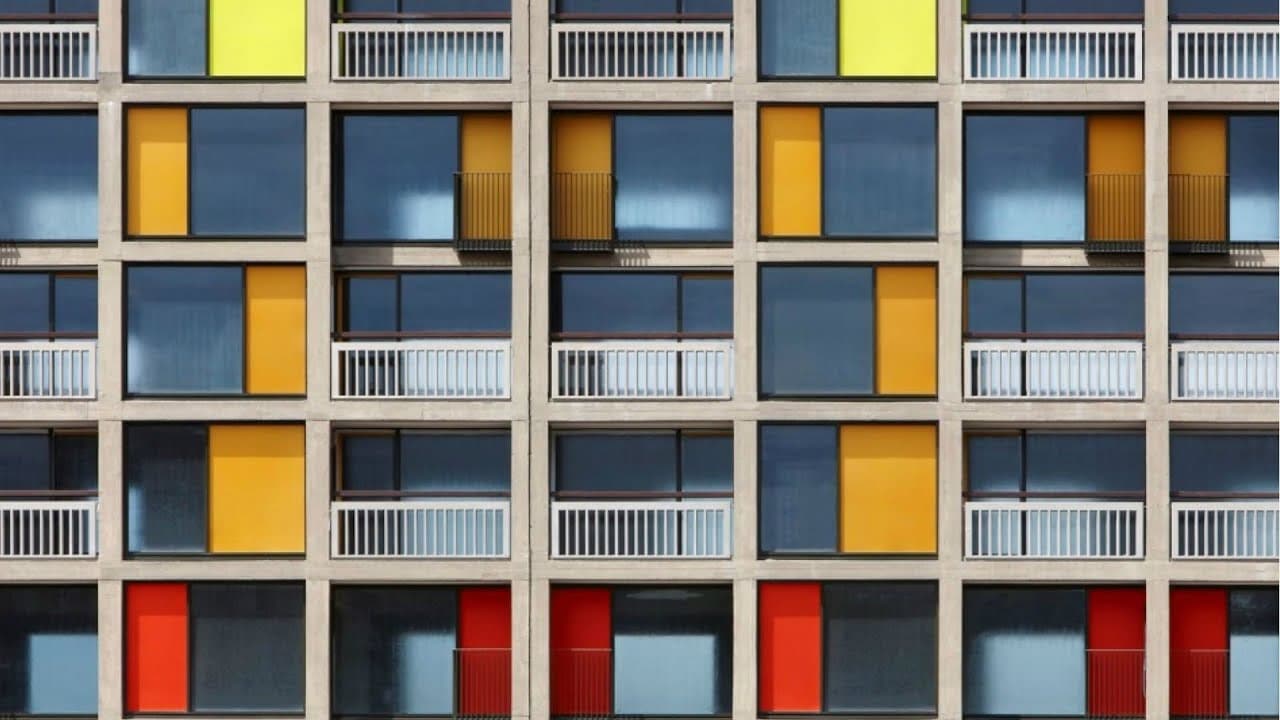
Retrofitting and reusing existing buildings are crucial in meeting sustainability goals and reducing carbon emissions. It is estimated that four-fifths of the buildings that will exist in 2050 are already constructed. Retrofitting saves resources, preserves historical and cultural significance, and allows for the incorporation of sustainable design principles. Projects like Park Hill in Sheffield and Ashley Castle in Warwickshire showcase the transformative power of reuse and retrofitting.
Summary & Key Takeaways
-
The lecture discusses the importance of architecture and its impact on communities, quality of life, and the built environment.
-
It provides background information on the Sterling Prize and its significance in recognizing significant contributions to architecture in the European Union.
-
The lecture highlights the controversies and debates surrounding the Sterling Prize and its role in promoting architecture and recognizing architectural excellence.
Read in Other Languages (beta)
Share This Summary 📚
Summarize YouTube Videos and Get Video Transcripts with 1-Click
Try YouTube Summary with ChatGPT & Claude or YouTube Transcript Generator
Explore More Summaries from Gresham College 📚


Summarize YouTube Videos and Get Video Transcripts with 1-Click
Try YouTube Summary with ChatGPT & Claude or YouTube Transcript Generator