Why Do We Fear Love and Affection?
TL;DR
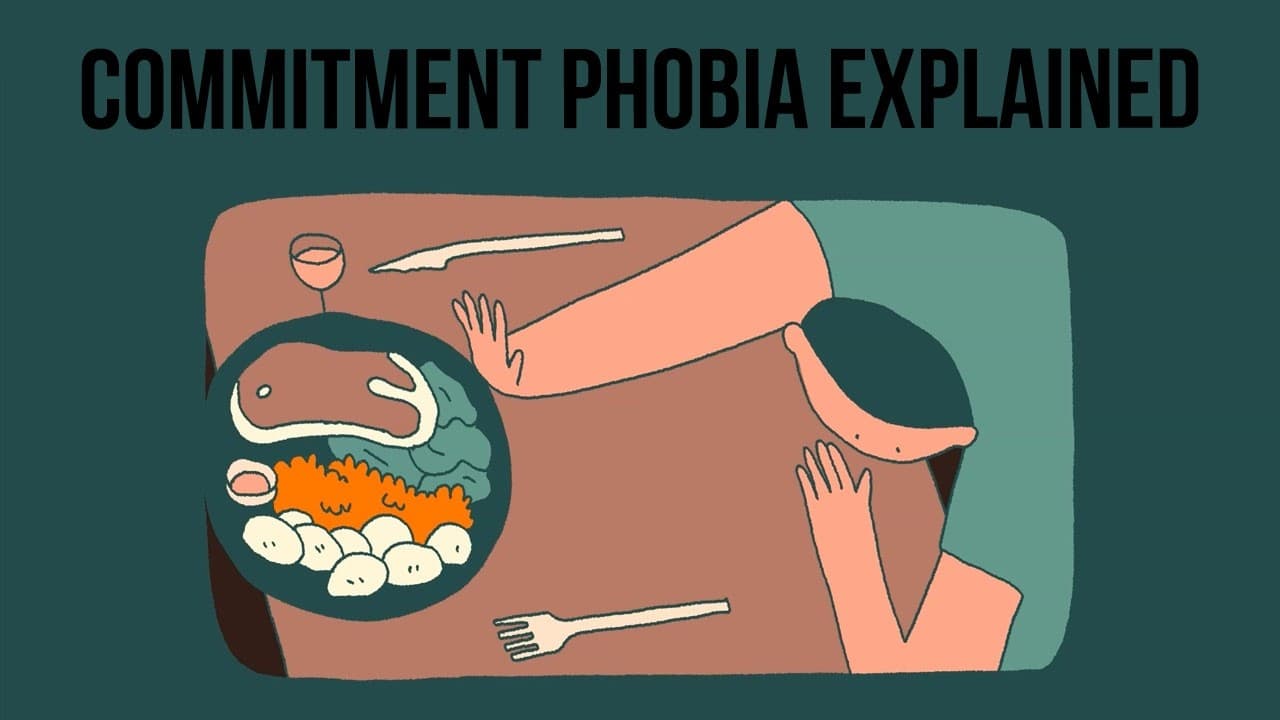
Fear of love often stems from childhood experiences where affection was scarce, leading to feelings of anxiety in the face of abundance. Those who grew up with limited warmth may need love in smaller doses to feel comfortable. Understanding this dynamic can improve communication in relationships and foster healthier connections.
Transcript
one of the most perplexing of all our behaviors is our tendency in relationships to flee from the warmth and affection it's so natural for us to want in the face of someone who seems to like us very much who Smiles tenderly at us whenever we walk in the room and is interested in the details of Our Lives some of us May respond in an extremely counte... Read More
Key Insights
- 😨 Emotional avoidance is a common phenomenon influenced by childhood experiences involving limited affection and care.
- 🥰 More affection does not always equate to more satisfaction; some individuals require love in smaller, more manageable doses.
- 👻 Recognizing avoidant behavior as a response to past deprivation allows individuals to navigate their feelings without shame or self-blame.
- 🪡 Communication is crucial in relationships where one partner exhibits emotional avoidance; discussing needs prevents misunderstandings.
- 🏷️ Partners should avoid labeling avoidant behavior negatively, which can exacerbate feelings of inadequacy and create tension in the relationship.
- 🥰 Time alone or spaced-out affection may be necessary for individuals who struggle with overwhelming feelings about love.
- 🍻 Understanding the link between emotional scarcity and current reactions can help partners build a more supportive and nurturing relationship.
Install to Summarize YouTube Videos and Get Transcripts
Explore YouTube Video Summarizer or Get YouTube Transcript Extractor
Questions & Answers
Q: What is emotional avoidance in relationships?
Emotional avoidance refers to the tendency to shy away from intimacy and affection, often stemming from a past marked by emotional scarcity. Individuals may become anxious when loved ones express affection or desire closeness, prompting them to retreat rather than engage, as they struggle to adapt to an abundance of emotional nourishment.
Q: How can past experiences influence romantic relationships?
A person's upbringing significantly impacts their approach to love and intimacy. If someone grew up in a household with minimal affection, they might feel overwhelmed when confronted with abundant love. This discomfort can result in behaviors such as withdrawal or avoidance, as historical patterns of emotional scarcity shape current responses to affection.
Q: What strategies can people use to cope with their emotional avoidance?
Individuals can begin to tackle emotional avoidance by recognizing its roots in their upbringing, allowing them to communicate their needs to partners. It can be beneficial to gradually accept affection in smaller doses, fostering a sense of safety. It may also help to discuss boundaries and pace when expressing feelings to facilitate comfort in emotional exchanges.
Q: How can partners support someone with emotional avoidance?
Partners can support individuals with emotional avoidance by respecting their need for space and understanding their discomfort with abundant affection. Rather than interpreting avoidance as rejection, they can approach the relationship with patience and care, ensuring that affection is expressed slowly, making the emotional experience manageable for the avoidant partner.
Summary & Key Takeaways
-
Emotional avoidance in relationships often stems from childhood experiences of limited affection, leading individuals to feel overwhelmed by too much love.
-
Individuals who grew up in environments lacking warmth may find abundant love suffocating, creating anxiety rather than solace when faced with genuine affection.
-
Acknowledging this avoidant behavior as a response to early deprivation can help individuals communicate their needs better to partners, fostering healthier relationships.
Read in Other Languages (beta)
Share This Summary 📚
Summarize YouTube Videos and Get Video Transcripts with 1-Click
Try YouTube Summary with ChatGPT & Claude or YouTube Transcript Generator