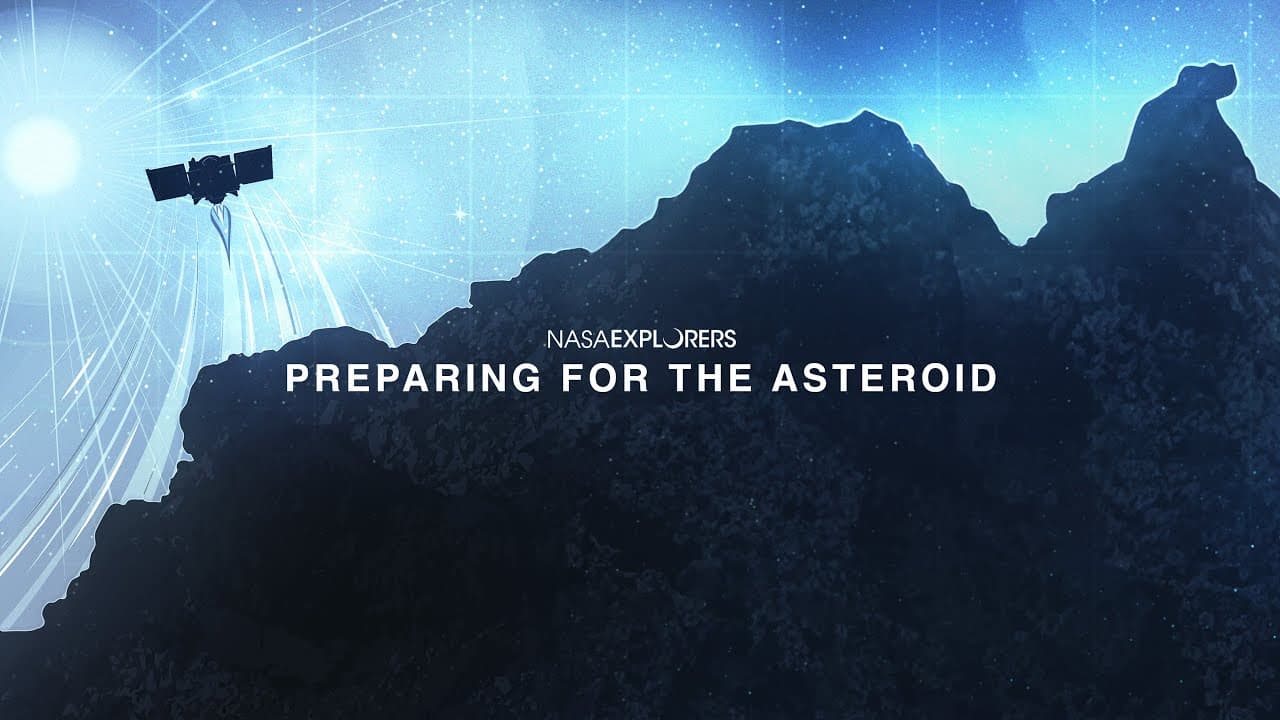
NASA Explorers Season 6, Episode 4: Preparing for the Asteroid
TL;DR
NASA’s OSIRIS-REx mission is preparing to return hundreds of grams of pristine carbonaceous asteroid material to Earth for laboratory study. The team hopes the sample will illuminate how the solar system formed, why Earth is habitable, and whether carbon-rich asteroids delivered organic compounds that helped trigger life’s origin. Read on to see why uncontaminated material, precise recovery, and almost 20 years of work matter.
Transcript
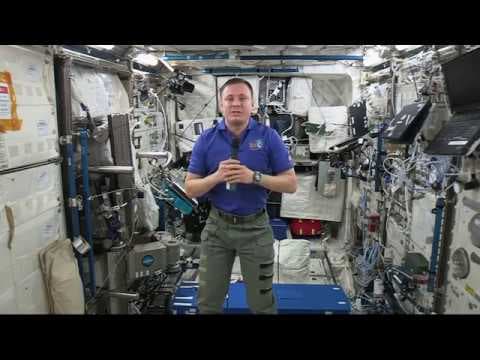
It's really surreal when you're talking about an asteroid sample return mission. You know, 13 years ago that we'd actually be at this point now. I had every confidence in the team that we’d get there. But your mind just isn’t going there, right? You're just trying to get to launch, then you're just trying to get to the asteroid, then you're just tr... Read More
Key Insights
- 😥 The OSIRIS-REx mission represents years of dedication and hard work to reach the point of releasing and collecting a sample from an asteroid.
- 👻 The mission has significant scientific implications, allowing for the study of the early solar system and investigating the role of asteroids in delivering the building blocks of life to Earth.
Install to Summarize YouTube Videos and Get Transcripts
Explore YouTube Video Summarizer or Get YouTube Transcript Extractor
Questions & Answers
Q: What is the main objective of NASA’s OSIRIS-REx mission?
The mission’s immediate objective is to return a pristine asteroid sample safely to Earth and deliver it to laboratories. Scientists will use it to investigate the formation of the solar system, Earth’s habitability, and whether carbonaceous asteroids delivered compounds connected to the origin of life.
Q: How much asteroid material is the mission bringing back?
The mission is bringing back hundreds of grams of pristine asteroid material. The sampled body has not been touched and has remained relatively unchanged since the beginnings of the solar system.
Q: Why do scientists need a pristine asteroid sample instead of meteorites?
Meteorites recovered on Earth are contaminated and provide a biased record. Earth’s atmosphere filters out fragile and friable material, so only the strongest material reaches the surface; a pristine returned sample can overcome those limitations.
Q: What question about the origin of life will the asteroid sample help investigate?
Researchers want to test whether carbon-rich asteroids delivered important organic compounds to early Earth. The mission team describes this as asking whether these objects delivered the seeds of life or helped trigger life’s origin.
Q: How does the OSIRIS-REx mission advance engineering?
The mission demonstrates the ability to deliver material from space to the ground safely and accurately. It also pushes the team to expand what can be accomplished with existing technology.
Q: How long did the mission take to reach the sample-return stage?
Team members describe the return as the culmination of decades of work and say they are entering the endgame after almost 20 years. One speaker also reflects on progressing from launch to the asteroid, proximity operations, sample collection, and finally capsule release over 13 years.
Q: How did the asteroid sample-return proposal develop?
The team wrote a proposal in 2004 and was rejected. A 2005 proposal reached Phase A of NASA’s competition before another rejection, and the 2008 New Frontiers opportunity followed after four years of intensive design and development.
Q: Who is Dante Lauretta, and why is the return especially significant for him?
Dante Lauretta is identified as the mission’s principal investigator. The sample return represents the culmination of almost 20 years of his work, so the team expects him to feel both stressed and very excited.
Summary & Key Takeaways
-
The OSIRIS-REx mission has been years in the making and is now ready to release and collect a sample from an asteroid, representing decades of work and scientific advancement.
-
The mission not only offers valuable scientific insights into the formation of our solar system but also showcases the engineering capabilities of delivering something safely from space to the Earth.
-
One of the main goals of the mission is to determine if carbon-rich asteroids delivered the building blocks of life to Earth, which could provide crucial information on the origin of life.
Read in Other Languages (beta)
Share This Summary 📚
Summarize YouTube Videos and Get Video Transcripts with 1-Click
Try YouTube Summary with ChatGPT & Claude or YouTube Transcript Generator
Explore More Summaries from NASA 📚

Summarize YouTube Videos and Get Video Transcripts with 1-Click
Try YouTube Summary with ChatGPT & Claude or YouTube Transcript Generator