How to Integrate Grief Through Storytelling
TL;DR
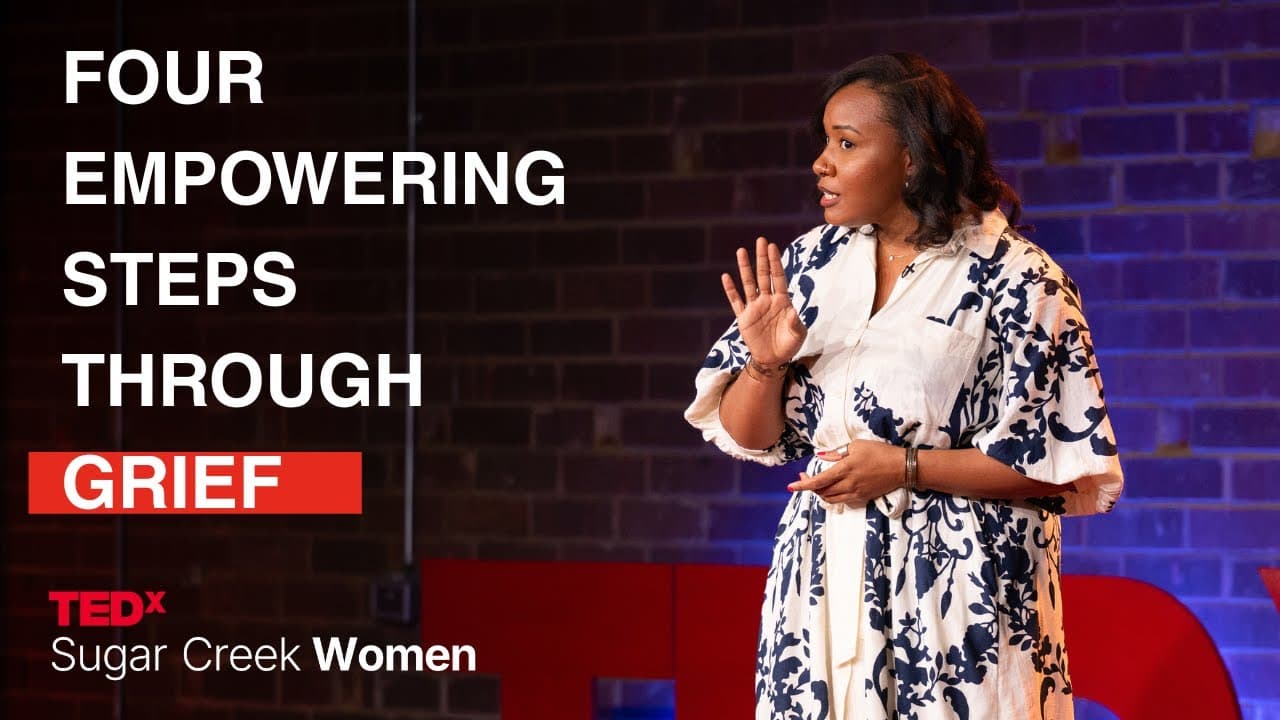
Grief is an inevitable part of life, often triggered by significant changes or losses. Shari Tate emphasizes the importance of integrating grief into our personal narratives as a way to heal. By reframing grief as a verb and a part of life's ongoing story, individuals can find peace and meaning through storytelling and self-reflection.
Transcript
[applause] The two biggest fears people have are public speaking followed by death. And since dying didn't kill me, I figured I'd give public speaking a shot. [laughter] Yes, I have died a couple of times. Actually, nearly. Uh, my first near-death experience, I was 18. And no, this movieesque montage of my life didn't flash before my eyes. It was s... Read More
Key Insights
- Grief is an involuntary action that accompanies major life changes.
- Unprocessed grief can manifest negatively in our lives and relationships.
- Cultural loss of tools and support systems hinders grief navigation.
- Reframing grief as a verb allows for better integration into life stories.
- Storytelling and writing can help navigate and process grief effectively.
- Acknowledging and sharing grief can lead to healing and connection.
- Editing personal narratives is essential for growth and healing.
- Publishing personal stories can be daunting but leads to personal growth.
Install to Summarize YouTube Videos and Get Transcripts
Explore YouTube Video Summarizer or Get YouTube Transcript Extractor
Questions & Answers
Q: How can storytelling help in processing grief?
Storytelling allows individuals to integrate grief into their personal narratives, making it a part of their ongoing life story. By reframing grief as a verb, people can process their emotions, find meaning, and heal. Sharing these stories fosters connection and understanding, helping both the storyteller and the audience to navigate their grief.
Q: What does it mean to integrate grief into one's life story?
Integrating grief into one's life story means acknowledging it as a continuous process rather than a fixed state. It involves recognizing grief as a natural response to life's changes and incorporating it into personal narratives. This approach helps individuals process emotions, find meaning, and create a more cohesive and healing story of their lives.
Q: Why is reframing grief as a verb beneficial?
Reframing grief as a verb emphasizes its ongoing and active nature, allowing individuals to see it as a process rather than a static condition. This perspective helps people understand that grief is a part of life's transitions and encourages them to integrate it into their narratives, fostering healing and personal growth.
Q: How does unprocessed grief affect individuals?
Unprocessed grief can manifest in negative ways, impacting relationships, health, and overall well-being. It may lead to emotional distress, physical symptoms, and strained interactions with others. Without proper tools and support, individuals may struggle to navigate their grief effectively, hindering their ability to heal and move forward.
Q: What role does cultural narrative play in grief processing?
Cultural narratives often lack the tools and support systems necessary for effective grief processing. This absence can leave individuals feeling isolated and unable to navigate their grief. By reclaiming and reshaping cultural narratives, people can find better ways to support each other and integrate grief into their lives, fostering healing and connection.
Q: How can editing personal narratives aid in grief processing?
Editing personal narratives allows individuals to revisit and reshape their stories, integrating grief and finding new meanings. This process helps in acknowledging emotions, creating a sense of control, and fostering healing. By editing their narratives, people can craft new endings and move towards personal growth and acceptance.
Q: What challenges might arise when sharing personal grief stories?
Sharing personal grief stories can be daunting due to vulnerability and fear of judgment. Individuals may struggle with exposing their emotions and uncertainties about how their stories will be received. However, sharing these stories can lead to personal growth, healing, and a deeper connection with others, despite the initial challenges.
Q: How does publishing personal stories contribute to personal growth?
Publishing personal stories, though intimidating, allows individuals to solidify their narratives and embrace their identities. It marks a transition from theoretical living to actualizing one's experiences, fostering personal growth and resilience. By sharing their stories, individuals can inspire others, create connections, and contribute to a collective understanding of grief and healing.
Summary & Key Takeaways
-
Grief is a natural response to life's transitions and losses. It acts involuntarily and affects every aspect of our lives. Shari Tate suggests reframing grief as a verb, which allows individuals to integrate it into their stories and find healing through storytelling.
-
Cultural narratives often lack the tools and support needed to navigate grief. By acknowledging and sharing grief stories, individuals can foster healing and connection. Writing and editing personal narratives are crucial steps in processing grief and creating new endings.
-
Sharing personal grief stories, though challenging, leads to personal growth and integration. By embracing grief as a part of one's life story, individuals can transform pain into peace and contribute positively to their collective narratives and communities.
Read in Other Languages (beta)
Share This Summary 📚
Summarize YouTube Videos and Get Video Transcripts with 1-Click
Try YouTube Summary with ChatGPT & Claude or YouTube Transcript Generator
Explore More Summaries from TEDx Talks 📚






Summarize YouTube Videos and Get Video Transcripts with 1-Click
Try YouTube Summary with ChatGPT & Claude or YouTube Transcript Generator