What Innovations Did Charles Babbage and Ada Lovelace Introduce?
TL;DR
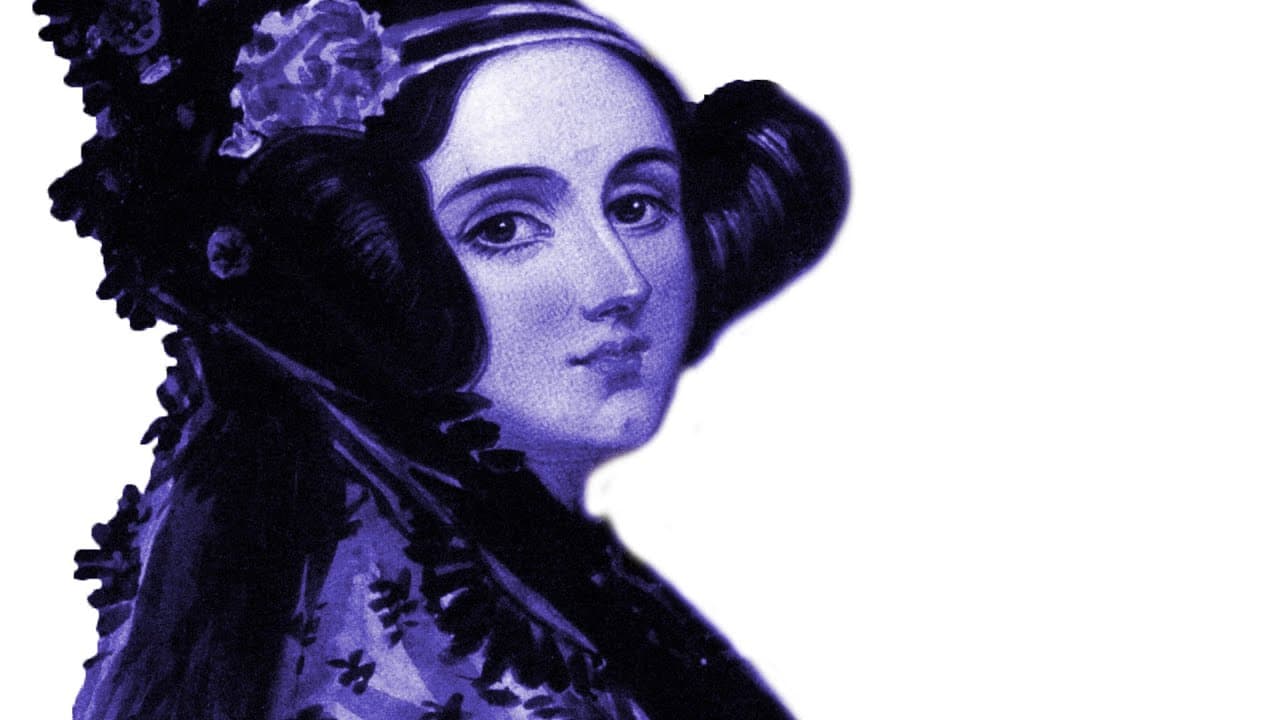
Charles Babbage revolutionized computing with his difference engines, which mechanized arithmetic, and his analytical engine that introduced the concept of automatic computing. Ada Lovelace, recognized as the first programmer, provided critical insights into the analytical engine's capabilities, emphasizing operations and programming concepts that laid the groundwork for modern computing.
Transcript
hello everybody thank you all very much for coming today and a particularly warm welcome to anybody who hasn't been to a questionable lecture before and of course happy new year I'm going to be speaking today about the mathematicians and computer pioneers Charles Babbage and here the loveliest the central figure of 19th century computing was charge... Read More
Key Insights
- 🚒 Charles Babbage pioneered the modern computer age with his difference engines and analytical engine, which introduced automatic computing.
- 🚒 Ada Lovelace's commentary on the analytical engine gave insights into the potential and introduced the concept of programming.
- 🚒 Babbage's difference engine used the method of differences to evaluate polynomials, while the analytical engine had a circular arrangement of axes and utilized punch cards for control.
Install to Summarize YouTube Videos and Get Transcripts
Explore YouTube Video Summarizer or Get YouTube Transcript Extractor
Questions & Answers
Q: What were Charles Babbage's contributions to computing?
Charles Babbage invented the difference engine, which mechanized arithmetic, and the analytical engine, which introduced the concept of automatic computing. His difference engine used the method of differences to evaluate polynomials, while the analytical engine had a circular arrangement of axes and utilized punch cards for control.
Q: How did Ada Lovelace contribute to computing?
Ada Lovelace is credited with creating the concept of programming. She produced a commentary on Charles Babbage's analytical engine, which explored its potential and identified the distinction between the analytical and difference engines. Lovelace's work emphasized the importance of the science of operations and the use of punch cards for controlling the engine.
Q: What was the difference between Babbage's difference engine and analytical engine?
Babbage's difference engine was a specialized machine for evaluating polynomials using the method of differences. It had a vertical arrangement of columns, each representing a number. The analytical engine, on the other hand, introduced the concept of automatic computing and had a circular arrangement of axes. It utilized punch cards for control and had a separate store for holding numbers and a mill for processing them.
Q: How did the work of Babbage and Lovelace influence subsequent generations of computing?
While their work had limited influence in the near hundred years after their time, their logical architecture and programming concepts found similarities with the general-purpose computers developed in the 1940s by mathematicians such as John von Neumann and Alan Turing. Babbage and Lovelace laid the foundation for future advances in computing.
Summary & Key Takeaways
-
Charles Babbage pioneered modern computer age with his difference engines, which mechanized arithmetic, and his analytical engine, which enabled automatic computing.
-
Ada Lovelace, daughter of Lord Byron, produced a perceptive commentary on the potential of the analytical engine and is credited with creating the concept of programming.
-
Babbage's difference engine was a highly specialized machine for calculating tables, while the analytical engine introduced the concept of the science of operations and had a circular arrangement of axes.
Read in Other Languages (beta)
Share This Summary 📚
Summarize YouTube Videos and Get Video Transcripts with 1-Click
Try YouTube Summary with ChatGPT & Claude or YouTube Transcript Generator
Explore More Summaries from Gresham College 📚

Summarize YouTube Videos and Get Video Transcripts with 1-Click
Try YouTube Summary with ChatGPT & Claude or YouTube Transcript Generator