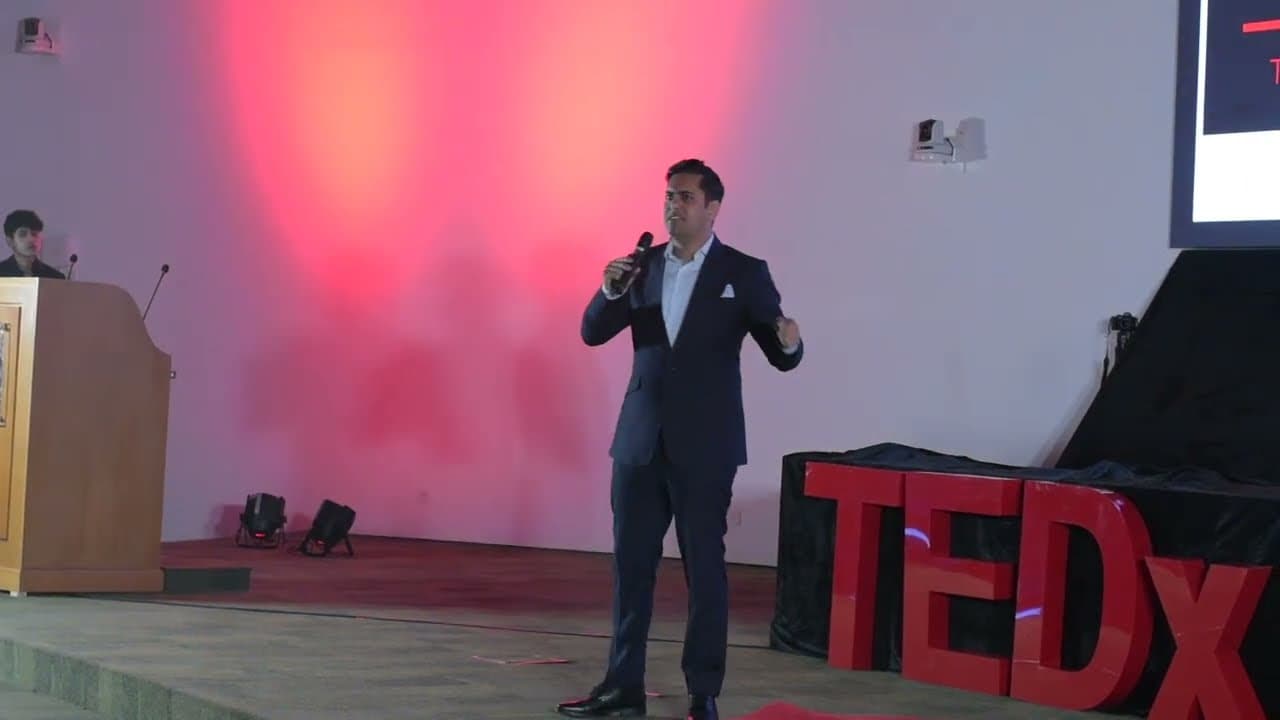
How Can We Change the Narrative of Change? | Awaid Irshad Bhatti | TEDxNUST
TL;DR
Meaningful change begins by improving life for someone within your limited sphere of influence, even if you cannot change the entire world. Awaid Irshad Bhatti illustrates this through his work as the first assistant commissioner posted to Klak, where he used crowdfunding and book donations to establish its first public library within two months. Read on for his practical response to self-doubt, systemic barriers, and unrealistic expectations.
Transcript
remember that the limited sphere that you can focus on might not change the world for everybody but it might change the world for that one somebody who needs us the most good afternoon everybody it's an honor to be here said I've grown up all my life watching deed videos so to be a part of one I must say it is truly a privilege change is a very int... Read More
Key Insights
- 🌍 Changing the world may seem like a daunting task, but focusing on making a difference in the lives of individuals is achievable and meaningful.
- 😀 The limitations and challenges faced when trying to create change should not discourage individuals from taking action.
- 🧑🏭 Small acts of kindness and positive contributions can have a significant impact on those who need it the most.
- 🌍 It is important to have realistic expectations and understand that changing the whole world may not be possible, but changing the world for someone is valuable.
- 🙈 Motivation comes from seeing the positive results and the difference created in the lives of individuals.
- ✊ While systemic issues may exist, individuals still have the power to make a positive impact within their sphere of influence.
- 🧑 Each person's unique skills and experiences can contribute to creating change in society.
Install to Summarize YouTube Videos and Get Transcripts
Explore YouTube Video Summarizer or Get YouTube Transcript Extractor
Questions & Answers
Q: How can one person create meaningful change without changing the whole world?
Focus on the limited sphere where your actions can directly help someone. Awaid Irshad Bhatti argues that an effort may not change the world for everybody, but it can change the world for one person who needs it most.
Q: Why does Awaid Irshad Bhatti say expectations about change should be realistic?
He describes changing the world as a daunting task because poverty, corruption, nepotism, and inequality persist despite previous reformers. His studies at Cambridge University and UC Berkeley taught him to create realistic expectations about what one person can accomplish.
Q: What happens when people believe they cannot change society?
Bhatti says people may begin questioning their self-worth and contribution to society, sometimes moving toward depression or anxiety. They may also decide that leaving for another country is better because they believe the system cannot change, contributing to brain drain.
Q: What did the young people of Klak identify as their biggest need?
When Bhatti gathered local youth and asked about their biggest problem, they requested a library rather than roads or hospitals. One participant explained that a library was their only place to find books and internet access.
Q: How did Awaid Irshad Bhatti create Klak's first public library?
He surveyed the city for a suitable location, started a crowdfunding campaign in the UK, and organized a book-donation drive using his popularity after topping the CSS exam. He also approached his mentor, Mr. Amjad Sak, for support, and the effort created Klak's first public library within two months.
Q: Why did Bhatti avoid relying solely on government procedures for the library?
He says red tape, government machinery, and paperwork could have delayed even laying the first brick for years. He therefore turned to crowdfunding, mentorship, and donated books to move the project forward.
Q: What conditions did Bhatti encounter when he was posted to Klak?
He describes Klak as an area affected by terrorism, poverty, destitution, and inequality. Previous officers told him that some places there had never been visited by an officer, making his posting as its first assistant commissioner especially challenging.
Q: What is the central meaning of “change the narrative of change itself”?
The phrase reframes change from transforming an entire society to making a concrete difference within one's reach. Bhatti presents the Klak library as an example: it may not have changed the whole world or city, but it addressed a need identified by local youth.
Summary & Key Takeaways
-
The speaker emphasizes the desire to change the world and create a better society by addressing the problems of poverty, destitution, and inequality.
-
They acknowledge the limitations and challenges faced when trying to bring about change, including questioning self-worth and feeling powerless against the system.
-
The speaker shares two personal stories where they made a positive impact on individuals' lives, one through creating a library and the other by providing clean water.
Read in Other Languages (beta)
Share This Summary 📚
Summarize YouTube Videos and Get Video Transcripts with 1-Click
Try YouTube Summary with ChatGPT & Claude or YouTube Transcript Generator
Explore More Summaries from TEDx Talks 📚
Summarize YouTube Videos and Get Video Transcripts with 1-Click
Try YouTube Summary with ChatGPT & Claude or YouTube Transcript Generator