How to Plan Wi-Fi Networks for IoT at Scale
TL;DR
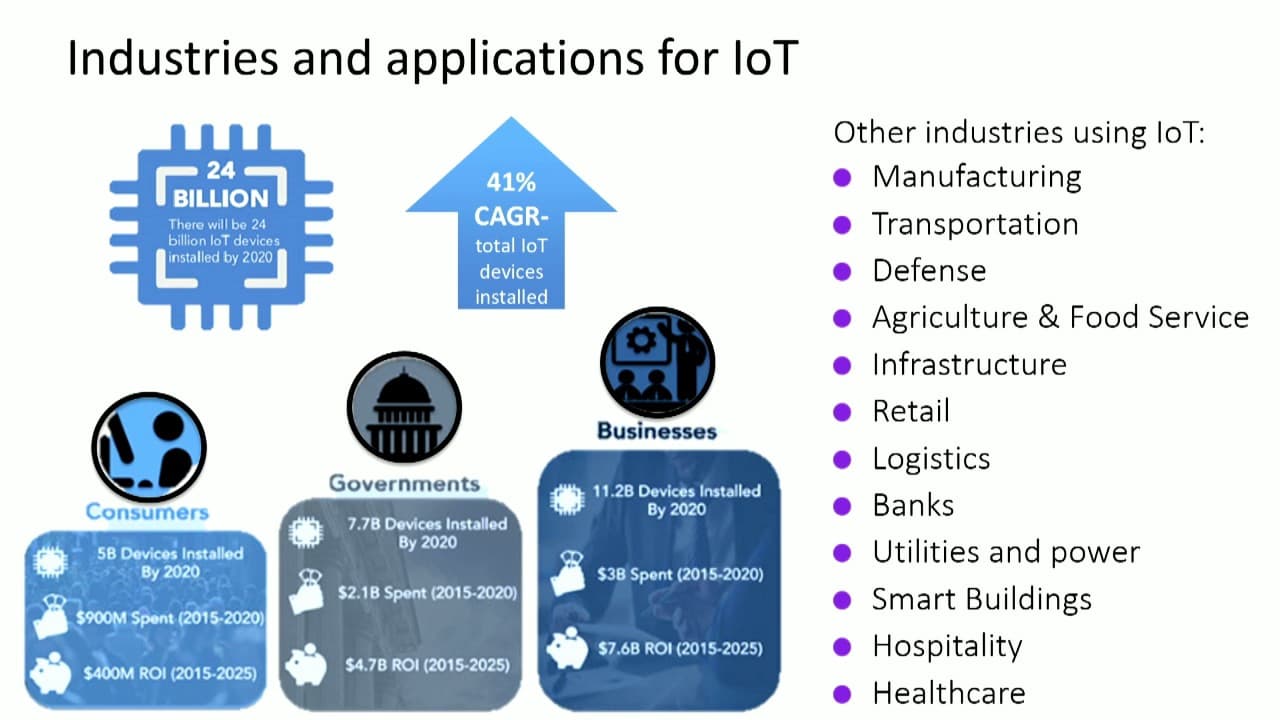
Plan IoT wireless networks by translating requirements into quality, security, and availability, then adjusting each dimension for smaller devices, bulk provisioning, greater density, and longer connection distances. IoT is more than adding connected objects because sensors, cameras, vehicles, and building systems form complex ecosystems that exchange data with one another and central repositories.
Transcript
I'm all live here? Thank you. My name is Jennifer Mannella. I'm VP of engineering with Carolina Advanced Digital. Um, we're kind of a boutiquey infrastructure, wired, wireless security firm. Um, we do a lot of network access control across the U.S. I'm based out of North Carolina. Um, so my background is, is historically been, um, wireless and infr... Read More
Key Insights
- Wireless network requirements can be organized into quality, security, and availability. Defining the network's mission and scope first allows engineers to translate operational needs into these three categories and identify how IoT use cases differ from traditional wireless LAN deployments.
- Quality is determined by bandwidth, speed, capacity, and capability. Traditional wireless networks have pursued higher bandwidth and speed because laptops run demanding applications, connected systems exchange increasing amounts of data, and mobile devices benefit from transmitting that data quickly to conserve battery power.
- Capacity is fundamentally a density concern. Wireless environments must support more devices in the same physical space because people may carry multiple phones, laptops, watches, Kindles, and other connected products, pushing wireless solutions toward designs intended for higher device density.
- Wireless security is concerned with what resources are accessed, who accesses them, which user and device are involved, and how access occurs. The physical transmission medium also affects the security discussion because wireless communication does not use the same connection model as wired access.
- Availability is whether a wireless service exists when it is needed. IoT changes the availability discussion because its use cases differ from those of conventional wireless networks, making service expectations part of the requirements that must be defined before engineers select or design infrastructure.
- IoT is a complex ecosystem rather than merely a larger collection of connected objects. Sensors and cameras can be distributed across buildings, rooms, streets, and other locations while sending data to each other and to a central repository for collection or processing.
- IoT scale changes device provisioning and management. Deployments may involve thousands, tens of thousands, hundreds of thousands, or millions of devices, including form factors too small for direct configuration, so familiar configuration databases, device setup processes, and policy distribution methods require reconsideration.
- IoT connectivity can extend across miles or kilometers rather than the few hundred feet or 100 meters associated with traditional wireless LANs. The presentation also identifies smart cities, transportation, logistics, healthcare, retail, oil, utilities, power, and smart buildings as relevant deployment settings.
Install to Summarize YouTube Videos and Get Transcripts
Explore YouTube Video Summarizer or Get YouTube Transcript Extractor
Questions & Answers
Q: How should organizations plan wireless networks for IoT?
Organizations should first define the wireless network's mission statement and scope, then map the resulting requirements to quality, security, and availability. Quality covers bandwidth, speed, capacity, and capability. Security covers resources, users, devices, access methods, and the physical medium. Availability establishes whether the service will be accessible when each IoT use case requires it.
Q: What makes IoT different from ordinary connected devices?
IoT is not simply the addition of more objects to a network. Its more mature form is a complex ecosystem containing sensors, cameras, vehicles, building monitors, and other devices that exchange information with one another and with central repositories. Different form factors, very large deployment volumes, remote placement, and limited device-level configuration distinguish these environments from traditional wireless LANs.
Q: What does wireless quality mean for an IoT network?
Wireless quality includes bandwidth, speed, capacity, and capability. Bandwidth and speed are related but distinct, while capacity concerns the density of devices within a physical area. Traditional wireless development has favored greater speed, bandwidth, and density because applications exchange more data and users carry more devices. IoT requires these quality factors to be reconsidered for different device behaviors and use cases.
Q: Why does IoT scale change device provisioning?
IoT deployments may require provisioning thousands, tens of thousands, hundreds of thousands, or even millions of devices rather than batches of 50 or 100. Some devices can also be too small to configure directly. That scale changes how teams manage inventory, configuration databases, device setup, and policy distribution, making traditional management approaches a poor fit without substantial adaptation.
Q: How does IoT affect wireless security requirements?
Wireless security planning must identify what is being accessed, who is accessing it, which user and device are involved, and how the connection is made. The physical medium also matters in wireless environments. Because IoT introduces many small, varied, and widely distributed devices, engineers must include device identity and access behavior when translating the project's scope into security requirements.
Q: Why is availability different for IoT wireless services?
Availability means that a service is present when it is needed. The presentation argues that IoT makes this consideration different from conventional wireless networking because IoT use cases are different. Sensors, building systems, cameras, and other connected objects may operate in varied locations and serve distinct functions, so availability expectations must be defined from the mission and scope of each deployment.
Q: How far can IoT devices be from their networks?
IoT devices can be farther from their connecting networks than equipment on a traditional wireless LAN. The presentation contrasts outdoor IoT distances measured in miles or kilometers with conventional wireless LAN ranges of a few hundred feet or about 100 meters. This distance difference changes the infrastructure conversation, especially for street sensors, transportation systems, and other devices deployed outside buildings.
Q: Which industries are expected to use connected IoT devices?
IoT adoption is not limited to one industry. The presentation identifies government smart-city programs, transportation, logistics, healthcare, retail, oil, utilities, power, and smart buildings as relevant areas. Examples include connected cars, Bluetooth Low Energy sensors, environmental monitors, room-level building sensors, motion sensors, cameras, and systems that return information to other devices or a central repository.
Summary & Key Takeaways
-
Wireless projects should begin with a clear mission statement and scope. Engineers can then map requirements to quality, security, and availability. Quality includes bandwidth, speed, capacity, and capability. Security addresses resources, users, devices, access methods, and the physical medium. Availability asks whether the required service is accessible when needed.
-
Traditional wireless development has emphasized greater bandwidth, higher speed, and higher density. Mobile devices benefit when data is transferred quickly, while increasingly connected applications generate more traffic. Capacity requirements have also risen because individuals may carry several wireless devices, including phones, laptops, watches, and e-readers, within the same physical space.
-
Maturing IoT environments contain sensors, cameras, connected vehicles, environmental monitors, and other devices that exchange data with each other and central repositories. Their smaller form factors, bulk provisioning requirements, and potentially long connection distances change infrastructure planning. The presentation identifies government, transportation, logistics, healthcare, retail, utilities, power, and smart buildings as affected areas.
Read in Other Languages (beta)
Share This Summary 📚
Summarize YouTube Videos and Get Video Transcripts with 1-Click
Try YouTube Summary with ChatGPT & Claude or YouTube Transcript Generator
Explore More Summaries from RSAC Cybersecurity 📚




Summarize YouTube Videos and Get Video Transcripts with 1-Click
Try YouTube Summary with ChatGPT & Claude or YouTube Transcript Generator