Why Is It Hard to Remove Plastic From the Ocean?
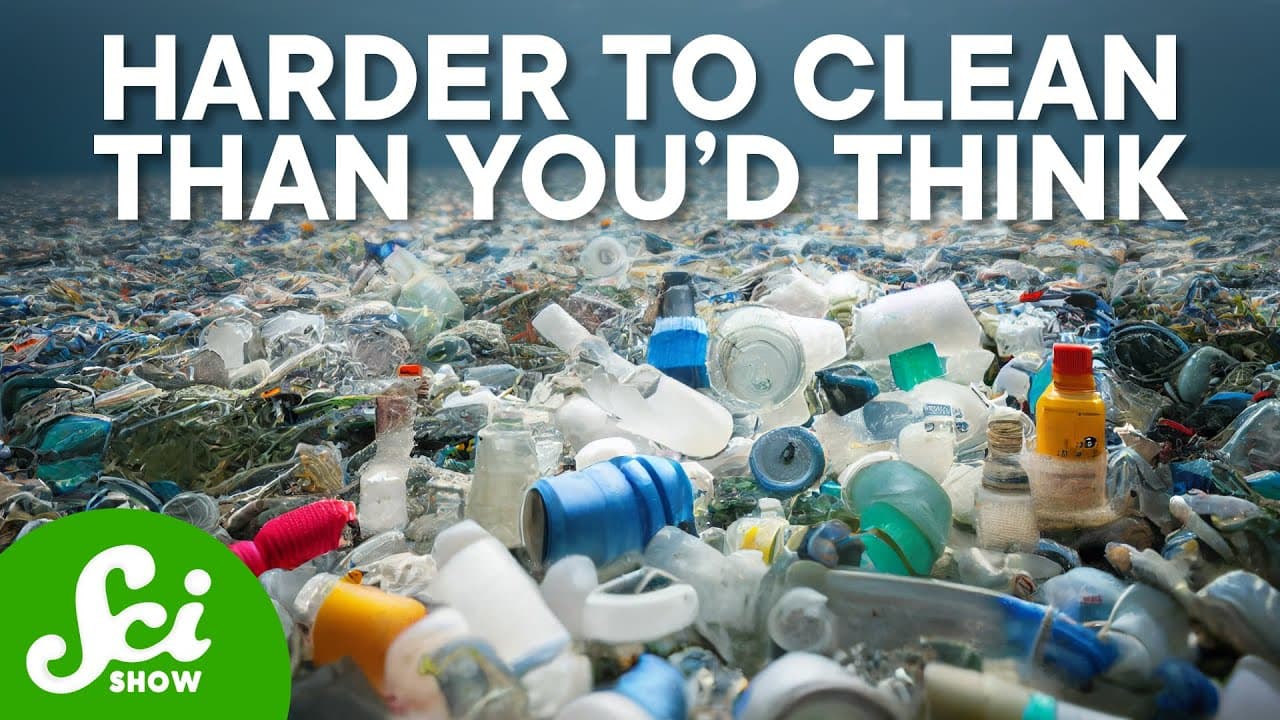
TL;DR
Removing plastic from the ocean can disrupt the neuston ecosystem, which depends on floating plastics for habitat and survival. The potential impacts of cleanup operations remain uncertain, as their effect on the replenishment rates of neuston species and the degradation of plastic are not fully understood. Thus, while cleanup is essential, it must be approached with careful consideration of ecological consequences.
Transcript
This SciShow video is supported by Ground News, a website and app that lets you compare how major events are being covered. You can go to ground.news/scishow or click the link in the description to get 30% off the Vantage level subscription. [♪ INTRO] In the Great Pacific Garbage Patch, in the North Pacific, there’s an estimated 72,000 metric to... Read More
Key Insights
- 🪡 The Great Pacific Garbage Patch and other garbage patches contain massive amounts of plastic waste, highlighting the urgent need for cleanup efforts.
- 😋 Neuston creatures rely on floating plastic for survival, using it as a habitat and a food source.
- ❎ The Ocean Cleanup's plastic cleanup operation may have both positive and negative consequences on the neuston ecosystem.
- ☠️ Uncertainties regarding the rate of neuston ecosystem replenishment and plastic degradation complicate the assessment of cleanup impacts.
- 🪡 The effectiveness of plastic cleanup operations in capturing plastic while avoiding harm to neuston creatures needs further improvement.
- 🛟 Plastic pollution negatively affects marine life through the release of toxic chemicals and ingestion.
- 💋 Microplastics, which slip through cleanup nets, also pose significant environmental threats.
Install to Summarize YouTube Videos and Get Transcripts
Explore YouTube Video Summarizer or Get YouTube Transcript Extractor
Questions & Answers
Q: How do floating plastics in garbage patches help the neuston ecosystem?
Floating plastic provides a surface for neuston creatures to attach their eggs to and serves as a food source for various marine animals like sea turtles, birds, and fish.
Q: What is The Ocean Cleanup's plastic cleanup operation?
The Ocean Cleanup uses two ships that drag a net between them to collect plastic from garbage patches in the ocean.
Q: Why is the impact of plastic cleanup on the neuston ecosystem uncertain?
The study revealed that the impact depends on how fast the neuston ecosystem replenishes itself, how quickly plastic breaks down naturally, and how effective the cleanup is at capturing plastic without harming the neuston creatures.
Q: Should we clean up plastic waste from the ocean despite the potential impacts on the neuston ecosystem?
Yes, plastic pollution has negative effects on marine life and ecosystems. Although cleanup efforts have potential consequences, they remain an important part of the solution to address plastic pollution in the ocean.
Summary & Key Takeaways
-
The Great Pacific Garbage Patch contains an estimated 72,000 metric tons of macroplastics, but there are other garbage patches with over a million pieces of floating plastic per square kilometer of ocean.
-
Neuston, a group of creatures living at the ocean's surface, use plastic as a surface to attach their eggs to and serve as a food source for sea turtles, birds, and fish.
-
A study on The Ocean Cleanup's plastic cleanup operation revealed that there is still a lack of knowledge about the impact of such operations on the neuston ecosystem.
Read in Other Languages (beta)
Share This Summary 📚
Summarize YouTube Videos and Get Video Transcripts with 1-Click
Try YouTube Summary with ChatGPT & Claude or YouTube Transcript Generator
Explore More Summaries from SciShow 📚


Summarize YouTube Videos and Get Video Transcripts with 1-Click
Try YouTube Summary with ChatGPT & Claude or YouTube Transcript Generator