How to Build Self-Trust and Set Better Boundaries
TL;DR
Build a stronger relationship with yourself by noticing physical tension, pausing to understand what you truly want, and correcting commitments that betray your needs. Choosing yourself with kindness can create greater peace, confidence, and self-trust, while a respectful cancellation and a helpful referral can protect both your boundaries and the other person’s options.
Transcript
The most important relationship in your life is the one you have with yourself. You're two people at the same time. On one side, there's the you living in the world with your job, your worries, and on the other side, there's your deeper self, huge, and your protector. Anxious people who aren't at peace and are constantly begging for love. They're p... Read More
Key Insights
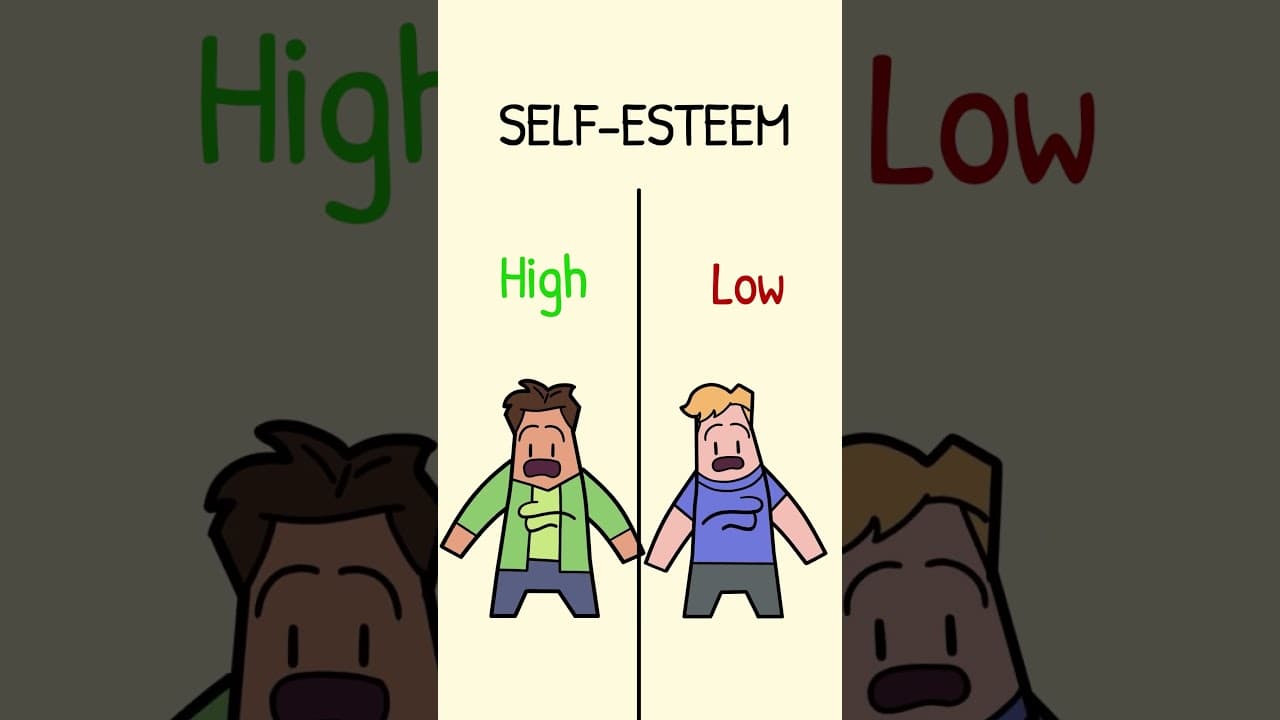
- The relationship you have with yourself is presented as the most important relationship in your life because it shapes whether you feel loved, protected, and cared for internally or depend on other people to supply those feelings.
- Anxiety and constant approval-seeking are linked to not knowing yourself or developing a caring inner relationship. When people search externally for love they do not give themselves, they may please others while repeatedly ignoring and betraying their own needs.
- The body communicates unwanted commitments through physical tension. In the example, a tight, raised shoulder and twitching eyes appear after agreeing to an obligation, signaling that the person has acted against what they genuinely want.
- Automatic agreement can create self-betrayal before conscious preferences become clear. The person accepts a request for four or five hours of weekly social media help during a call, then recognizes the reluctance only after hanging up.
- Half-hearted compliance does not necessarily earn the desired approval. A person who ignores their reluctance may perform the task unwillingly, make a poor impression, and still fail to receive the love or validation they hoped their people-pleasing would produce.
- A strong relationship with yourself involves pausing when discomfort appears. Sitting quietly and connecting with the deeper self allows physical tension to become useful information about whether a decision respects or violates personal needs.
- A respectful boundary can correct an impulsive commitment without hostility. The suggested message briefly acknowledges agreeing too quickly, clearly cancels the help, and offers the contact information of someone who provides the requested service.
- Choosing and protecting yourself strengthens self-trust. After correcting the unwanted commitment, the person feels loved, cared for, relaxed, and cheerful because the deeper self has acted as a dependable protector and made personal well-being a priority.
Install to Summarize YouTube Videos and Get Transcripts
Explore YouTube Video Summarizer or Get YouTube Transcript Extractor
Questions & Answers
Q: How can you build a stronger relationship with yourself?
A stronger relationship with yourself develops by treating your deeper self as a loving protector. Notice when your body becomes tense, pause in silence, and ask whether your decision reflects what you actually want. If you have ignored your needs to please someone, take a kind corrective action. Each time you protect your needs and choose yourself, you reinforce feelings of love, care, peace, and confidence.
Q: How does the body reveal that you crossed your own boundary?
The body can communicate self-betrayal through physical tension that appears after an unwanted decision. In the example, one shoulder becomes tight and raised, and the eyes begin twitching after the person promises several hours of social media help. These reactions indicate that the agreement conflicts with what the person wants. Paying attention to such sensations can reveal a boundary problem before resentment or unwilling compliance takes over.
Q: Why do people agree to commitments they do not want?
People may agree too quickly because they are focused on pleasing others and receiving love or approval rather than listening to themselves. The unwanted commitment can happen before they consciously recognize their reluctance. When they lack a protective inner relationship, they may continue with the task even after discomfort appears because they worry about what the other person will think and place that reaction above their own needs.
Q: How can you cancel after saying yes too quickly?
A cancellation can be direct, kind, and useful. The suggested approach is to tell the person that you jumped the gun during the earlier conversation, explain that you will not be able to help after all, and provide contact information for someone who offers the requested service. This corrects the commitment without attacking or blaming anyone, while giving the other person a practical alternative.
Q: Why does people-pleasing fail to create genuine approval?
People-pleasing can lead someone to accept work they do not genuinely want, then complete it half-heartedly. According to the example, this unwilling effort may fail to make a good impression, so the person still does not receive the love they were seeking. The behavior also damages their relationship with themselves because they have ignored internal resistance and prioritized another person’s possible opinion over their own well-being.
Q: What does it mean to treat your deeper self as a protector?
Treating your deeper self as a protector means imagining an inner presence that notices your tension, cares about your needs, and acts in your defense. When fear asks what another person might think, this protective self responds that your well-being is the priority. It helps you take an action that feels difficult, such as correcting an unwanted promise, while remaining soft, kind, and respectful toward everyone involved.
Q: How does setting a boundary strengthen self-trust?
Setting a boundary demonstrates that you will listen to and protect yourself when discomfort signals a problem. In the example, sending a kind cancellation ends the unwanted obligation and shows the inner self that its needs matter. The immediate result is relaxation, improved mood, and a sense of being loved and cared for. Repeating this kind of self-protection makes the internal relationship stronger and more dependable.
Q: What book is recommended for changing habits?
Atomic Habits is recommended as a book about how small habit changes can lead a person to a very different place. The speaker describes it as the book they wish they had read before turning 30. They also state that the first video on their profile explains how to download it for free, connecting the recommendation to the broader idea that repeated small choices can reshape a person’s direction.
Summary & Key Takeaways
-
A healthy inner relationship begins with recognizing yourself as both the person navigating daily worries and a deeper protector capable of offering love and care. People who lack this connection may seek approval externally, please others, and ignore their own needs, while people with stronger self-trust experience greater peace and confidence.
-
The social media request illustrates how self-betrayal can happen automatically. Someone agrees to spend four or five hours helping a family acquaintance before recognizing that they do not want the commitment. Afterward, a tight shoulder and twitching eyes reveal the tension created by saying yes against their genuine wishes.
-
Reconnecting with the deeper self makes a corrective response possible. The person pauses, acknowledges the unwanted commitment, and sends a kind cancellation that includes another service provider’s contact information. Protecting the boundary produces relief and strengthens self-trust. The speaker also recommends Atomic Habits as a guide to meaningful small habit changes.
Read in Other Languages (beta)
Share This Summary 📚
Summarize YouTube Videos and Get Video Transcripts with 1-Click
Try YouTube Summary with ChatGPT & Claude or YouTube Transcript Generator
Explore More Summaries from Couch Investor 📚






Summarize YouTube Videos and Get Video Transcripts with 1-Click
Try YouTube Summary with ChatGPT & Claude or YouTube Transcript Generator