What Slavery Teaches Us About Human Nature
TL;DR
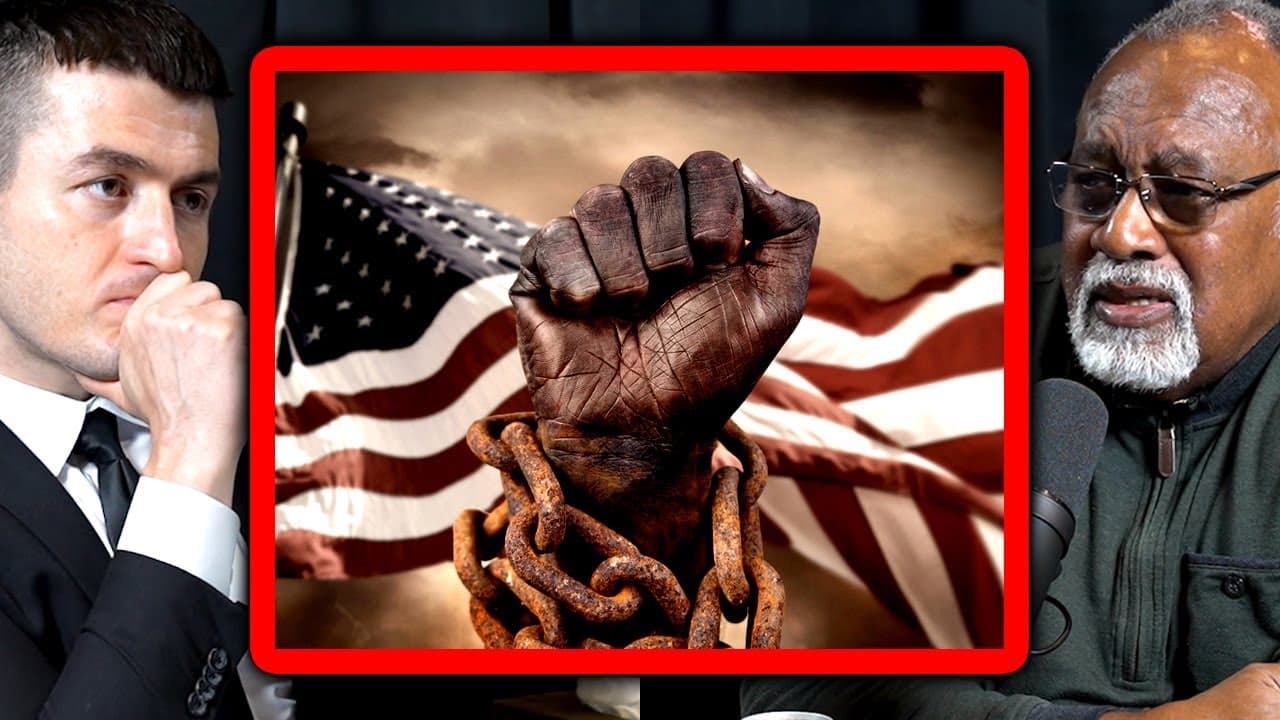
Slavery reveals a dual aspect of human nature: the capacity to overlook moral cruelty and the resilience to maintain dignity in oppression. While some accepted slavery as a norm, others fought against it, laying the groundwork for future progress. This historical reflection challenges us to recognize the injustices in our society today and the potential for individual agency to spark change.
Transcript
what do you learn about human nature by looking at the history of slavery in america oh my so what does that tell you about people well i think of two things right off the top of my head one is about the capacity of people for looking the other way in the face of uh unethical and uh you know morally profoundly problematic practice so i mean slavery... Read More
Key Insights
- 🙈 Slavery demonstrates people's ability to tolerate and ignore morally questionable practices.
- ☄️ The eradication of slavery required a movement of individuals troubled by the practice coming together to exert influence.
- 🥹 Slavery was a widespread practice globally, highlighting the need to understand how societies finally turned their backs on it.
- ❓ The achievement of abolishing slavery is worth celebrating, considering the immense progress made within a century and a half.
- 🖐️ Individual voices and charismatic leaders played significant roles in questioning and challenging the institution of slavery.
- ❓ Frederick Douglass is an example of an influential and powerful figure who challenged the ideals of equality and human dignity.
- ✊ The power of individuals to rebel and bring about change is essential in addressing injustice.
Install to Summarize YouTube Videos and Get Transcripts
Explore YouTube Video Summarizer or Get YouTube Transcript Extractor
Questions & Answers
Q: What does the history of slavery in America teach us about human nature?
The history of slavery reveals that people have the capacity to tolerate and even participate in morally problematic practices while also showcasing the resilience and survival of individuals under oppressive conditions.
Q: Why did it take so long for slavery to be abolished in America?
Slavery persisted in America for 75 years after the country's founding due to a compromise made to unite the colonies. It took a massive movement of abolitionists struggling against slavery for almost a century before it could be eradicated.
Q: How do people justify looking the other way when confronted with morally wrong practices?
Many individuals may convince themselves that there is nothing they can do to oppose morally wrong practices. Some may also dehumanize or justify the mistreatment of others based on race or cultural differences.
Q: Are there parallels between looking the other way during slavery and other historical atrocities?
Yes, the Holocaust serves as an example where many people knew about the crimes being committed but chose to look the other way or actively supported the persecution of Jews and other victims.
Summary & Key Takeaways
-
Slavery in America was a controversial practice, with half of the country opposing it while the other half depended on it for their economy and wealth.
-
The history of slavery highlights the capacity of people to tolerate morally questionable practices and the need for a movement to challenge and eradicate such practices.
-
Despite the inhumane conditions of slavery, enslaved individuals were able to sustain their dignity and lay the foundation for the development of African Americans in American society.
Read in Other Languages (beta)
Share This Summary 📚
Summarize YouTube Videos and Get Video Transcripts with 1-Click
Try YouTube Summary with ChatGPT & Claude or YouTube Transcript Generator
Explore More Summaries from Lex Clips 📚




Summarize YouTube Videos and Get Video Transcripts with 1-Click
Try YouTube Summary with ChatGPT & Claude or YouTube Transcript Generator