What Are Some Animals with Weaponized Butts?
TL;DR
Many animals have developed unique adaptations involving their rear ends for defense and predation. For example, dragonfly larvae use hydraulic pressure from their hindgut to catch prey, scorpions can sacrifice parts of their tails to escape predators at the cost of their anus, and sea cucumbers can eviscerate themselves to distract attackers. These adaptations highlight the fascinating and often overlooked capabilities of animal anatomies.
Transcript
[♪ INTRO] If you’ve been around the internet long enough, you might have discovered that wombat butts are pretty cool. I mean, they produce cube-shaped poop! You may have also heard that wombats can use their rear-ends to crush the skull of any predator who wanders into their burrow. Unfortunately, the stories of wombat combat seem to be unconf... Read More
Key Insights
- 😒 Dragonfly larvae use their rear ends for breathing, digestion, movement, and capturing prey, showcasing their versatile anatomy.
- 🥺 Scorpions can break off their tails, including their anus, to escape predators, but this leads to fatal constipation due to the inability to eliminate waste.
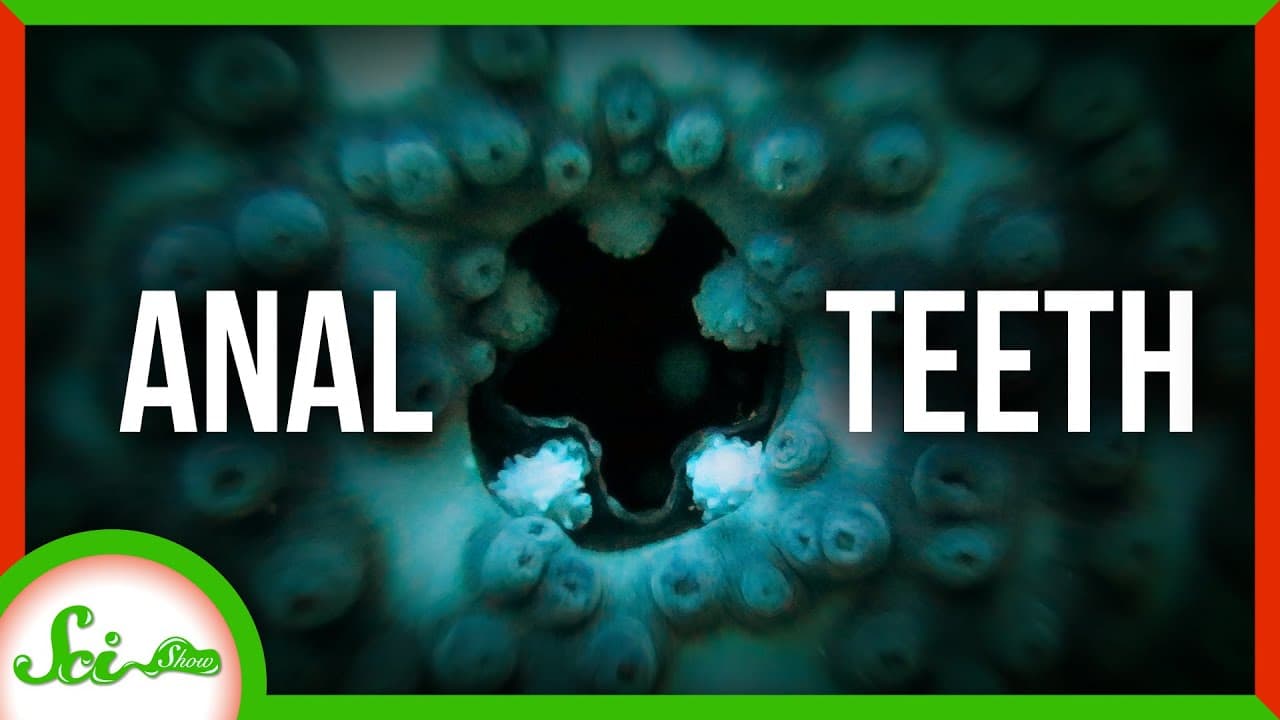
- 🤢 Sea cucumbers have various defensive mechanisms, including eviscerating their intestines, regenerating organs, and having anal teeth to prevent fish from entering.
- ⏯️ Rove beetles use their butts for both attack and defense, using secretions to surf on water and potentially attract prey.
Install to Summarize YouTube Videos and Get Transcripts
Explore YouTube Video Summarizer or Get YouTube Transcript Extractor
Questions & Answers
Q: How do dragonfly larvae use their rear ends to catch prey?
Dragonfly larvae use hydraulic pressure generated from their rear ends to shoot their mouthparts forward and grab fast-moving prey underwater.
Q: What happens when scorpions break off their tails to escape predators?
When scorpions break off their tails, including their anus, they lose the ability to get rid of waste, leading to fatal constipation.
Q: How do sea cucumbers defend themselves from fish entering their anuses?
Sea cucumbers have spines called anal teeth that prevent pearlfish from swimming into their butts, while still allowing them to breathe.
Q: What unique ability do rove beetles have with their rear ends?
Rove beetles can secrete a hydrophobic liquid from their butts to disrupt water tension, allowing them to stand on water and escape predators.
Summary & Key Takeaways
-
Dragonfly larvae have a multi-functional rear end that allows them to breathe, digest, poop, and create powerful jets of water to move and catch prey.
-
Certain species of scorpions can break off their tails, including their anus, to escape predators, but this leads to fatal constipation.
-
Sea cucumbers can eviscerate themselves, throwing their intestines out of their anuses to distract predators, and some species have spines called anal teeth to prevent fish from entering.
-
Rove beetles can secrete hydrophobic liquid from their butts to surf on water and escape danger, and there may be a species that uses butt secretions to attract flies.
-
The larvae of beaded lacewings may use farting as a way to paralyze termites and feed on them.
Read in Other Languages (beta)
Share This Summary 📚
Summarize YouTube Videos and Get Video Transcripts with 1-Click
Try YouTube Summary with ChatGPT & Claude or YouTube Transcript Generator
Explore More Summaries from SciShow 📚


Summarize YouTube Videos and Get Video Transcripts with 1-Click
Try YouTube Summary with ChatGPT & Claude or YouTube Transcript Generator