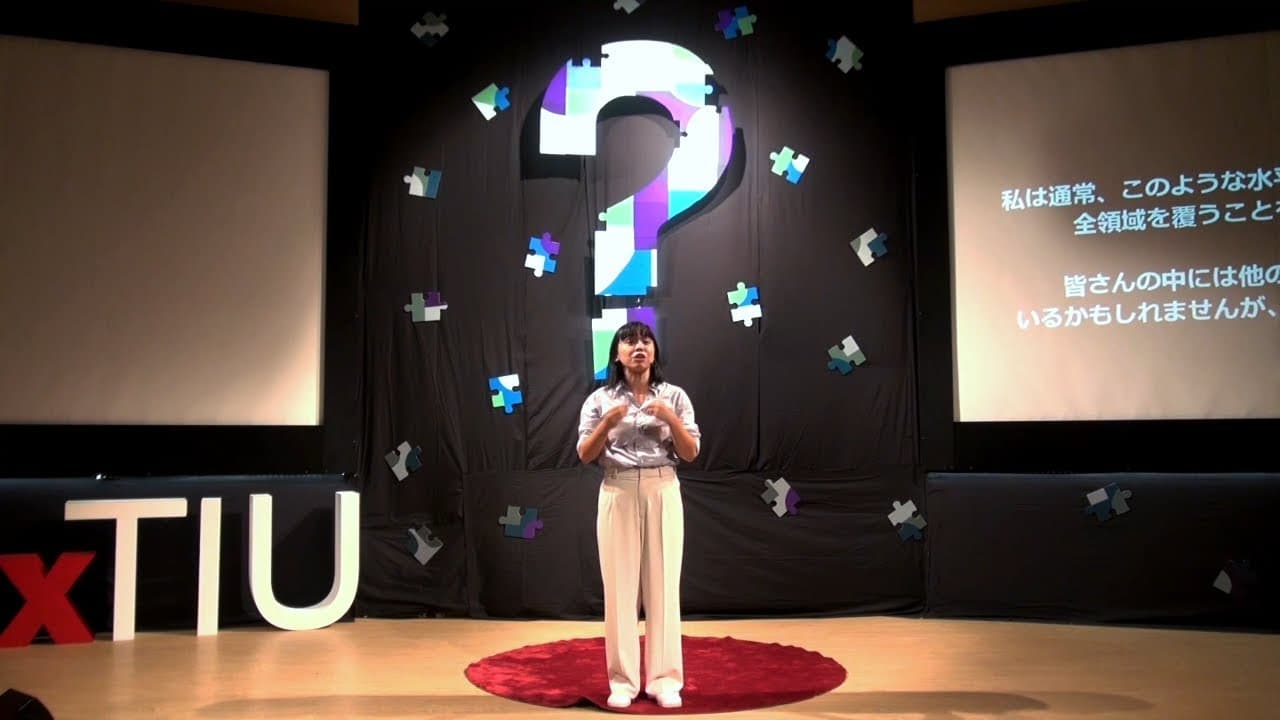
Let's Talk Breasts: Self-Checks for Early Cancer Detection | Maria Sakiko Suzuki | TEDxTIU
TL;DR
Breast self-checks help you notice changes by teaching you how your breasts normally look and feel. Maria Sakiko Suzuki describes a two-step “look and feel” routine and stresses that it is not a diagnosis; mammograms and ultrasounds serve that purpose. With survival over 90% when breast cancer is treated at its earliest stage, read on to understand the routine, warning signs, and why people of any gender should stay attentive.
Transcript
Transcriber: Martina Abrami Reviewer: Michael Nystrom Today I am going to talk about a taboo subject. Men can’t help but stare at them. Women, we can’t help but wait to release them at the end of the day. And for some people, when they see them in public doing the thing that they’re meant to do, it somehow makes them upset. And that is feeding babi... Read More
Key Insights
- 🤱 Breast cancer is a prevalent and life-threatening disease in Japan, highlighting the importance of awareness and early detection.
- 🤱 Men are also susceptible to breast cancer and should be vigilant in self-checking their breasts.
- 🤳 Self-checks are a simple and effective method for detecting changes in breast tissue and should be performed regularly to establish a baseline and monitor for any abnormalities.
- 🤳 Overcoming hesitations and normalizing self-checks can help individuals stay proactive in their breast health.
Install to Summarize YouTube Videos and Get Transcripts
Explore YouTube Video Summarizer or Get YouTube Transcript Extractor
Questions & Answers
Q: How do you perform a breast self-check?
Use the two-step routine described by Maria Sakiko Suzuki: look at your breasts and feel them. The goal is to become familiar with what is normal for your own breasts so that you can notice changes.
Q: What is the purpose of a breast self-check?
A self-check helps you establish how your breasts normally look and feel. Knowing that baseline makes it easier to detect a change and take action when needed.
Q: Can a breast self-check diagnose breast cancer?
No, a breast self-check is not meant to diagnose breast cancer. Suzuki identifies mammograms and ultrasounds as the methods used for diagnosis.
Q: What breast changes or signs should you notice?
Changes can include lumps, growing veins, hardening, indentation, asymmetry, nipple discharge, crusting, retraction, “orange peel” skin, or redness. A self-check is intended to help you notice when something differs from your normal appearance or feel.
Q: How common is breast cancer in Japan?
Breast cancer is described as the most common cancer in Japan, affecting 1 in 9 women. The talk also states that 1 in 6 of those women will not survive the disease.
Q: What is the survival rate for breast cancer detected early?
The survival rate is over 90% when breast cancer is treated at its earliest stage. When treated at stage one, the survival rate is over 98%.
Q: Can men get breast cancer?
Yes, men can also develop breast cancer. About 1 in 150 breast cancer patients are men, so the talk encourages men to pay attention as well.
Q: How can breast self-checks become less intimidating?
Suzuki suggests treating self-checks like routine earthquake drills in Japan. Repeating them regularly can normalize the experience, reduce fear or hesitation, and make getting to know your normal breasts feel like a safety exercise.
Summary & Key Takeaways
-
Breast cancer is the most common cancer in Japan, affecting 1 in 9 women, and 1 in 6 women will die from it.
-
The survival rate for breast cancer is over 90% if detected at the earliest stage.
-
Men can also get breast cancer, with 1 in 150 breast cancer patients being male.
Read in Other Languages (beta)
Share This Summary 📚
Summarize YouTube Videos and Get Video Transcripts with 1-Click
Try YouTube Summary with ChatGPT & Claude or YouTube Transcript Generator
Explore More Summaries from TEDx Talks 📚



Summarize YouTube Videos and Get Video Transcripts with 1-Click
Try YouTube Summary with ChatGPT & Claude or YouTube Transcript Generator