The Panama Papers exposed a huge global problem. What's next? | Robert Palmer
TL;DR
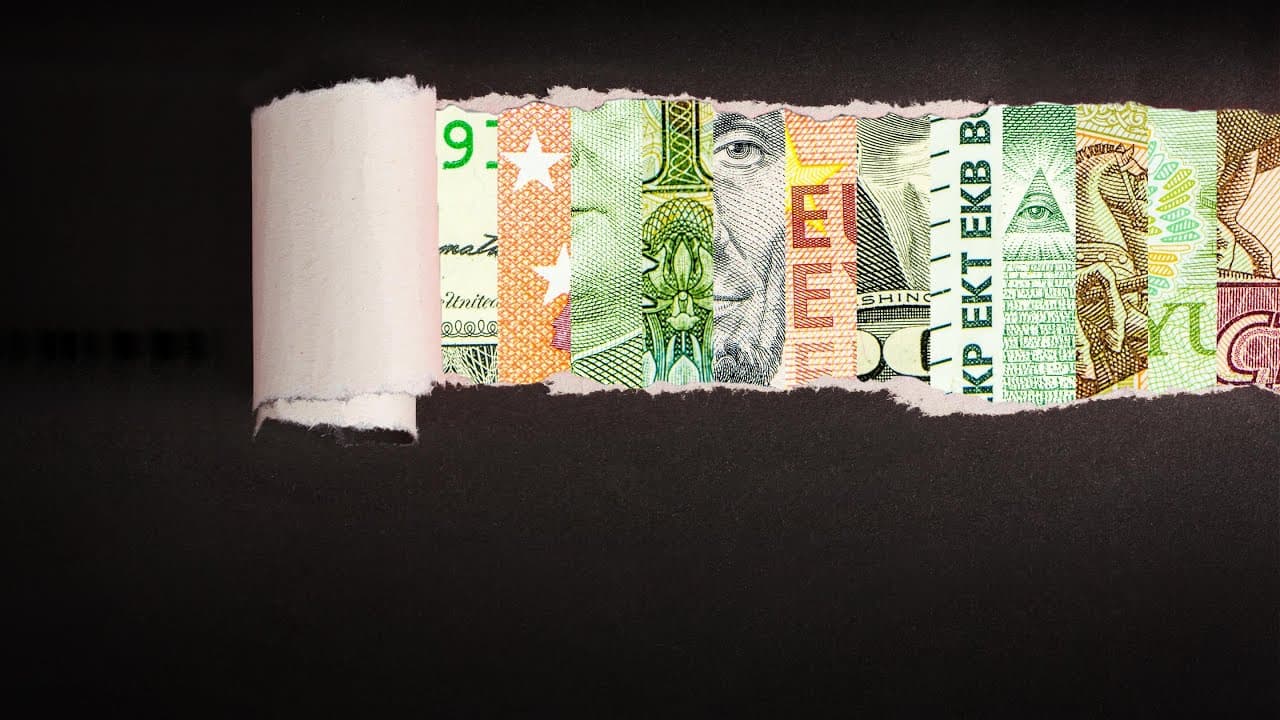
The Panama Papers showed how anonymous offshore companies can hide assets and enable tax evasion, corruption, poverty, and instability. The April 3, 2016 leak comprised 11 million documents from Mossack Fonseca and triggered the resignation of Iceland’s prime minister. Robert Palmer of Global Witness argues that public ownership registers and stronger transparency rules can make such secrecy harder, so read on to understand the system and proposed reforms.
Transcript
[On April 3, 2016 we saw the largest data leak in history.] [The Panama Papers exposed rich and powerful people] [hiding vast amounts of money in offshore accounts.] [What does this mean?] [We called Robert Palmer of Global Witness to explain.] This week, there have been a whole slew and deluge of stories coming out from the leak of 11 million docu... Read More
Key Insights
- 🔍 The Panama Papers leak exposed rich and powerful individuals hiding money in offshore accounts, leading to immediate repercussions such as the resignation of the Prime Minister of Iceland.
- 💰 Offshore secrecy allows clients, banks, and lawyers to establish anonymous companies, depriving countries of tax revenue for public services like healthcare and education.
- 📰 The leak has caught global attention, with greater coverage outside the United States possibly due to fewer American clients of Mossack Fonseca.
- ♀️ Understanding the offshore world is challenging, comparable to a Russian doll with layers of nested companies, making it difficult to identify the true beneficiaries and structure behind these entities.
- 💡 The undercover investigation by Global Witness revealed that most lawyers at 13 Manhattan law firms suggested ways to move suspect funds, highlighting the systemic issue of corruption, tax evasion, and instability.
- 🏛️ To tackle this issue, the rules of the game need to be changed by advocating for greater transparency in company ownership and pushing for legislation to end financial secrecy.
- 🌍 The leak presents an opportunity for change, as there has been progress towards transparency in Europe but lagging behind in the US.
- 😡 Ordinary people, business leaders, and political leaders need to get angry, take a stand, and demand action to end the secrecy that enables tax evasion, corruption, and money laundering.
Install to Summarize YouTube Videos and Get Transcripts
Explore YouTube Video Summarizer or Get YouTube Transcript Extractor
Questions & Answers
Q: What did the Panama Papers expose, and what should happen next?
The Panama Papers exposed how rich and powerful people could use anonymous offshore companies to hide and disguise assets. Robert Palmer of Global Witness says governments should change the rules by increasing transparency about who truly owns and controls companies.
Q: Why do the Panama Papers matter to ordinary people?
When rich and powerful individuals keep money offshore and do not pay the taxes they should, less money is available for healthcare, education, and roads. Palmer says offshore secrecy has also enabled scammers to exploit vulnerable investors and employees of school districts to rip off schoolchildren.
Q: How does the secretive offshore system work?
Clients, banks, and lawyers can approach firms such as Mossack Fonseca to obtain anonymous companies. Palmer compares the resulting structures to Russian dolls because one company can be stacked inside another, making the real people behind them extremely difficult to identify.
Q: What immediate repercussions followed the Panama Papers leak?
Iceland’s prime minister resigned after the leak. The reporting also connected offshore companies to an ally of Bashar Al-Assad and raised allegations of a $2 billion trail leading toward Vladimir Putin through a close childhood friend.
Q: Why did the Panama Papers receive less coverage in the United States?
Palmer suggests that prominent Americans appeared less often because Mossack Fonseca had fewer American clients. He says leaks from the Cayman Islands, Delaware, Wyoming, or Nevada might reveal more cases connected to Americans.
Q: What did Global Witness find at 13 Manhattan law firms?
An undercover investigator posed as an African minister seeking to move suspect funds into the United States to buy a house, yacht, and jet. All but one of the lawyers offered suggestions, although the meetings were preliminary, no lawyer accepted the investigator as a client, and no money changed hands.
Q: What transparency reforms does Robert Palmer support?
Palmer supports central registers identifying who truly owns and controls companies. He notes that the European Union was moving toward national registers, while bipartisan legislation introduced in the US House and Senate was making less progress than Global Witness wanted.
Q: Why does Robert Palmer describe the Panama Papers as a moment for change?
The leak gave global media and political leaders a view into offshore secrecy and how people use it to conceal assets. Palmer calls for ordinary people to oppose secret companies and demand rules that make tax evasion, corruption, and money laundering harder.
Summary & Key Takeaways
-
The Panama Papers is the largest data leak in history, exposing wealthy individuals hiding large sums of money in offshore accounts.
-
The leak has already resulted in the resignation of Iceland's Prime Minister and allegations against Syrian dictator Bashar Al-Assad and Russian President Vladimir Putin.
-
Offshore secrecy affects ordinary people by reducing funding for public services like healthcare and education, and highlights the need for greater transparency and change in the system.
Read in Other Languages (beta)
Share This Summary 📚
Summarize YouTube Videos and Get Video Transcripts with 1-Click
Try YouTube Summary with ChatGPT & Claude or YouTube Transcript Generator
Explore More Summaries from TED 📚
Summarize YouTube Videos and Get Video Transcripts with 1-Click
Try YouTube Summary with ChatGPT & Claude or YouTube Transcript Generator