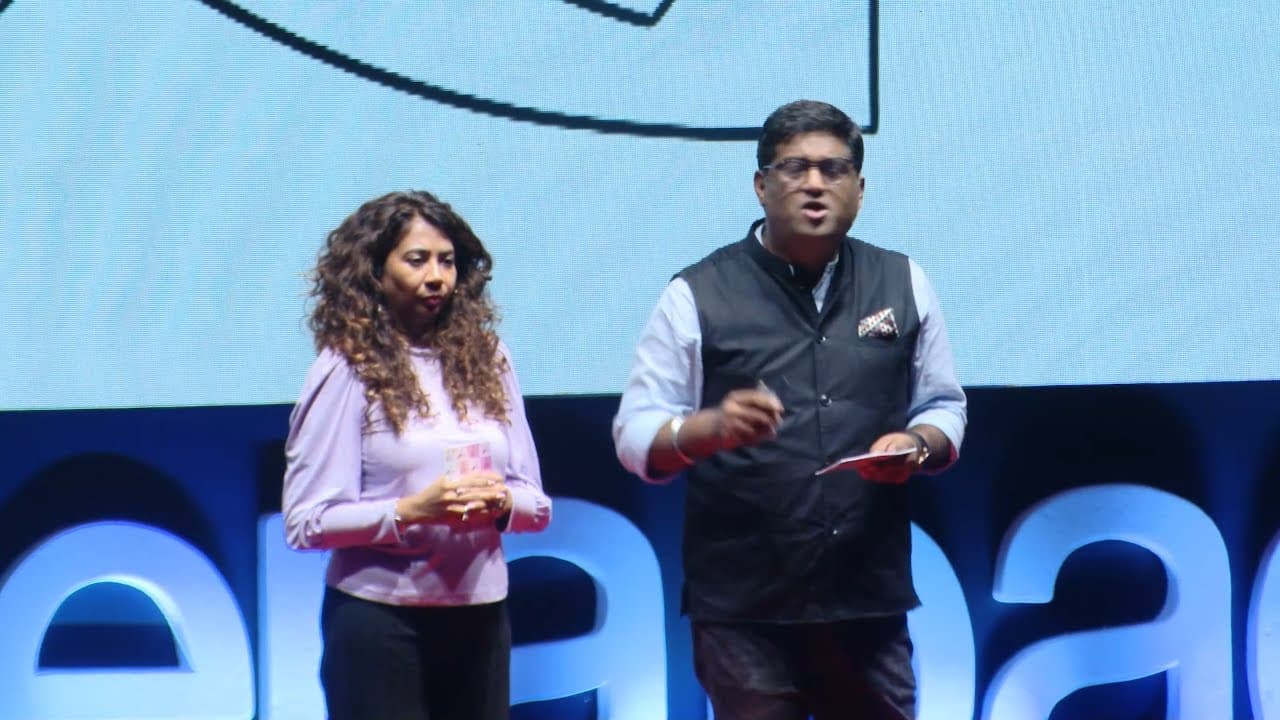
Pause to Cancel the Cancel Culture | Ritesh Bhatia & Nirali Bhatia | TEDxHyderabad
TL;DR
Cancel culture can turn unverified or manipulated social media content into cyber harassment, public shaming, violence, and lasting mental-health harm. Ritesh Bhatia and Nirali Bhatia explain how hashtags, bots, fake accounts, edited videos, deepfakes, and cloned voices fuel herd reactions; more than 30 people were reportedly killed in five years because of fake news spread through WhatsApp alone. Read on to understand the consequences and how pausing before reacting can help.
Transcript
thank you very recently the ex-chief Justice of India SRI Envy Ramana said that the New Media tools have enormous amplifying ability but they appear to be incapable of distinguishing between the right and the wrong the good and the bad and the real and the fake I repeat the real and the fake yes friends all it takes is just one hashtag just one has... Read More
Key Insights
- 💁 Social media platforms have a powerful influence on public opinion and can easily distort and manipulate information.
- 🥺 Cancel culture online often disregards due process and can lead to the unjust shaming and labeling of individuals.
- 🌀 Fake news, deepfakes, and cloned voices further contribute to the spread of misinformation and the escalation of cancel culture.
- 🥺 Cancel culture affects not only individuals but also bystanders and counselors, leading to fear, guilt, and a lack of empathy.
- 🧑⚕️ Teenagers are particularly vulnerable to the negative effects of cancel culture, including social ostracization, trust issues, and mental health problems.
- 🔨 The pause technique can be an effective tool in countering cancel culture by promoting thoughtful responses rather than impulsive reactions.
- 🌍 The damaging consequences of cancel culture reach beyond the online world and have resulted in violence and even murder.
Install to Summarize YouTube Videos and Get Transcripts
Explore YouTube Video Summarizer or Get YouTube Transcript Extractor
Questions & Answers
Q: What is cancel culture, and why is it dangerous?
Canceling is the act of boycotting or publicly shaming someone for an actual or perceived transgression. It becomes dangerous when social media users act as judge, jury, and executioner, automatically labeling someone guilty without distinguishing fact from opinion or allowing due process.
Q: How can social media turn an accusation into lasting harm?
In 2015, a Delhi woman posted a man's photo on Facebook and accused him of sexual harassment. Social media users demonized him with the label “Delhi ka darinda,” and although he was acquitted four years later, the label continued to affect his life.
Q: What drives cancel culture on social media?
The speakers attribute it to a culture of conformity that overrides individual judgment and produces herd reactions. Bots, fake accounts, paid trolls, highly opinionated posts, selected facts, trending hashtags, and media coverage can all influence social media users' verdicts.
Q: How do edited videos, deepfakes, and cloned voices fuel misinformation?
Trimmed videos can remove context and make public figures appear to say things they did not mean. AI-powered deepfakes can create realistic fake sexual content used to shame, harass, or intimidate targets, while cloned voices can be generated in less than 20 seconds and used to spread misinformation.
Q: Can cancel culture and fake news cause violence in real life?
Yes. In Maharashtra, five people were beaten to death by a mob after unverified WhatsApp forwards created suspicions of child lifting, and the speakers state that fake news spread through WhatsApp alone caused more than 30 deaths over five years.
Q: Why are teenagers especially vulnerable to cancel culture?
Peer connection and approval are especially important during the teenage years, making social ostracism deeply damaging. Teens may cancel peers through hateful comments or unfollows for reasons such as being considered needy, their appearance, or liking unpopular music or movies.
Q: What mental-health effects can teenage cancel culture cause?
Canceled teenagers may struggle for years to feel that they belong in a peer circle. The stated outcomes include trust issues, clinical depression, anxiety, and suicidal thoughts, while counselors and bystanders may also experience fear, guilt, and reduced empathy.
Q: How can individuals help counter cancel culture?
Individuals can become upstanders and use the pause technique before reacting, sharing content, or passing judgment. That pause can interrupt emotionally triggered responses and encourage more thoughtful engagement instead of adding reactions and verdicts to an online pile-on.
Summary & Key Takeaways
-
New media tools have the ability to amplify information but struggle to differentiate between right and wrong, leading to the rise of cancel culture and cyber harassment.
-
Examples of individuals who faced unjust consequences based on social media judgments are highlighted, emphasizing the power of social media trials.
-
Cancel culture extends beyond online platforms and affects real-life outcomes, such as violence, murder, and the mental health of teenagers.
Read in Other Languages (beta)
Share This Summary 📚
Summarize YouTube Videos and Get Video Transcripts with 1-Click
Try YouTube Summary with ChatGPT & Claude or YouTube Transcript Generator
Explore More Summaries from TEDx Talks 📚
Summarize YouTube Videos and Get Video Transcripts with 1-Click
Try YouTube Summary with ChatGPT & Claude or YouTube Transcript Generator