How Did Rousseau Influence Romantic Poetry and Sensibility?
TL;DR
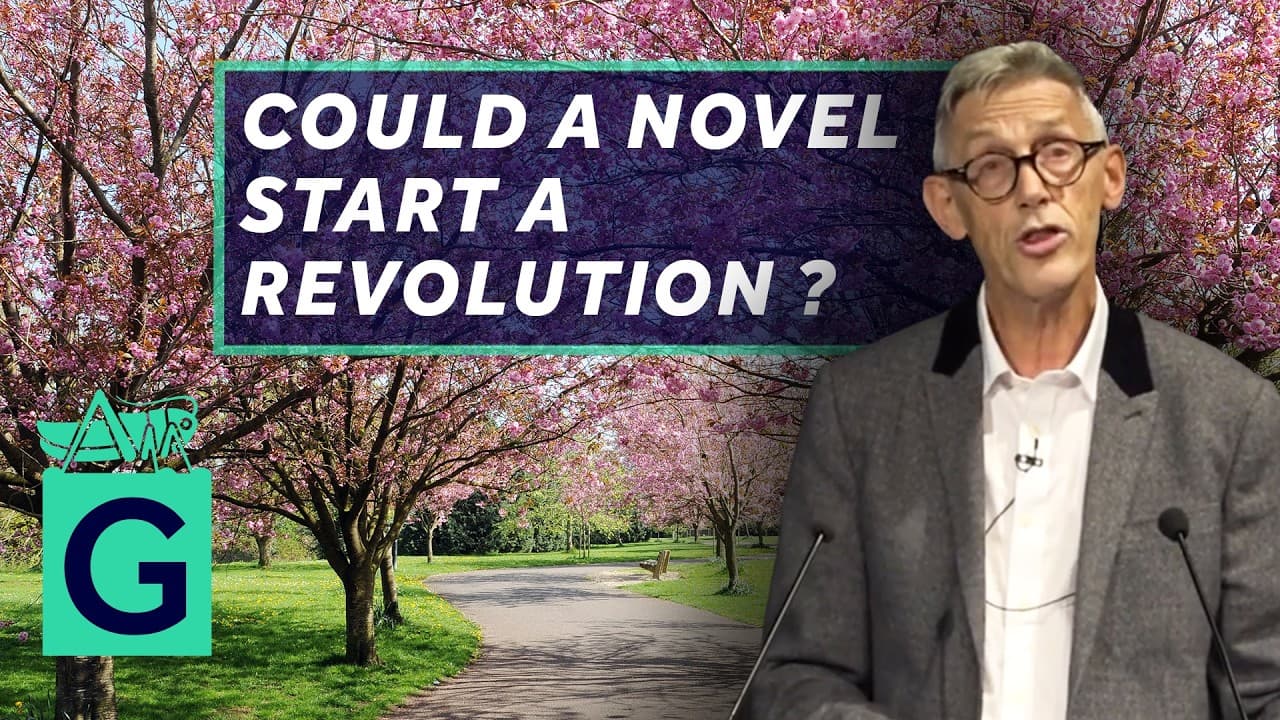
Jean-Jacques Rousseau's novel 'Nouvelle Eloise' significantly shaped attitudes towards emotions and relationships during the 18th century, igniting the Romantic sensibility. This literary movement embraced extreme emotions, with Wordsworth's poem, 'Sonnet on Seeing Miss Helen Mariah Williams Weep at a Tale of Distress,' embodying the themes of sympathy and fellow feeling central to this artistic revolution.
Transcript
my previous lecture I suggested that one of the key figures in the ferment that led up to the astonishing decade that began with the fall of the Bastille in 1789 was jean-jacques rousseau whose social contract led many of the intellectual foundations of the Revolution I also suggested that along with the political revolution there was a revolution ... Read More
Key Insights
- 🇬🇫 Jean-Jacques Rousseau's novel, "Nouvelle Eloise," had a significant influence on the French Revolution and the revolution in sensibility.
- 🖐️ Sensibility, characterized by extreme emotion and sympathy, played a central role in the spread of the cult of sensibility during the 18th century.
- ✊ William Wordsworth's poetry reflected the ideas of sensibility and sympathy, capturing the power of emotions and invoking a sense of fellow feeling and empathy.
Install to Summarize YouTube Videos and Get Transcripts
Explore YouTube Video Summarizer or Get YouTube Transcript Extractor
Questions & Answers
Q: How did Jean-Jacques Rousseau's novel, "Nouvelle Eloise," contribute to the French Revolution?
"Nouvelle Eloise" played a significant role in shaping attitudes towards emotions, women, sexual relations, and children during the 18th century. It offered a declaration of the rights of feeling that corresponded with the Declaration of the Rights of Man, thereby influencing the intellectual foundations of the Revolution.
Q: What was the role of sensibility in the spread of the cult of sensibility?
Sensibility, characterized by extreme emotion and sympathy for suffering humanity, was a key concept in the spread of the cult of sensibility. It allowed readers to connect with the powerful emotions depicted in novels like "Julie, or the New Heloise" and created a sense of fellow feeling and benevolence towards others.
Q: How did William Wordsworth's poetry reflect the ideas of sensibility and sympathy?
Wordsworth's poetry, particularly his sonnet on seeing Miss Helen Mariah Williams weep at a tale of distress, emphasized the power of extreme emotion and sympathy. He sought to capture the intense feelings associated with sensibility, giving his readers a momentary pause from daily routine by evoking sensations felt in the blood and along the heart.
Q: How did the connection between sensibility and revolutionary politics shape the literature of the Romantic period?
The connection between sensibility and revolutionary politics led to a revolution in poetry during the Romantic period. The emphasis on emotions, sympathy, and extreme feelings in literature reflected the broader cultural and political changes taking place at the time. It challenged traditional forms and embraced a more natural and authentic approach to writing.
Summary & Key Takeaways
-
The lecture discusses the impact of Jean-Jacques Rousseau's novel, "Nouvelle Eloise," on the French Revolution and the revolution in sensibility.
-
It explores the popularity and influence of Rousseau's novel in shaping attitudes towards emotions, women, sexual relations, and children during the 18th century.
-
The lecture then delves into the connection between Rousseau's declaration of the rights of feeling and Wordsworth's poem, "Sonnet on Seeing Miss Helen Mariah Williams Weep at a Tale of Distress," highlighting the themes of sympathy and extreme emotion prevalent in both works.
Read in Other Languages (beta)
Share This Summary 📚
Summarize YouTube Videos and Get Video Transcripts with 1-Click
Try YouTube Summary with ChatGPT & Claude or YouTube Transcript Generator
Explore More Summaries from Gresham College 📚

Summarize YouTube Videos and Get Video Transcripts with 1-Click
Try YouTube Summary with ChatGPT & Claude or YouTube Transcript Generator