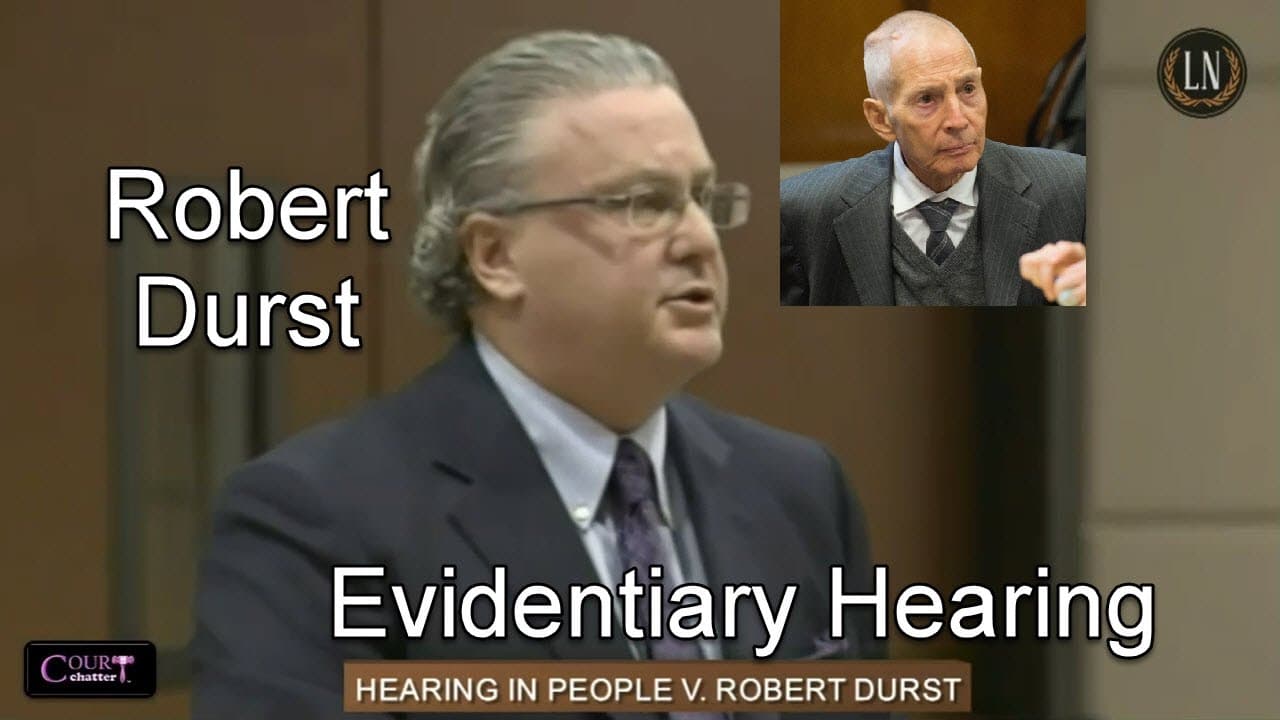
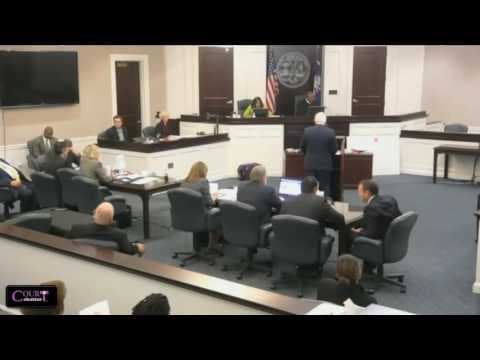
Robert Durst Evidentiary Hearing Part 2 12/21/16
TL;DR
The Robert Durst evidentiary hearing focused on attorney-client privilege and a proposed February 14 conditional examination intended to preserve witness testimony. The court struck a proposed finding that privilege had already been waived and planned to appoint a special master to examine and seal seized materials. The defense argued that tens of thousands of discovery pages left too little time to prepare for recorded cross-examination. Read on for the court’s response and each side’s reasoning.
Transcript
on the issue of whether or not he has Saed his attorney client privilege and third I will appoint a special Master to examine the seiz materials uh to uh examine them seal them and uh wait for the Court's instructions uh for their disposal or delivery and that is uh that for the purpose of uh protecting Mr dur uh privilege Communications and the pr... Read More
Key Insights
- 🦻 The court hearing involved discussions about the importance of conducting a conditional examination of witnesses and the need to preserve witness testimony.
- 🤨 The defense raised concerns about the lack of time to review the discovery materials and adequately prepare for the examination.
- ❓ The prosecution emphasized the potential unavailability of witnesses and argued for the examination to be conducted on February 14th.
- 📅 The court decided to tentatively schedule the examination for that date, pending objections from the defense.
- 🦻 The issues of conditional examination and waiver of attorney-client privilege were central to the hearing.
- 🛟 The prosecution sought to ensure that witness testimonies were preserved, while the defense highlighted the need for adequate time to review discovery materials and prepare for the examination.
- 📅 The court indicated a willingness to consider objections from the defense before finalizing the schedule for the conditional examination.
Install to Summarize YouTube Videos and Get Transcripts
Explore YouTube Video Summarizer or Get YouTube Transcript Extractor
Questions & Answers
Q: What were the main issues in Robert Durst Evidentiary Hearing Part 2 on 12/21/16?
The hearing addressed whether attorney-client privilege had been waived and how seized materials should be reviewed. It also covered the prosecution’s proposed February 14 conditional examination and the defense’s claim that it lacked enough preparation time.
Q: Did the court find that Robert Durst had waived attorney-client privilege?
The court did not adopt the proposed finding of waiver at this stage. The judge said paragraph two of the proposed order, which requested such a finding, would be struck in its entirety.
Q: Why did the court appoint a special master?
The court planned to appoint a special master to examine and seal the seized materials while awaiting further instructions about their disposal or delivery. The stated purpose was to protect Durst’s privileged communications, other people’s privileged communications, and attorney work product.
Q: What was the proposed date for the conditional examination?
The prosecution proposed holding the conditional examination on Valentine’s Day, February 14. The court tentatively scheduled it for that date while allowing the defense to raise objections.
Q: Why did the prosecution seek a conditional examination?
The prosecution wanted to preserve testimony in case a witness became unavailable for trial. The existing hearing summary identifies an 86-year-old witness whose age or infirmity could affect availability.
Q: Why did the defense object to the February 14 examination date?
The defense said it could not adequately prepare because the case involved tens of thousands of pages of discovery that had not all been reviewed. Counsel also said formal notice identifying the proposed witness had arrived only the previous evening.
Q: How could the conditional examination affect Robert Durst’s defense rights?
The defense argued that the recorded examination would involve confrontation and cross-examination and could later be shown to a jury. Counsel maintained that proceeding before reviewing the relevant discovery would impair Durst’s right to effective assistance and his ability to review the evidence with his lawyers.
Q: How many conditional witnesses were being considered?
Defense counsel said prosecutors had previously discussed approximately eight or 10 conditional witnesses. According to the defense, only two had been named by the time of this hearing.
Summary & Key Takeaways
-
The court hearing involved discussions about the conditional examination of witnesses and the waiver of attorney-client privilege.
-
The defense expressed concerns about the lack of time to review the discovery materials and prepare for the examination.
-
The prosecution argued for the need to conduct the conditional examination on February 14th and emphasized the importance of preserving witness testimony.
-
The court decided to tentatively schedule the conditional examination for February 14th, pending objections from the defense.
Read in Other Languages (beta)
Share This Summary 📚
Summarize YouTube Videos and Get Video Transcripts with 1-Click
Try YouTube Summary with ChatGPT & Claude or YouTube Transcript Generator
Explore More Summaries from Law&Crime Network 📚




Summarize YouTube Videos and Get Video Transcripts with 1-Click
Try YouTube Summary with ChatGPT & Claude or YouTube Transcript Generator