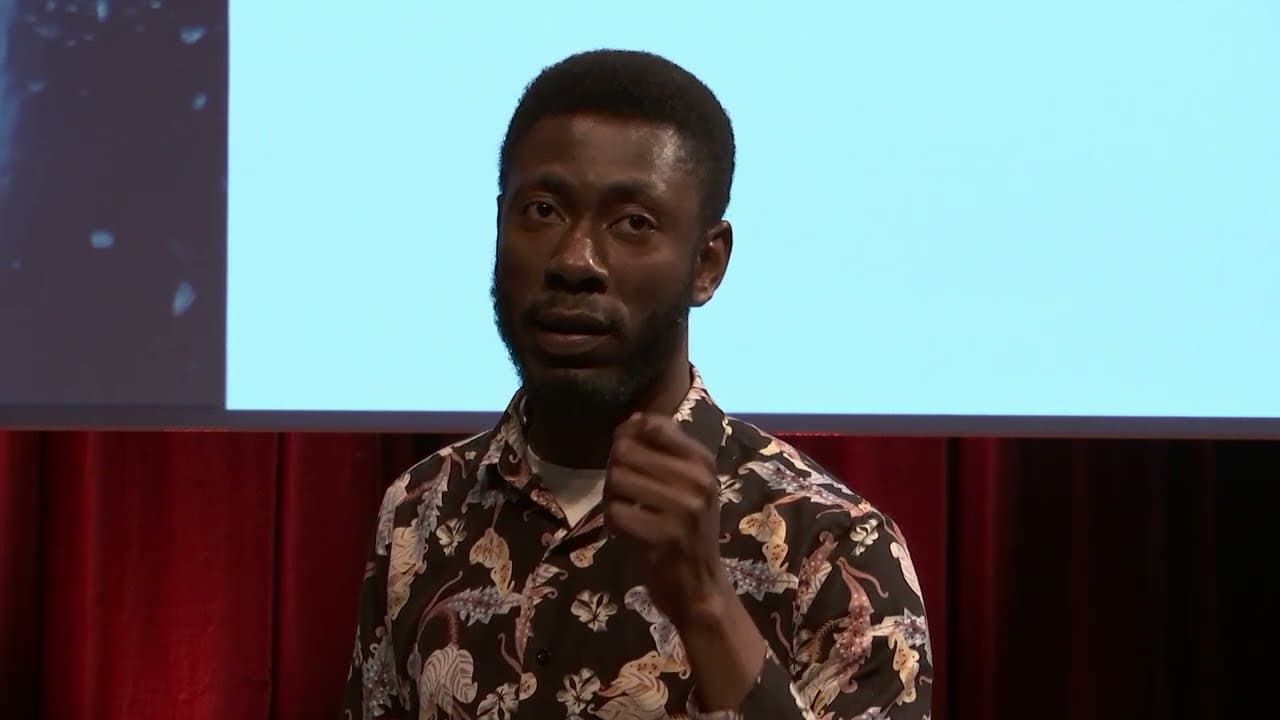
Understanding flood risk associated with climate change | Ayoola Apolola | TEDxAUCollege
TL;DR
Climate change increases flood risk by warming the atmosphere, allowing it to hold more water vapor and produce more intense wet days and extreme precipitation. Ayoola Apolola explains that extreme precipitation could rise by an average of 7% per degree of warming, while one Lagos scenario projects flood exposure increasing by 124%. Read on to understand the human causes, unequal impacts, and urgency behind these risks.
Transcript
good day everyone it's an absolute privilege to be here today to speak to you about the climate crisis and the urgency to address this crisis as as it relates to flood risk I grew up in the city of Lagos Nigeria which is Africa's most popular city and as some of you may know it is widely described sorry Legos is widely described as a fastpaced vibr... Read More
Key Insights
- 🌐 Lagos, Nigeria, experiences flooding due to climate change, highlighting the global nature of the crisis.
- 🛟 The intensity and duration of rainfall seasons have changed, causing anxiety and damage to lives and livelihoods.
- ✳️ The urgency for action arises from projections of increasing extreme precipitation and exposure to flood risk.
- 👳 Flood risk disproportionately affects urban areas and vulnerable populations, exacerbating socio-economic disparities.
- 🥅 Climate change exposes social injustices and emphasizes the need to pursue sustainable development goals.
- 🙈 Climate change should be seen as an opportunity for innovation and solving societal issues, such as insurgency and renewable energy transition.
- ❓ Supporting solutions that reduce CO2 emissions and promote renewable energy is crucial.
Install to Summarize YouTube Videos and Get Transcripts
Explore YouTube Video Summarizer or Get YouTube Transcript Extractor
Questions & Answers
Q: How does climate change increase flood risk?
As the climate warms, the atmosphere can hold more water vapor, creating more intense wet days alongside more dry days. The speaker says extreme precipitation could increase by an average of 7% per degree of warming, increasing the likelihood and severity of flooding.
Q: Why is flooding a recurring problem in Lagos, Nigeria?
Lagos has tropical wet and dry seasons, with roughly six months of persistent rainfall followed by six months of dryness or low rainfall. The speaker also observed shifts in the onset, duration, and intensity of the seasons, while rapid urbanization contributed to the city's recurring floods.
Q: How much has global surface temperature increased?
The speaker states that global surface temperature has increased by 1.2 degrees since the preindustrial era. According to the IPCC projection cited in the talk, warming is locked at 1.5 degrees before 2050 even if emissions are cut by half.
Q: Are humans driving the current climate crisis?
The speaker says humans are driving climate change through fossil-fuel burning and greenhouse-gas emissions. These activities increasingly warm the climate by changing the balance between heat absorbed by Earth and heat reflected into the atmosphere.
Q: How could climate change alter the frequency of extreme rainfall in Lagos?
The speaker's Lagos flood-risk model found that a present-day one-in-100-year rainfall magnitude could become a one-in-20-year event under a business-as-usual climate trajectory. This means extreme rainfall of that magnitude could occur much more frequently.
Q: How could climate change affect the number of people exposed to flooding?
After combining a climate-change trajectory with projected population growth, the speaker found that the population exposed to flooding could increase by 124% under that trajectory. The research also indicated that flooding would be more significant in areas predominantly occupied by the urban poor.
Q: Why does flood risk widen socioeconomic inequality?
Flooding disproportionately affects communities that already face vulnerabilities, including poor sanitation, limited drinking water, malnutrition, and low school enrollment. The speaker says this unequal exposure can widen socioeconomic gaps because vulnerable populations have more existing disadvantages when floods strike.
Q: What did the Pakistan floods reveal about prolonged humanitarian impacts?
Six months after the Pakistan floods, the speaker reports that about 10 million people still lacked access to safe drinking water. Of an estimated 33 million flood victims, about 21 million people, including 9 million schoolchildren, still required humanitarian assistance.
Summary & Key Takeaways
-
The speaker, from Lagos, Nigeria, shares personal experiences of flooding caused by climate change.
-
Studies show that as the climate warms, extreme precipitation and flooding will increase.
-
Flooding will disproportionately affect urban areas and vulnerable populations, widening socio-economic gaps.
Read in Other Languages (beta)
Share This Summary 📚
Summarize YouTube Videos and Get Video Transcripts with 1-Click
Try YouTube Summary with ChatGPT & Claude or YouTube Transcript Generator
Explore More Summaries from TEDx Talks 📚





Summarize YouTube Videos and Get Video Transcripts with 1-Click
Try YouTube Summary with ChatGPT & Claude or YouTube Transcript Generator